The Shoulder-Season Planning Framework
Travel during the late-autumn shoulder season requires a departure from standard vacation planning. As regions like Scotland, Iceland, and Quebec City transition into winter, the variables of daylight, weather, and seasonal closures become the primary drivers of itinerary success. A strategic approach involves auditing your logistical needs before booking, ensuring that your expectations align with the operational realities of the destination. For a comprehensive look at how to structure these assessments, refer to our guide on The November Operational Audit: A Strategic Travel Framework.
The core of this framework is flexibility. Rather than planning a rigid, hour-by-hour schedule, successful shoulder-season travel relies on a modular itinerary. This means identifying primary goals—such as visiting the historic sites of Old Quebec or exploring Iceland’s geothermal spas—while building in buffers for weather-related delays. As noted in our analysis of Strategic November Travel: A Cross-Climate Planning Guide, the ability to pivot when conditions change is the hallmark of a prepared traveler.
Logistics of the Seasonal Shift
Transit logistics during this period demand heightened attention, particularly regarding security and documentation. Whether you are flying into a regional airport in Scotland or navigating international connections to Iceland, the Transportation Security Administration provides essential guidance for streamlining the checkpoint experience. Travelers should be particularly mindful of liquid regulations—especially if planning to bring home local culinary souvenirs like preserves or specialty oils—which must be packed in checked luggage if they exceed 3.4 ounces.
Furthermore, the shift to winter transport often requires more recovery time. If your itinerary involves multiple connections, ensure that you are not relying on tight transfer windows. Winter transport, whether rail, bus, or air, is prone to schedule adjustments due to weather. By treating arrival and departure days as significant logistical events rather than mere transit hurdles, you reduce the stress that often accompanies shoulder-season travel.
Regional Strategies for Late-Autumn Travel
Each destination offers specific advantages if approached with the right strategy. In Quebec City, the focus is on the walkability of the UNESCO World Heritage site. According to Destination Québec cité, the city is a fortified treasure that is best explored by embracing its historic neighborhoods, such as Saint-Roch or the Upper Town. The strategy here is to leverage the city’s compact nature to minimize transit time, allowing for more time in museums or local eateries.
Iceland presents a different logistical set, where the emphasis shifts to environmental awareness and wellness. The official Visit Iceland guide highlights the importance of understanding the region’s unique geography and the accessibility of its geothermal spas. Planning a trip here requires an understanding of daylight cycles; travelers should prioritize outdoor activities during the limited window of daylight and reserve geothermal bathing for the darker, cooler evenings. This creates a natural, restorative rhythm that respects the local climate.
Scotland offers a robust infrastructure for those willing to navigate its seasonal nuances. As outlined by VisitScotland, the key to a successful trip lies in utilizing their comprehensive travel information, which includes guidance on everything from scenic rail journeys to ferry connections. Because the Scottish landscape changes significantly as autumn turns to winter, travelers should rely on official resources to verify the operational status of remote attractions before setting out.
A Practical Checklist for Seasonal Resilience
- Audit Your Transit: Verify all entry documents and security requirements at least 72 hours before departure, as advised by the Transportation Security Administration.
- Build Buffer Days: Include an open day in your weeklong itinerary to account for weather-related disruptions or local holiday closures, as suggested by the VisitScotland travel planning resources.
- Pack for Variability: In regions like Iceland, where weather changes rapidly, prioritize a layering system over heavy, singular items.
- Prioritize Accessibility: When booking, confirm that your accommodation in historic cities like Quebec is accessible and that you have measured for any specific needs, ensuring your base of operations is truly comfortable.
- Research Seasonal Closures: Before finalizing your route, check the official tourism portals for each region to ensure your intended sites are open during your specific travel dates.
Note: This is a research-based guide prepared with AI assistance. No visit or hands-on test was conducted.
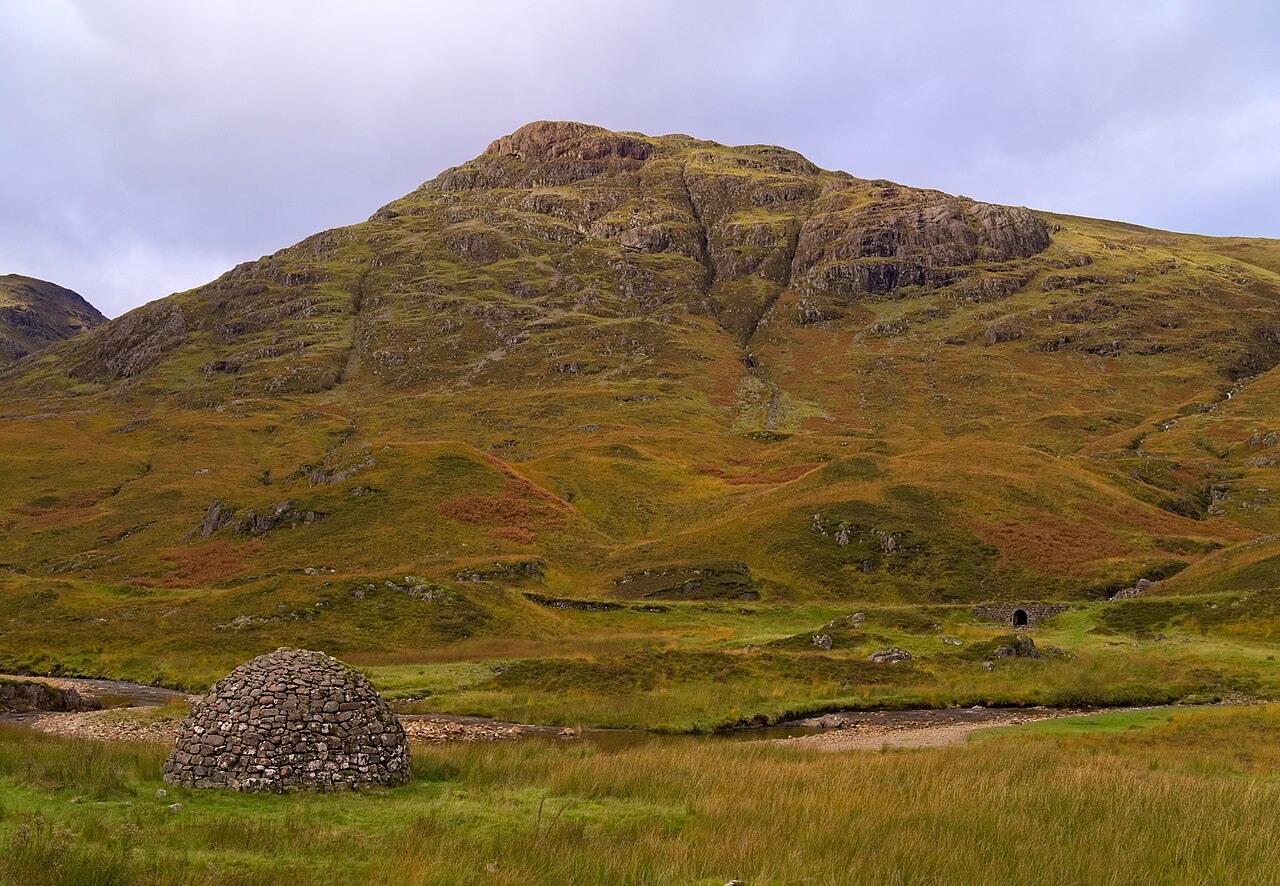
Representative photo: This image illustrates the variable weather and shifting autumnal landscapes typical of shoulder-season travel in regions like Scotland. Photo: Daniel Kraft / Wikimedia Commons · CC BY-SA 3.0. Resized for display. Sources checked November 3, 2026.
Advertisement · From our publishing familyDiscover something new ↗