The November Operational Pivot: Beyond the Calendar
November represents a critical logistical hinge in the travel calendar. As the Northern Hemisphere transitions from late autumn into early winter, the predictability of transit networks and environmental conditions begins to wane. For the strategic traveler, November should not be viewed merely as a continuation of autumn, but as a distinct operational pivot. This period requires a shift in planning philosophy, moving away from the assumption of stability toward a framework of resilience and proactive adaptation. The most effective strategy for November travel involves treating every departure as a potential winter-weather event, even if your destination currently appears temperate. This proactive approach relies on building significant buffers into your itinerary, understanding the specific security requirements of the season, and preparing for the variability of transit geography. By auditing your travel plans now, you can mitigate the risks inherent in this seasonal transition.
Navigating the Security Checkpoint Shift
As the holiday season approaches, the Transportation Security Administration (TSA) experiences shifts in passenger volumes and the types of items moving through checkpoints. November travel often involves transporting seasonal goods, from gifts to specialized cold-weather gear, which complicates the screening process. Understanding these rules before you arrive at the airport is essential to maintaining a smooth transit experience. The fundamental rule remains the 3.4-ounce (100 mL) limit for liquids, aerosols, and gels in carry-on baggage. However, the interpretation of this rule becomes critical during November. Many seasonal items, such as artisanal food preserves, sauces, and even snow globes, are classified as liquids or gels. If an item can be spilled, spread, sprayed, or pumped, and it exceeds 3.4 ounces, it must be placed in checked baggage. Ignoring this can lead to unnecessary delays or the forfeiture of items at the checkpoint. Furthermore, if you are traveling with gifts, the TSA encourages the use of gift bags or boxes with removable lids rather than fully wrapped presents. If an officer needs to inspect a gift, they will be able to do so without destroying the wrapping. For those traveling with medical supplies, remember that you are not required to present medication unless it is in liquid form over 3.4 ounces, in which case you must notify the officer at the start of the screening process. For a deeper analysis of managing these logistical shifts, refer to our guide on Navigating Late-Autumn Transit and Seasonal Journeys.
Environmental Readiness and Adaptive Planning
The transition to winter brings environmental hazards that extend far beyond traditional cold-weather destinations. According to data from the National Weather Service (NWS), winter storms—including snow, sleet, and freezing rain—can paralyze major hubs unexpectedly, even in regions as far south as Atlanta or Dallas. A strategic traveler does not rely on historical averages; instead, they monitor real-time atmospheric conditions. To manage this uncertainty, adopt a “buffer-first” scheduling philosophy. Treat your arrival day as a logistics recovery day rather than a time for critical commitments. If transit delays occur, you are not compounding the stress of a missed meeting or event. Additionally, it is vital to distinguish between weather alerts. A “Winter Storm Watch” alerts the public to the possibility of hazardous weather, usually issued 12 to 48 hours before the event. A “Winter Storm Warning,” however, means the weather is imminent or occurring. Understanding these distinctions allows for better decision-making when travel disruptions appear on the horizon. For those planning travel during this period, ensure your itinerary includes a “rainy-day” or “storm-day” version of your plans. If you are driving, the Ready.gov winter weather guidelines emphasize the necessity of preparing your vehicle with an emergency kit, including jumper cables, warm clothing, and non-perishable snacks, and maintaining a higher fuel level than you would in other seasons. For further insights on how to balance these logistics, see our planning guide on Planning November Travel: A Strategic Seasonal Guide.
Destination-Specific Readiness: The Iceland Case Study
November is a unique time to visit destinations where the seasonal transition is dramatic, such as Iceland. While the country offers experiences like northern lights and geothermal pools, the weather changes rapidly, and seasons often blend into one another. The official Visit Iceland travel guide highlights that the primary challenge for travelers is not just the cold, but the variability of the environment. Packing for such a trip requires a system of layering rather than relying on a single, heavy garment. When planning a trip to a destination in transition, evaluate your itinerary based on the “worst-case” weather scenario. If you cannot safely traverse your route in poor conditions, the itinerary requires adjustment. This is particularly relevant for geothermal wellness trips, where the contrast between the ambient air temperature and the water can be extreme. Proper preparation—such as researching thermal bath etiquette and understanding the limitations of regional transit—is what separates a successful trip from a logistical failure.
Strategic Checklist for November Travel
- Audit Your Transit Corridor: Review your route for potential bottlenecks. If your itinerary involves multiple connections, consider if a single, longer transit leg might be safer than several tight connections that leave no room for weather-related slippage.
- Offline Document Access: Keep copies of your itinerary, emergency contacts, and lodging details available offline. Power outages can affect communication services, and you should not rely on cloud-based access alone.
- Communication Protocol: Know how to receive emergency alerts for your specific destination. Sign up for local warning systems before you depart, and keep a reliable way to monitor weather alerts.
- Packing Smart: Start packing with an empty bag to ensure all pockets and compartments are clear of prohibited items. This is a simple, effective way to reduce the likelihood of bringing prohibited items through a security checkpoint.
Note: This is a research-based guide prepared with AI assistance. No visit or hands-on test was conducted. Always verify current weather conditions and transit regulations with official local authorities before your departure.
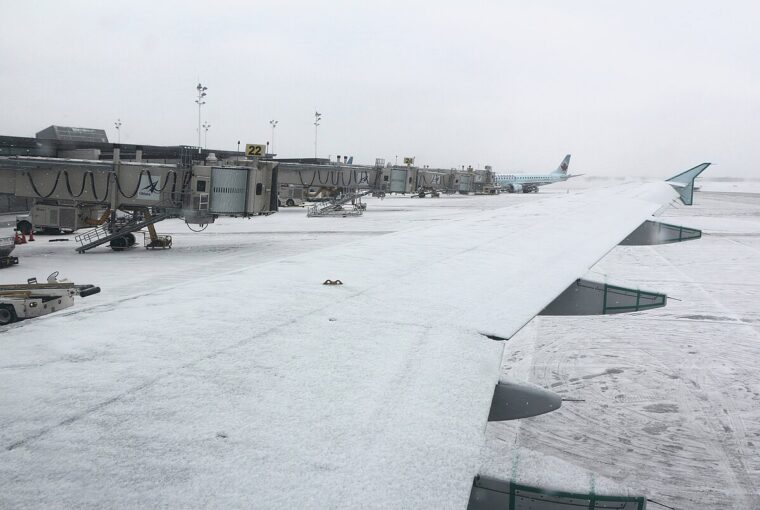
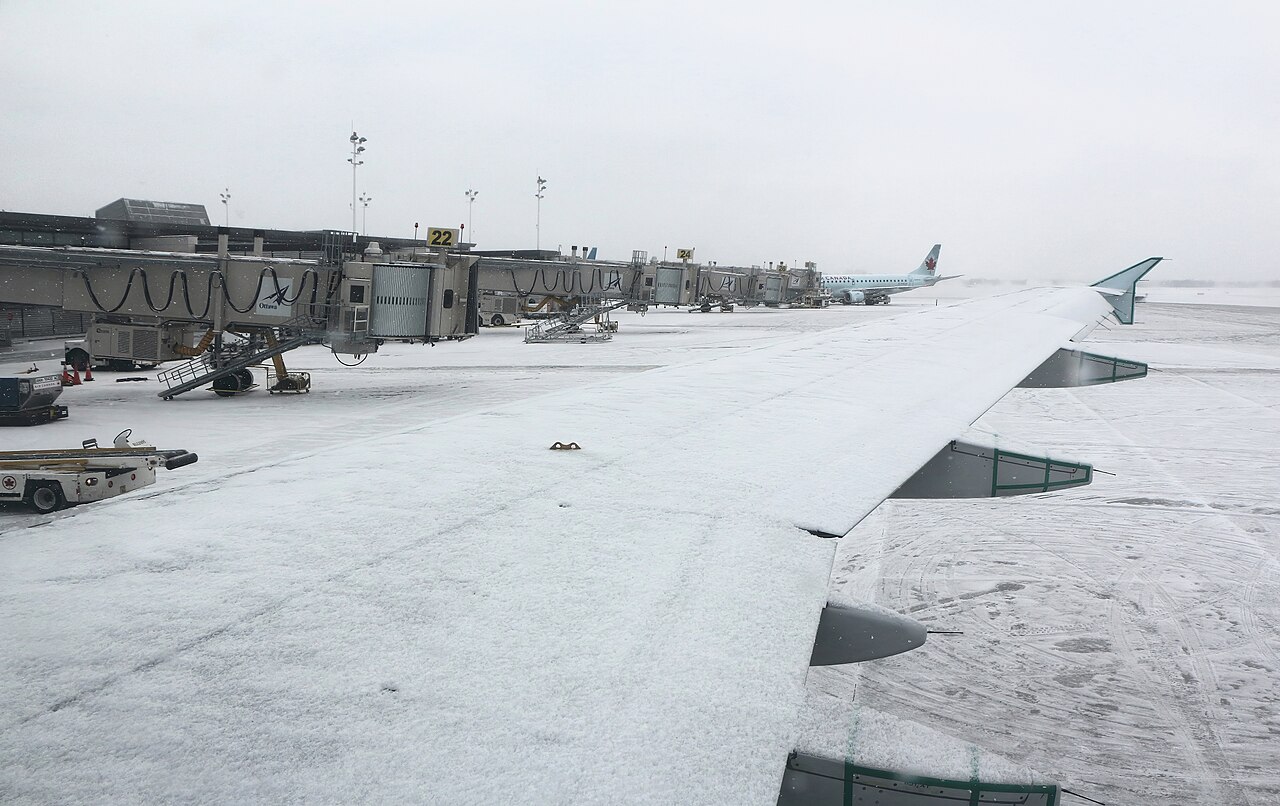
Representative photo illustrating the necessity of environmental readiness and planning for potential winter weather disruptions during seasonal travel. Photo: ImagePerson / Wikimedia Commons · CC BY 4.0. Resized for display. Sources checked October 27, 2026.
Advertisement · From our publishing familyDiscover something new ↗