Note: This is a research-based guide prepared with AI assistance. No visit or hands-on test was conducted.
As the calendar turns toward November, the transition from autumn to winter introduces significant variables for road travelers. Whether traversing mountain passes or navigating regional transit corridors, the late-autumn season demands a proactive shift in how one approaches vehicle preparedness and itinerary planning. Relying on established safety frameworks, travelers can mitigate the risks associated with unpredictable weather and changing road conditions.
The Mechanical Audit: Preparing for Seasonal Shifts
Before departing on a late-autumn excursion, a vehicle must be evaluated against the specific demands of colder, wetter, or potentially icy conditions. According to guidance from Ready.gov, vehicle maintenance is not merely about performance but about survival in the event of an emergency. A mechanic should inspect the vehicle specifically for winter-readiness, focusing on the battery and ignition system, which are prone to failure in dropping temperatures. Antifreeze levels, the heater and defroster, and the exhaust system require verification to ensure the vehicle can maintain passenger safety during potential delays.
Beyond internal systems, tires are the primary interface with the road. Travelers should ensure their tires have sufficient tread or install required chains or studs if the route traverses areas with winter weather mandates. Furthermore, maintaining a full gas tank is a recommended strategy to prevent the fuel line from freezing and to ensure sufficient fuel in case of unexpected traffic delays or evacuations.
The Emergency Kit Checklist
An emergency supply kit should be a permanent fixture in the vehicle during this season. Based on federal safety recommendations, ensure the following items are accessible:
- Traction Aids: Cat litter or sand to assist with tire traction on slippery surfaces.
- Visibility Tools: Flares or a reflective triangle to alert other drivers if stranded.
- Mechanical Essentials: Jumper cables and an ice scraper.
- Environmental Protection: A heavy blanket to retain body heat.
- Communication: A dedicated car cell phone charger.
- Navigation: A physical map, as digital signals may be unreliable in remote or storm-affected areas.
Navigating Changing Road Conditions
Late-autumn driving often involves encountering wet, slick, or icy roads. A critical behavioral adjustment for this season is the management of vehicle speed and technology. As noted by Ready.gov, cruise control should be disabled when driving on slippery, icy, or snowy roads. If a vehicle loses traction while cruise control is engaged, the system may inadvertently accelerate to maintain the set speed, causing wheels to spin faster and increasing the likelihood of a skid. On wet roads, high speeds with cruise control can also lead to hydroplaning.
Travelers must also exercise extreme caution regarding water on the roadway. Six inches of water can cause a vehicle to lose control or stall, while a foot of water is sufficient to float many cars. Even after floodwaters have receded, the structural integrity of the road may be compromised; avoid driving through areas where the roadway stability is in question. For further insights on managing specific vehicle types, see our guide on planning an electric-vehicle road trip with resilience.
Strategic Itinerary Planning for Shoulder Season
The late-autumn period is a shoulder season that requires a flexible approach to scheduling. When planning a route, it is essential to build in extra time—often referred to as a “buffer”—to account for slower travel speeds and potential weather-related delays. Research on regional travel, such as the frameworks provided by the Utah Office of Tourism, emphasizes that while destinations are accessible, the journey itself requires careful consideration of weather patterns and local conditions.
Travelers should adopt a “basecamp” strategy, choosing a central location and limiting daily transit distances. This approach reduces the stress of long-distance driving in potentially deteriorating weather and allows for quicker responses to changing forecasts. Before finalizing any route, consult local weather alerts and road condition reports. If the weather forecast indicates hazardous conditions, the most strategic decision is to postpone travel, as driving in bad weather should only be done if absolutely necessary. For those focusing on scenic routes, remember that the priority is always safety over speed; review our tips on how the scenic route needs a safety plan to ensure your itinerary remains robust against environmental variables.
Sources
- Car Safety | Ready.gov (Checked: 2026-10-25)
- Utah Trip Planner – Plan Your Trip – Utah Office of Tourism (Checked: 2026-10-25)
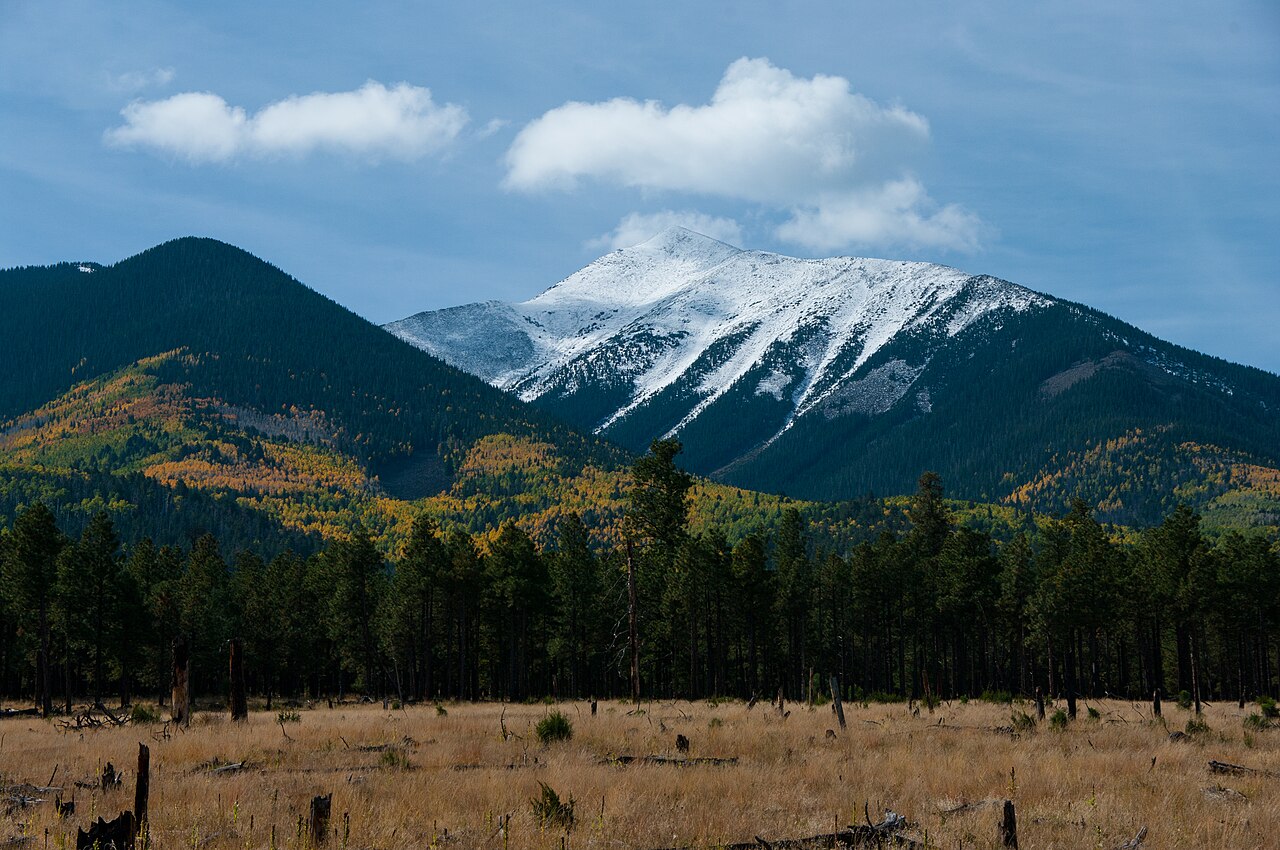
Representative photo. The snowy mountain peak highlights the volatile weather conditions travelers should prepare for during late-autumn road trips. Photo: Forest Service Photography / Wikimedia Commons · Public domain. Resized for display. Sources checked October 24, 2026.
Advertisement · From our publishing familyDiscover something new ↗