The Seasonal Pivot in Quebec City
Late October in Quebec City represents a distinct, often overlooked pivot in the travel calendar. As the vibrant, high-traffic foliage season of early autumn transitions into the crisp, preparatory chill of winter, the city undergoes a subtle transformation. For the discerning traveler, this period offers a rare opportunity to observe the destination not as a bustling tourist hub, but as a living, breathing community. However, this transition requires a recalibration of expectations. Much like the planning required for northern latitudes as discussed in the VisitScotland travel planning guide, a successful trip during this window demands a mindset shift: you are not chasing the peak of a season, but rather observing a destination as it settles into a quieter, more authentic rhythm.
As of late October, the city is shifting its focus. The outdoor-centric activities that define the summer months are beginning to yield to the indoor, cultural, and culinary offerings that make the city a year-round destination. To plan effectively, one must move beyond the generic “must-see” lists and instead look at the city through the lens of local geography and operational reality.
Mapping Neighborhoods for a Late-Autumn Pace
Choosing a home base is the most critical decision in shaping your experience, particularly in a city with such distinct districts. As outlined in our guide on How to Choose the Right Neighborhood for a First Visit, selecting a neighborhood that aligns with your travel goals is essential. According to the Quebec City Tourism official portal, the city is defined by its history, but it is also a modern, functional capital with diverse districts that cater to different travel styles.
Old Quebec: The Historical Anchor
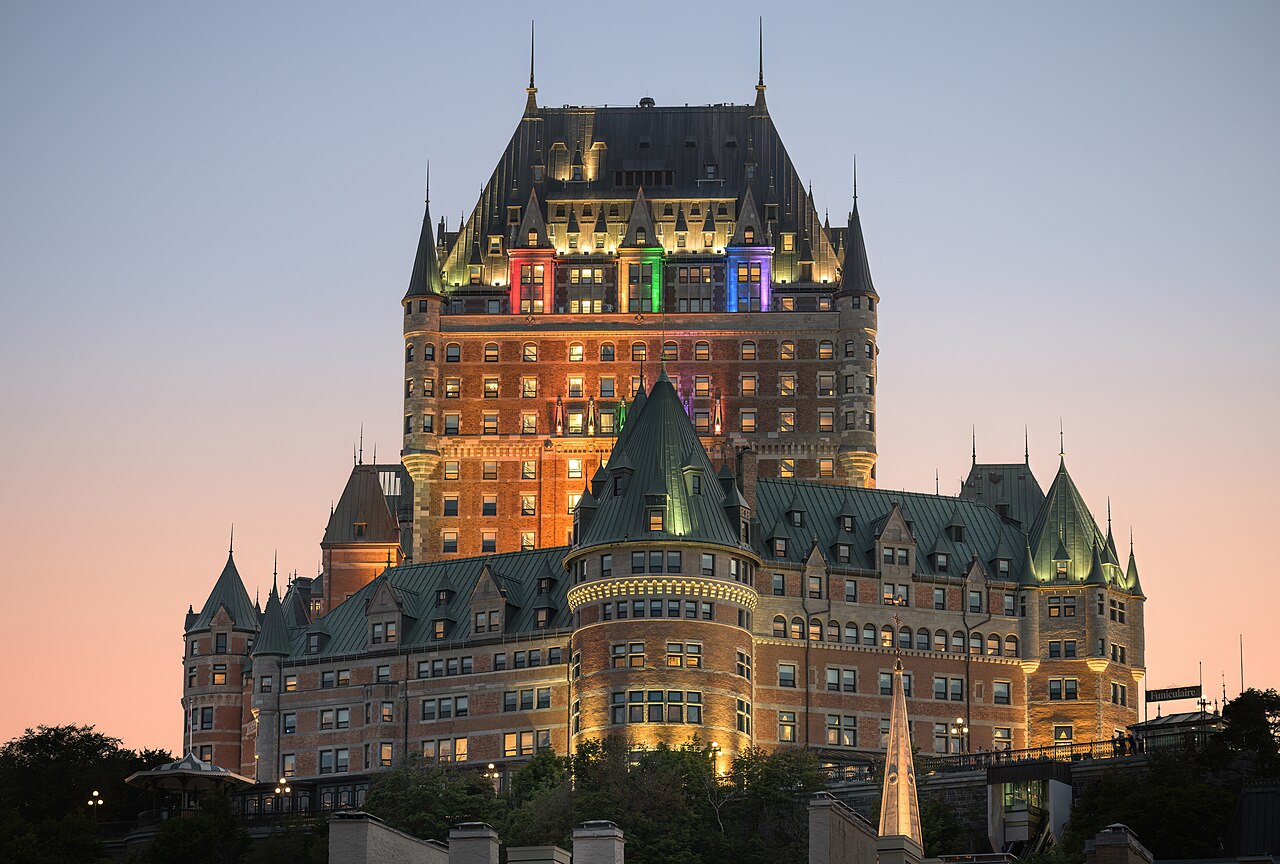
As the only fortified city north of Mexico and a UNESCO World Heritage treasure, Old Quebec is the natural starting point. Visiting in late October allows you to appreciate the 400 years of history without the peak-summer congestion. It is the architectural anchor of any trip, offering a highly walkable environment that is ideal for cooler temperatures.
Saint-Roch: The Modern Lower Town
For travelers seeking a modern, energetic atmosphere, Saint-Roch is the standout choice. Often compared to districts like Williamsburg in Brooklyn, this area has transformed from a working-class hub into a center for food, technology, and nightlife. It is the “Lower Town” choice for those who prefer innovation over antiquity.
Montcalm: The Cultural Heart
If you prioritize art and culture, Montcalm is the crown jewel of the Upper Town. It balances bourgeois elegance with bohemian sensibilities, making it an ideal base for epicureans and those interested in the city’s contemporary cultural scene, including the Musée national des beaux-arts du Québec.
Limoilou and Saint-Sauveur: The Authentic Districts
For those seeking a genuine community spirit, Limoilou and Saint-Sauveur offer a glimpse into the life of young families and entrepreneurs. Limoilou, with its tree-lined streets, is a welcoming district that feels like a neighborhood in the midst of a resurgence. Saint-Sauveur, or “Saint-Só” as locals call it, provides an authentic, festive, and colorful backdrop for travelers who want to step off the beaten path.
Operational Realities of the Shoulder Season
Planning a trip during the shoulder season requires a clear understanding of local operational schedules. As noted in The Art of Leaving Room in an Itinerary, leaving space for spontaneity is essential, but it must be balanced with practical knowledge of when attractions are open. The official tourism resources note that village shops and roadside stands on the Île d’Orléans are at their most active from mid-June to mid-October. By late October, these operations often reduce hours or close for the season.
Failing to verify these dates can lead to disappointment, whereas incorporating this reality into your plan allows you to pivot toward the city’s robust year-round offerings. The geography of the city, with its steep-sloped streets and distinct Upper and Lower Town levels, means that transit and walking times can be impacted by the weather. A rainy day in late October is not a disruption; it is a predictable condition that should be accounted for in your itinerary.
A Framework for Late-October Logistics
To ensure your trip remains flexible and enjoyable, utilize this research-based planning checklist:
- Audit Seasonal Access: Before finalizing your daily plans, specifically check the operating status of regional sites like the Île d’Orléans. Do not assume summer hours apply.
- Prioritize Transit Geography: Use the city’s layout to your advantage. Plan your days by neighborhood to reduce back-and-forth travel, which can be exhausting in cooling temperatures.
- Layer for the Climate: The transition from the river-side chill to the shelter of the fortified walls requires a modular approach to clothing. Pack for variable conditions.
- Anchor with Indoor Culture: When the weather turns, ensure your itinerary is anchored by significant cultural institutions like the Musée national des beaux-arts du Québec or the Musée de la civilisation. These are not merely “rainy day” backups; they are essential components of the city’s identity.
- Respect the Resident Rhythm: As you explore neighborhoods like Saint-Sauveur or Limoilou, remember that these are residential districts. Engage with local businesses with the awareness that you are visiting a community, not just a site.
Note: This is a research-based guide prepared with AI assistance and no visit or hands-on test was conducted.
Representative photo: The iconic Château Frontenac serves as an architectural anchor for travelers exploring the historic, walkable streets of Old Quebec during the quieter autumn shoulder season. Photo: Wilfredor / Wikimedia Commons · CC0. Resized for display. Sources checked October 23, 2026.