Note: This is a research-based guide prepared with AI assistance. No visit or hands-on test was conducted.
November often presents a unique paradox for the cultural traveler. It is frequently marketed as a quiet, shoulder-season period where crowds thin and local institutions become more accessible. However, operationally, this month represents a period of transition. Museums, particularly major international institutions, often utilize the pre-holiday lull to perform essential maintenance, update exhibition spaces, or adjust staffing models. Approaching a museum visit during this time requires more than a simple ticket purchase; it requires a proactive operational audit to ensure the institution is fully accessible and that your intended experience is viable.
The Pre-Departure Operational Audit
The most common failure in museum planning is assuming that a famous institution operates on a static, unchanging schedule. In reality, large galleries are dynamic environments. For instance, the National Gallery in London explicitly notes that it is currently undertaking vital building work, which necessitates the closure of certain rooms and the relocation of specific paintings to protect them. Similarly, the Louvre in Paris maintains a schedule of room closures due to ongoing renovations, which can change on a daily basis.
Before you finalize your travel dates, you must conduct a targeted operational audit of your destination’s primary cultural sites. Do not rely on travel guides published even six months prior. Instead, visit the official “Plan Your Visit” or “Visitor Information” pages of the museum’s website. Look specifically for notices regarding:
- Room Closures: Are the galleries housing your primary interests currently accessible?
- Temporary Exhibition Schedules: Does the exhibition you intend to see end before or during your visit?
- Special Notices: Check for one-off alerts, such as the National Gallery’s notice for November 17, where the east wing is scheduled to close early at 5:00 p.m.
As discussed in Mastering Museum Logistics: An Autumn Planning Guide, failing to verify these details can turn a planned cultural highlight into a logistical disappointment. If you are traveling to see a specific work, check the website’s floorplan or contact the visitor services department directly to confirm its location.
Navigating Entry and Security Logistics
Once you have confirmed the museum is operational, the next phase of your audit should focus on the transition from the city street to the gallery floor. Security protocols have become increasingly standardized but remain highly specific. For example, the National Gallery in London utilizes walk-through metal detectors and enforces strict bag size limits (56 x 25 x 45 cm), with wheeled luggage and suitcases prohibited. The Louvre, while offering multiple entry points like the Pyramid, Carrousel, and Porte des Lions, requires that visitors with online tickets use specific queues, while groups and members have dedicated access points.
The strategic traveler treats entry as a critical path item. If you have not booked a time-slotted ticket, you may find yourself in a queue that significantly impacts your daily itinerary. Even for institutions that offer free general admission, booking a time-stamped ticket is often recommended to ensure fast-track entry and to receive updates regarding closures or capacity issues. When planning your route, treat the arrival time as a hard deadline, similar to a flight departure, to account for security screening wait times.
Enhancing the Experience Through Strategic Planning
After securing entry, the final layer of your audit involves optimizing the time spent inside. Many travelers underestimate the physical and cognitive load of a large museum. Consulting frameworks like The November Museum Strategy: A Planning Framework can help you decide whether to structure your visit around a single major collection or a broader, more flexible walk-through.
Consider the following operational checklist for your visit:
- Accessibility Requirements: If you require assistance, check for specific facility availability. For example, the National Gallery provides Changing Places toilet facilities on the ground floor of the Sainsbury Wing and the RCCL, but they require a radar key, which the staff can provide. Always inquire about these requirements before arriving at the entrance.
- Digital and Audio Aids: Determine if the museum offers free audio guides or app-based tours. The National Gallery offers a free audio guide covering over 50 of the nation’s favorite paintings, which can be a valuable tool for self-guided exploration.
- Family and Group Logistics: If traveling with children or in a group, verify the museum’s policy on strollers (prams) and food. Some galleries, like the Louvre, allow prams but may have restrictions on their size in lifts, or offer loaner equipment. Never assume you can consume your own food in public spaces; most major museums have strict policies regarding where food can be consumed to protect the collection.
By treating the museum visit as a logistical project rather than a passive leisure activity, you protect your time and ensure that the cultural experience remains the focus of your trip, rather than the administration of it.
Sources
- Plan your visit | Visiting | National Gallery, London. https://www.nationalgallery.org.uk/visiting (Checked: 2026-11-07)
- Visit – Everything you need to know before visiting the museum | Louvre. https://www.louvre.fr/en/visit (Checked: 2026-11-07)
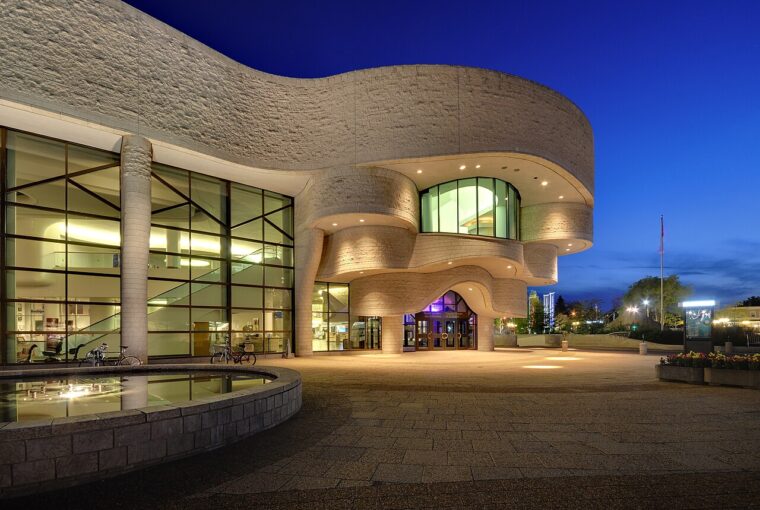
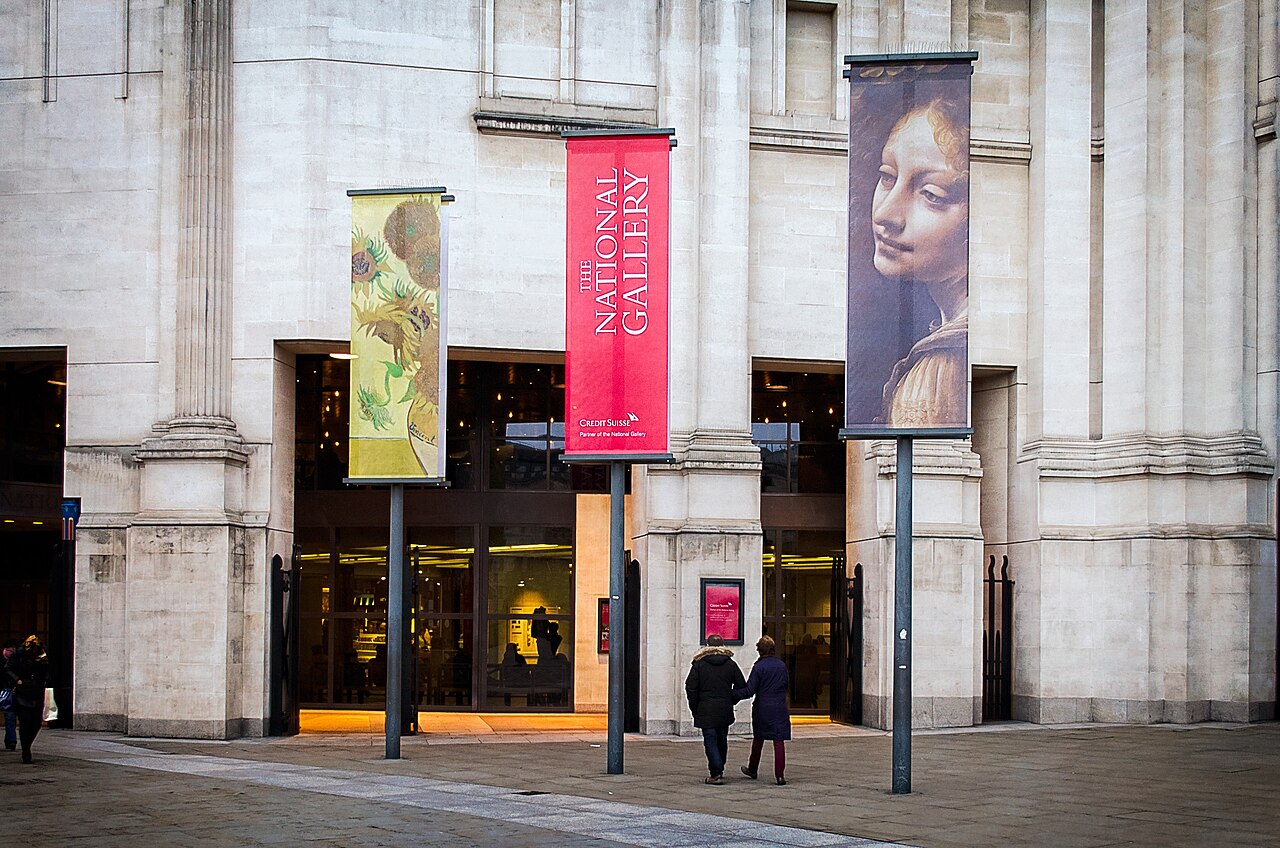
Representative photo showing the exterior of a major cultural institution, highlighting the importance of verifying operational status and entry logistics before arrival. Photo: Garry Knight from London, England / Wikimedia Commons · CC BY 2.0. Resized for display. Sources checked November 6, 2026.
Advertisement · From our publishing familyDiscover something new ↗