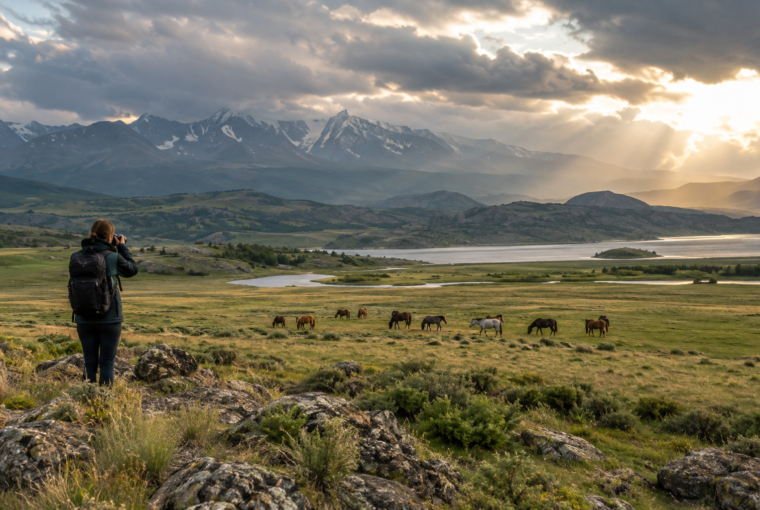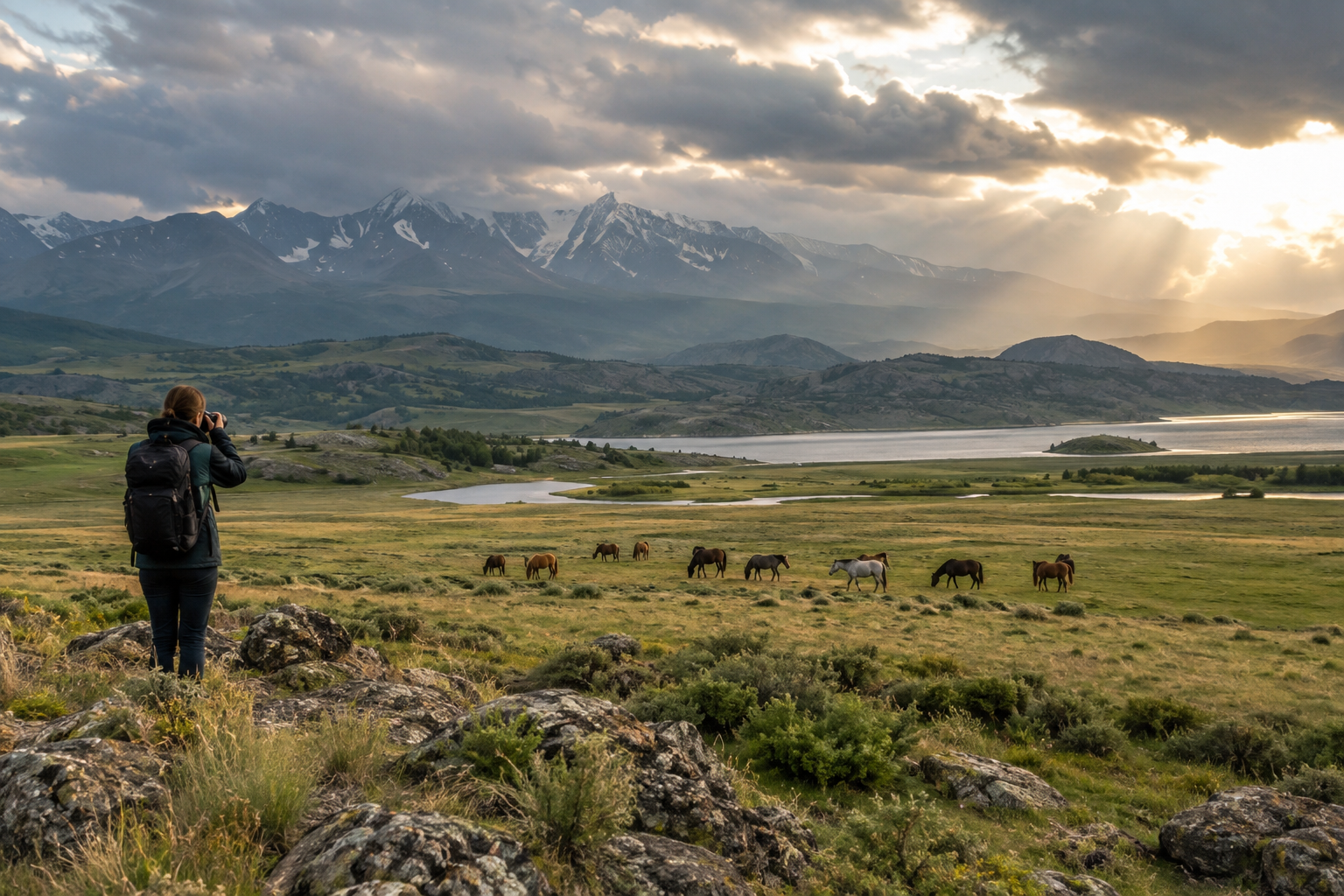
A wildlife image is successful only if the encounter leaves the subject free to behave naturally. Distance, patience and knowledge of the habitat matter more than a dramatic close approach.
Plan with the experience in mind
Use appropriate optics, follow ranger guidance and learn signs of stress before entering the field. Never use food, playback or physical pressure to create behavior, and keep escape routes open.
What to notice along the way
Include habitat to tell a richer story and lower the camera when conditions call for it. Site-specific rules always take priority, so review current guidance from the responsible land manager.
Leave room for the journey
Use this framework as a starting point rather than a checklist. Weather, energy, access and local life may reshape the day, and the best plan leaves enough margin to respond thoughtfully.
Before you go
Opening hours, transport, entry requirements, prices and local conditions can change. Confirm essential details through current official sources, keep reservations and alternatives accessible, and follow guidance from the people responsible for the place you are visiting.