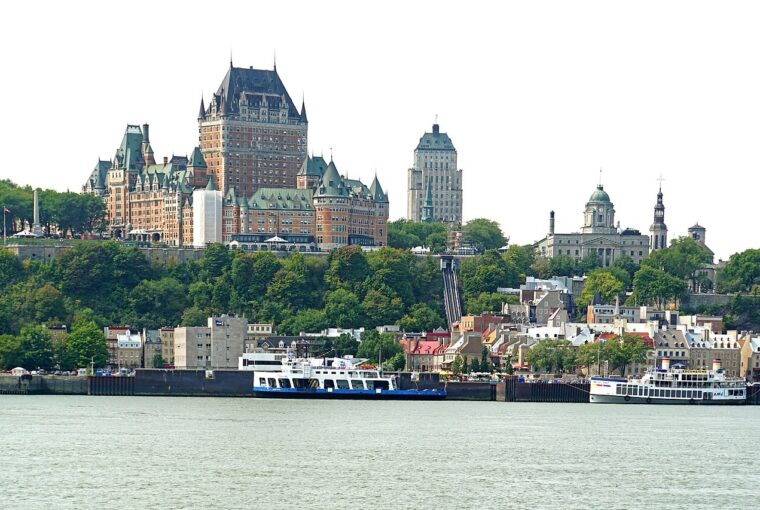
Québec City is compact enough for a rewarding short stay, but its hills and the division between Upper and Lower Town make route planning worthwhile. A three- or four-day visit leaves room for historic streets, a museum and meals beyond the busiest visitor corridors.
Pick a base by the route to the door
Staying in or near Old Québec puts historic sights close at hand. That convenience still depends on steps, slopes, cobbled surfaces and the hotel’s entrance. Ask where a taxi can stop, whether there is an elevator and how luggage reaches the room. An attractive heritage building may have access limitations that are not obvious in room photographs.
A base outside the oldest streets can offer a different neighborhood experience. Compare the actual transit connection and evening return rather than relying only on straight-line distance to the walls.
Group Upper and Lower Town thoughtfully
Spend one day exploring a manageable section of Upper Town, with time for the views around Terrasse Dufferin and a chosen historic visit. Give Lower Town and the Petit-Champlain area a separate block, adding a museum or riverside pause instead of repeatedly climbing between levels.
Check current funicular and transport arrangements if they are part of your access plan. Do not assume that a scenic walking route is usable for every member of the group. Québec City’s official accessibility resources are a useful starting point for identifying suitable businesses and transport.
Leave a day for a different perspective
After the main historic areas, consider a neighborhood food outing or an attraction beyond the core. Decide whether it justifies a car, a tour or public transport for that specific day. An excursion should add a distinct experience, not simply another long transfer to a photograph you have seen online.
If an outdoor visit is important, keep the order of days flexible. Weather, events and seasonal operating hours can make an indoor museum day a better choice at short notice.
Food and language
Begin conversations with a courteous greeting and ask about the language you need rather than assuming. Restaurant style ranges from casual cafés to longer set-menu meals. Read the booking conditions, state dietary needs early and allow enough time for the format you choose.
Look beyond a single famous dish. A bakery breakfast, regional ingredient or neighborhood restaurant can reveal more than trying to complete a checklist of foods. Ask staff a specific question about what is seasonal or characteristic of the kitchen.
Summer and winter are different trips
Summer invites longer walking days, while winter requires a plan for cold, snow, ice and shorter daylight. Confirm footwear and access conditions for the activities you intend to book. Do not carry a summer walking estimate unchanged into a winter itinerary.
Winter can be a rewarding choice for travelers who want that season, but extra indoor pauses and simpler transitions are practical essentials. For mobility needs, ask about snow clearing, drop-off points and the route between the entrance and the attraction.
Budget for convenience you will use
Compare total room rates, parking, transfers, meals and admissions for your actual dates. A well-chosen central base may reduce transport costs, while a larger or more accessible room may justify a different location. Keep one half-day uncommitted so the city has room to surprise you.
Advertisement · From our publishing familyDiscover something new ↗