Note: This research-based guide was prepared with AI assistance. No site visit or hands-on test was conducted. All recommendations are derived from official tourism data and travel planning resources.
Late October presents a complex planning scenario for travelers aiming for the Swiss Alps. As the region transitions from the autumn hiking season to the onset of early winter, the window for predictable weather narrows significantly. For a 48-hour escape, this period requires a shift in strategy: moving from a destination-first approach to a conditions-first framework. By leveraging the logistical infrastructure of regions like Obwalden and Mount Pilatus, travelers can create a robust, two-day itinerary that remains resilient even as the alpine environment begins to shift.
The Shoulder-Season Planning Framework
The primary challenge of late-October travel in Switzerland is the variability of mountain weather. According to Switzerland Tourism’s official planning resources, successful mountain travel requires comprehensive preparation, particularly regarding transport and altitude-specific climate conditions. Unlike summer, when high-altitude trails are reliably accessible, late October necessitates a focus on lower-elevation activities and flexible transit options.
When building your 48-hour plan, it is essential to internalize the concept that weather windows are not guarantees. In the Alps, conditions at the base—such as in the lakeside towns of Obwalden—may differ drastically from the summit conditions on Mount Pilatus. A strategic traveler acknowledges this by building a dual-track itinerary: one that prioritizes mountain vistas when clear, and a secondary, low-altitude cultural plan when cloud cover or early frost limits visibility.
Strategic Logistics: Why Obwalden and Pilatus
Choosing a base is the most critical decision for a short, two-day trip. The Obwalden region, which sits at the foot of the Pilatus massif, offers a distinct advantage: connectivity. The Swiss transport network allows for rapid transitions between the lakeshore and the mountainside. By selecting a base with direct access to regional rail or cogwheel train systems, you minimize the time spent in transit and maximize your time on-site.
Furthermore, as we have noted in our guide to winter transport needs, travel during the shoulder season requires more recovery time. Even if the calendar still reads October, the infrastructure may already be operating on reduced or seasonal schedules. Before finalizing your booking, verify the specific operating dates for mountain railways and funiculars, as these are often adjusted in the weeks leading up to the full winter season.
A Strategic 48-Hour Checklist for the Alps
- Day 1: Base Orientation and Lower-Altitude Exploration. Spend your first day settling into the Obwalden region. Use this time to observe local weather patterns and confirm the status of mountain excursions for the following day. Focus on lakeside walks or cultural visits within the valley.
- Day 2: The Mountain Excursion. If conditions permit, prioritize your ascent to Mount Pilatus early in the morning. High-altitude light is often most stable before midday. Always have a pre-selected alternative for the afternoon, such as a museum visit or a scenic train route, should the mountain visibility deteriorate.
- Logistics Check. Consult the official Swiss snow and weather reports regularly. Do not assume that a clear morning indicates a clear afternoon.
- Transit Buffer. Plan your arrival and departure times with significant padding. Shoulder-season transit can be impacted by early-season weather events, even if the primary mountain routes remain open.
Refining Your Approach to Mountain Travel
The philosophy of the 48-hour escape is to achieve depth rather than breadth. In a mountain environment, this means accepting that the landscape dictates the schedule. As outlined in the VisitScotland travel planning methodology, which emphasizes practical guidance and seasonal inspiration, the most successful trips are those where the traveler is prepared for the reality of the season rather than an idealized version of it.
For the traveler, this means packing for the transition. You will likely encounter a range of temperatures from the valley floor to the summit. A multi-layered clothing system is not merely a suggestion; it is a requirement for a comfortable 48 hours. By focusing on the Obwalden and Pilatus corridor, you position yourself in a region that is well-equipped to handle this seasonal pivot, offering both the infrastructure for rapid ascent and the comfort of well-connected valley towns.
Ultimately, the value of a late-October trip to the Swiss Alps lies in the quietude. With the summer crowds dispersed and the winter ski season yet to fully materialize, you are afforded a rare opportunity to observe the mountains in a state of profound transition. By planning with flexibility and respect for the environment, you can secure a meaningful experience that avoids the pitfalls of over-ambitious itineraries.
Sources
- Switzerland Tourism: Travel Planning and Preparation, checked 2026-10-25.
- VisitScotland: Plan Your Trip to Scotland, checked 2026-10-25 (referenced for planning methodology).
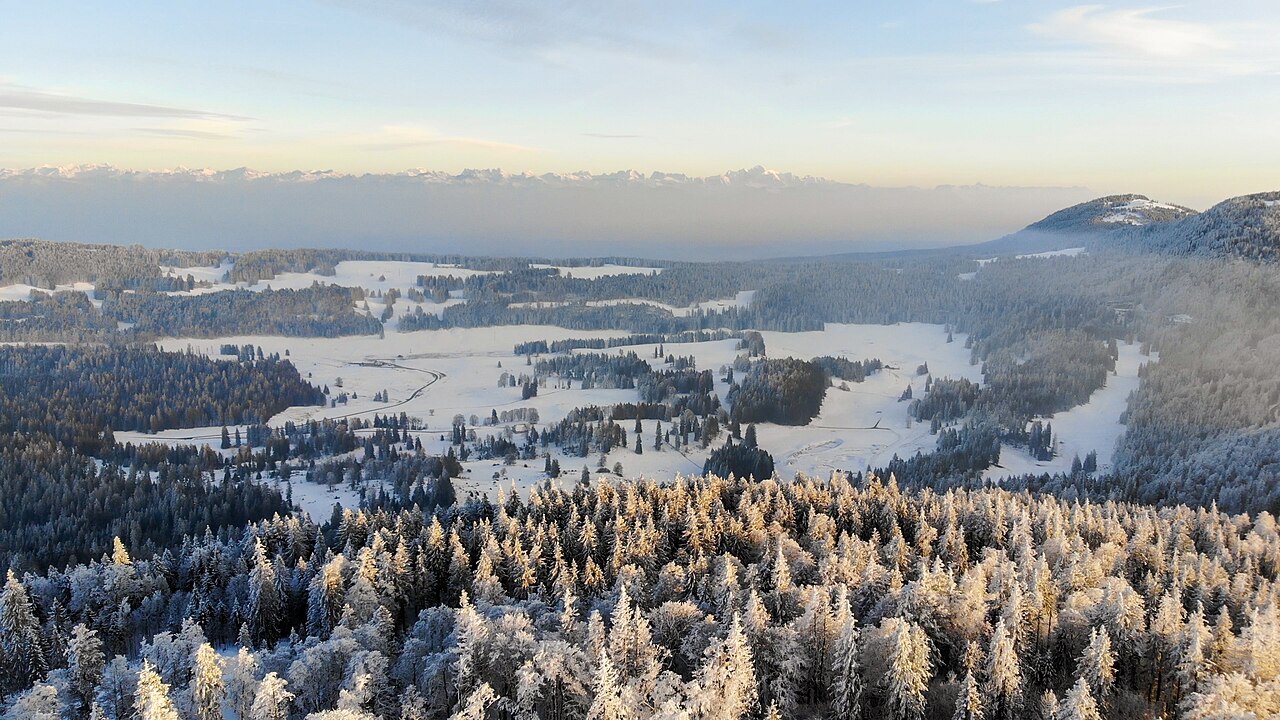
Representative photo illustrating the dramatic, variable alpine landscape and seasonal transition typical of the Swiss mountain regions. Photo: Giles Laurent / Wikimedia Commons · CC BY-SA 4.0. Resized for display. Sources checked October 24, 2026.