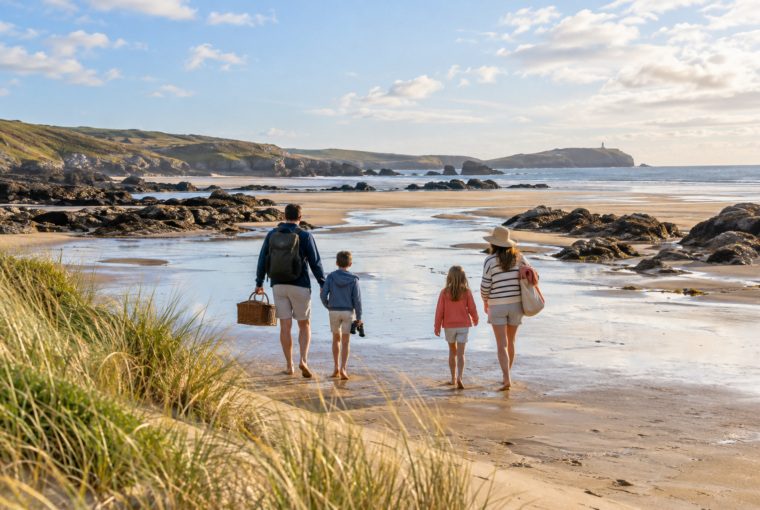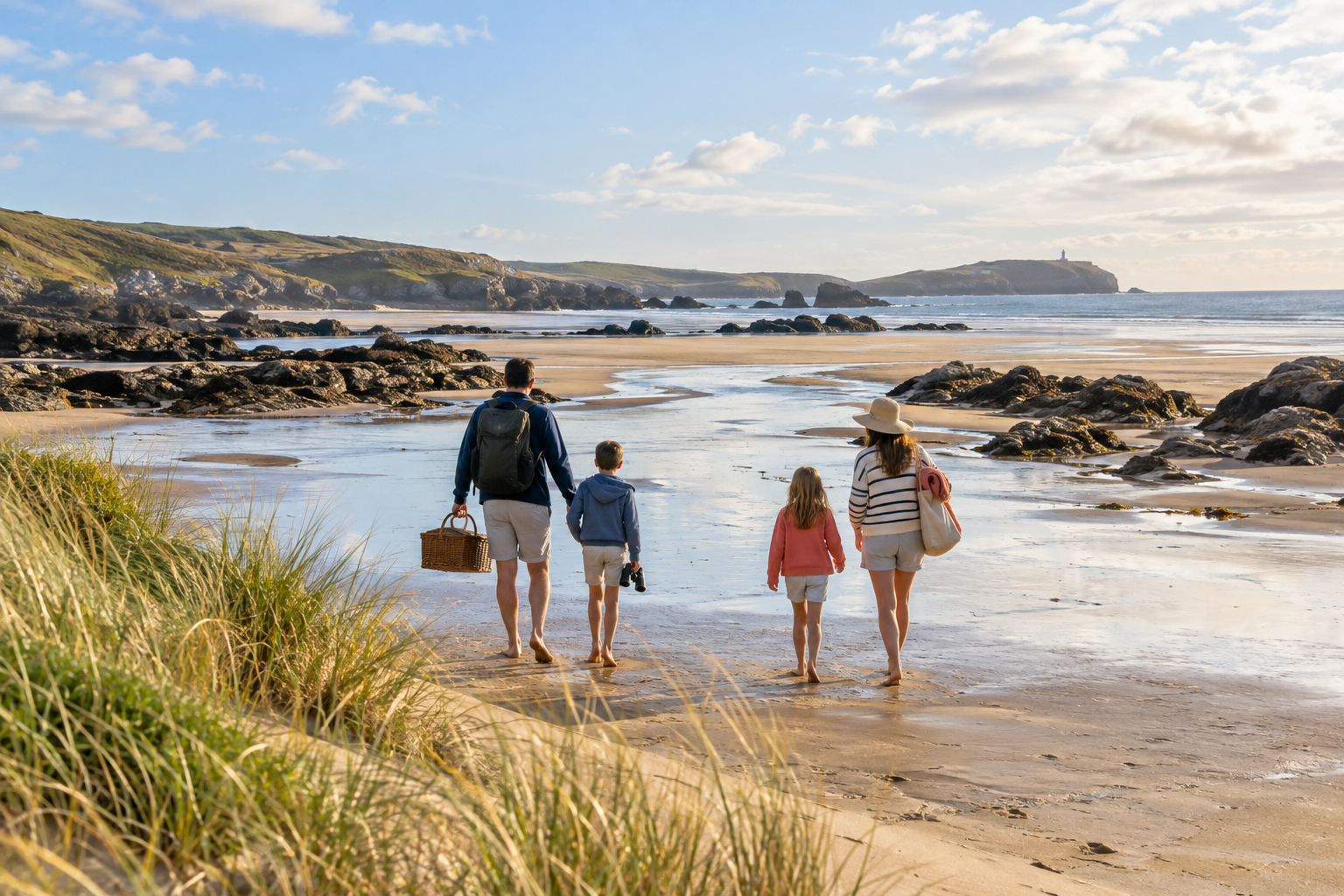
Children often bring immediate curiosity to wildlife, which makes the adult example especially important. Quiet observation and respect for distance show that the animal’s needs come before the photograph.
Plan with the experience in mind
Explain the rules before reaching the viewing area and give children binoculars or a simple spotting task. Choose reputable guides, stay on marked routes and never use food or sound to attract an animal.
What to notice along the way
Let a brief sighting be enough and talk about the habitat as well as the species. Follow all site-specific instructions and leave if the animal changes behavior because of people.
Leave room for the journey
Use this framework as a starting point rather than a checklist. Weather, energy, access and local life may reshape the day, and the best plan leaves enough margin to respond thoughtfully.
Before you go
Opening hours, transport, entry requirements, prices and local conditions can change. Confirm essential details through current official sources, keep reservations and alternatives accessible, and follow guidance from the people responsible for the place you are visiting.