Kyoto becomes easier to understand when you stop treating it as a list of temples spread across a map. Historic districts, gardens, craft traditions and everyday neighborhoods reward time in one area. For a first visit, allow three to five days and make each day geographically coherent.
Choose a base that fits your routes
A hotel near Kyoto Station can simplify arrival and regional rail connections. A central base around the Shijo area may suit evenings and a mix of city outings. A stay in the eastern districts can offer atmosphere and walking access to particular sites, but check luggage access, evening noise and the exact route home.
Traditional accommodation varies. If floor seating, bedding, stairs, shared bathing or a set dinner time affects your stay, ask before booking. Choose a room on the basis of confirmed facilities rather than an image of what a Kyoto stay is supposed to look like.
Three useful day groupings
Give an eastern Kyoto day to a limited stretch of Higashiyama, one or two historic sites and time for tea or a craft shop. Make Arashiyama a separate outing, leaving room beyond the most photographed approach. Use a central day for a market visit and a museum, garden or cultural experience that interests you.
These groupings are suggestions, not a promise that every venue is open or close together. Confirm the final route and opening schedule with the city’s official guide and the individual venue. It is better to understand one garden than to spend the afternoon crossing the city to complete a checklist.
Use transport and luggage services deliberately
Kyoto’s tourism guidance encourages use of trains and subways and provides luggage-service information. Compare those options with the bus route for the actual day. Store large bags before sightseeing so narrow streets and busy vehicles are easier for everyone to use.
For access needs, ask about the entire approach: station lifts, gradients, gravel, steps, entrances and available seating. Historic architecture often creates constraints that a map cannot show. Plan an alternative with comparable interest if a required route cannot be confirmed.
Culture without intrusion
Gion is a working neighborhood, not an open-air portrait studio. Observe local signs and do not stop or follow geiko or maiko for photographs. At temples, shrines and private businesses, permission can differ by room or courtyard. Put the camera away when requested and keep paths clear.
A craft demonstration, museum or scheduled performance can provide more context than trying to photograph someone going to work. Read our international etiquette guide before visiting sacred and residential areas.
Food and timing
Balance reserved meals with simpler neighborhood options. Explain dietary requirements before committing to a fixed menu, and ask how ordering works at a small counter. Japan generally does not follow a tipping custom. Courtesy, punctuality and following the venue’s guidance are more useful than importing a familiar payment routine.
Seasons and trade-offs
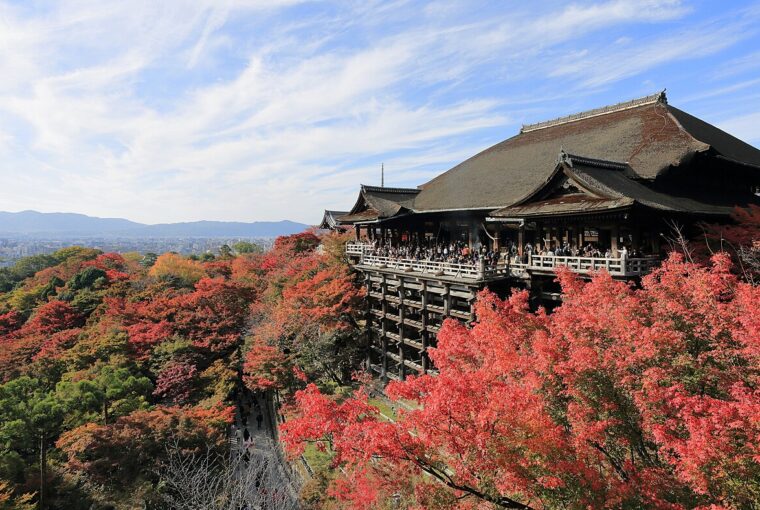
Spring blossoms and autumn foliage attract heavy interest, with timing that changes each year. Do not book a whole trip around an assumed peak date without accepting that uncertainty. A quieter season may offer better availability but different weather, daylight and garden character. Check seasonal information close to travel.
Budget by actual room quotes, meals, local transport and a few paid experiences. Preserve one unscheduled half-day for weather or a return visit. That margin often gives Kyoto more depth than adding another distant attraction.
Advertisement · From our publishing familyDiscover something new ↗