Note: This research-based guide was prepared with AI assistance. No site visits, hands-on tests, or interviews were conducted. All recommendations are derived from current public documentation and travel planning resources as of November 8, 2026.
As of November 8, 2026, the travel landscape is in a distinct state of flux. We are currently navigating the “shoulder-season” transition, where the operational demands of airport security intersect with the variable environmental conditions of late-autumn destinations. Whether you are traveling for a final autumn excursion or preparing for early winter, the success of your trip depends on a proactive logistical framework.
The Airport Security Pivot: A Logistics Framework
The transition into the holiday season brings increased passenger volume and specific security screening challenges. According to the Transportation Security Administration (TSA), the most effective way to reduce stress at the checkpoint is to treat the pre-departure phase as an operational audit.
Strategic Packing Checklist:
- The Gift Audit: If you are traveling with gifts, utilize gift bags rather than wrapped boxes. TSA officers may need to inspect items, and gift bags allow for efficient access without destroying the presentation.
- The Liquid Rule: Remember the 3.4-ounce (100 mL) rule for all carry-on liquids, aerosols, and gels. If you can spill, spray, or spread it, and it exceeds 3.4 ounces, it must be checked. This is particularly relevant for travelers bringing artisanal food items or seasonal beverages.
- Medical Logistics: If you are traveling with medication, you are not required to present it unless it is in liquid form. However, if you have medically necessary liquids exceeding 3.4 ounces, inform the officer at the start of the screening process. For those with medical devices like insulin pumps or glucose monitors, notify the officer before the screening begins; you are not required to remove these devices.
- The “Empty Bag” Method: Start your packing process with a completely empty carry-on bag to ensure no prohibited items from previous trips remain in hidden compartments.
For a deeper dive into managing these transitions, refer to our previous analysis on Mastering the November Seasonal Pivot: A Transit and Safety Guide.
Destination Transitions: Scotland and Quebec City
November requires a shift in how we perceive destination readiness. In regions like Scotland and Quebec City, the calendar does not dictate the weather; conditions can shift rapidly from late autumn to early winter. Planning for these destinations requires a “condition-first” approach rather than a “date-first” approach.
In Quebec City, the transition involves moving from the remnants of autumn foliage to the onset of early-winter snow. The official tourism guidance emphasizes that the city is a four-season destination, but the activities change significantly between mid-November and late November. Travelers should verify the status of outdoor attractions, as some may close or shift to winter operations during this window.
Similarly, VisitScotland highlights the importance of understanding Scotland’s weather reality. The variability of the Scottish climate means that “weather windows” are not guarantees. A successful itinerary in November requires the flexibility to pivot between indoor cultural experiences—such as visiting museums or exploring historic sites—and outdoor activities, depending on the daily forecast.
Seasonal Planning Framework:
- Verify Seasonal Closures: Before finalizing your itinerary, check the operational status of your primary attractions. Many sites in historic cities or rural regions may reduce hours or close entirely as they transition to winter schedules.
- Build a “Rainy-Day” Version: Always have an alternative, indoor-focused itinerary ready. If your primary plan involves hiking or outdoor sightseeing, ensure you have a list of museums, galleries, or cultural centers that can serve as a viable substitute.
- The Flexibility Buffer: Treat your travel days as “real” days. Do not over-schedule your arrival or departure dates, as weather-related transit delays are more common during this transitional month.
For more on the ethics and logistics of traveling during this time, see our guide on Navigating Late-Autumn Travel: Logistics and Ethics.
The Operational Integration: Building a Resilient Itinerary
The ultimate goal of a November travel plan is to reduce the friction between your transit experience and your destination experience. This requires a consolidated approach to your documentation and gear.
Operational Checklist for the November Traveler:
- Document Management: Keep all critical travel documents—boarding passes, hotel confirmations, and identification—available in both digital and physical formats. Offline access is essential in regions where connectivity may be intermittent.
- The “Open Day” Strategy: If you are planning a weeklong trip, designate at least one “open day” in your itinerary. This day should not have pre-booked activities, allowing you to absorb delays or pivot to a different experience if weather or transit issues arise.
- Layering Systems: Regardless of your destination, the November transition requires a robust layering system. Pack clothing that can handle both the mild temperatures of a city afternoon and the potential drop in temperature after dark.
- Customs Awareness: If you are traveling internationally, review customs regulations regarding what you can bring back. Food and souvenir restrictions can change, and being prepared prevents delays at the border.
By treating your November travel as a series of interconnected logistical steps—from the security checkpoint to the weather-dependent destination—you can maintain control over your experience, regardless of the seasonal variables.
Sources
- Travel Tips | Transportation Security Administration (Checked: 2026-11-08)
- Plan your trip to Scotland | VisitScotland (Checked: 2026-11-08)
- Québec City Tourism Official Website (Checked: 2026-11-08)
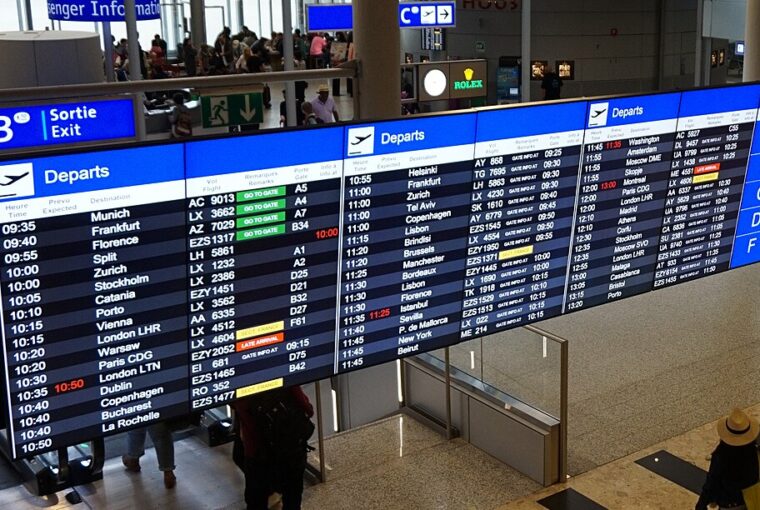
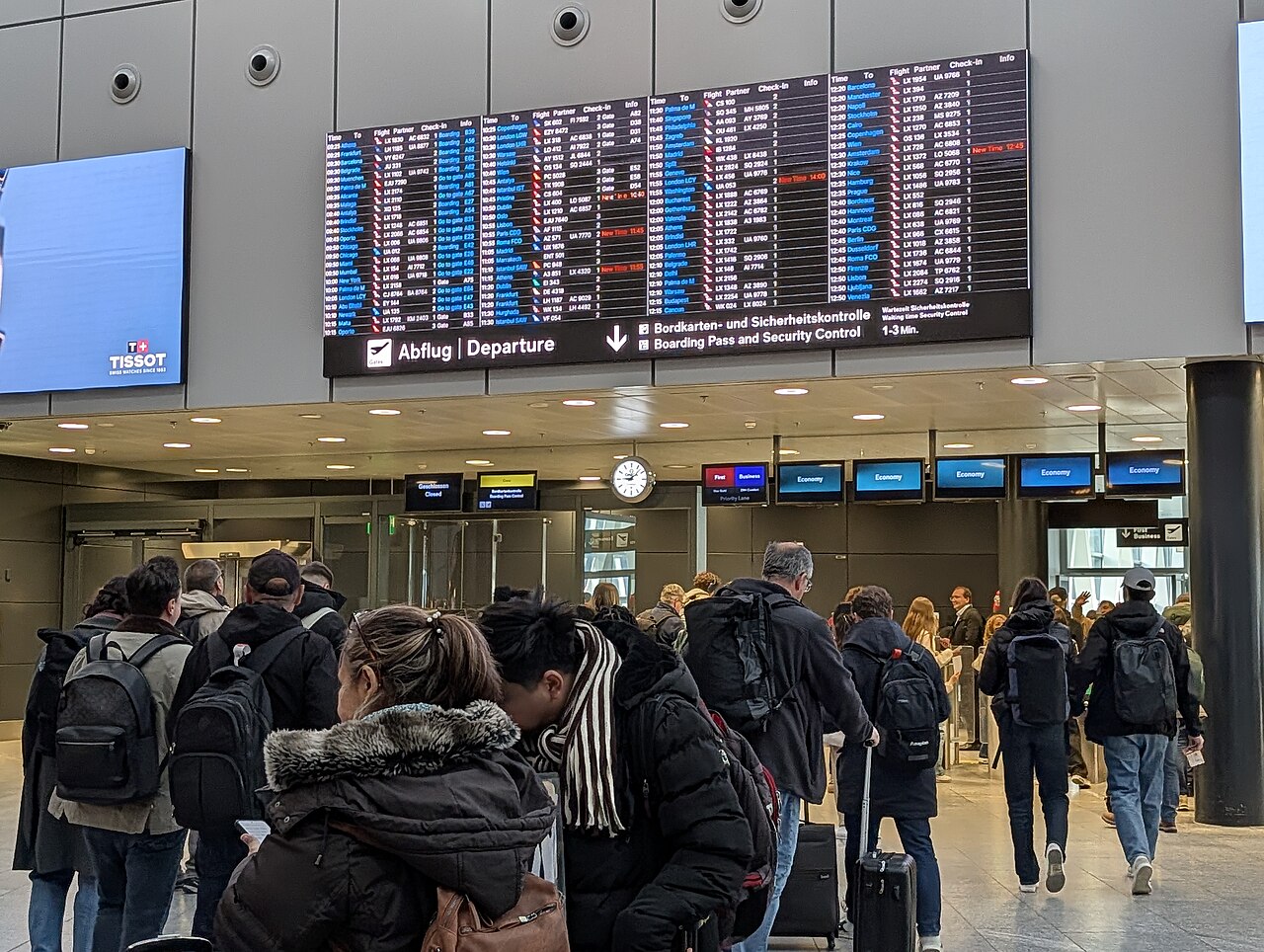
Representative photo showing a busy airport terminal, highlighting the logistical environment travelers must navigate during the transition into the holiday season. Photo: Stimpy / Wikimedia Commons · CC BY-SA 4.0. Resized for display. Sources checked November 8, 2026.
Advertisement · From our publishing familyDiscover something new ↗