Note: This is a research-based guide prepared with AI assistance and no visit or hands-on test was conducted.
November represents a critical pivot point in the outdoor travel calendar. As temperatures drop and daylight hours contract, the logistical requirements for wilderness travel shift from simple recreation to a more complex exercise in risk management and preparation. For the discerning traveler, a successful November adventure is not defined by the destination alone, but by the efficiency of the transit-to-trail transition. This audit focuses on the operational intersection of airport security protocols, wilderness ethics, and the realities of late-autumn conditions.
The Transit-to-Trail Security Audit
The journey to a remote trailhead often begins in the sterile environment of an airport terminal. Reconciling the specialized gear required for outdoor activity with the rigid constraints of aviation security is the first logistical hurdle. According to the Transportation Security Administration (TSA) (checked 2026-11-08), the most effective way to ease the screening process is to begin packing with an empty bag. This practice ensures that no prohibited items, such as residue-covered camping equipment or forgotten multi-tools, inadvertently trigger delays.
For outdoor travelers, the “liquids, aerosols, and gels” rule is frequently the primary friction point. Specialized sunscreens, insect repellents, or hygiene kits often exceed the 3.4-ounce (100 mL) threshold. The TSA guidelines are explicit: if you can spill it, spread it, spray it, pump it, or pour it, it must be checked if it exceeds 3.4 ounces. Travelers with medical necessities, such as insulin or essential liquid medications, are exempt from the standard quantity limits provided they notify the officer at the start of the screening process. For those navigating these transitions, our Navigating the November Transit-to-Trail Pivot guide offers a framework for managing these requirements without compromising your itinerary.
If your itinerary involves specialized medical equipment or devices such as insulin pumps or glucose monitors, it is advisable to inform officers of their location before screening begins. Utilizing the TSA Cares program (855-787-2227) is a recommended step for travelers who anticipate needing additional assistance, allowing for a more predictable arrival process. By treating the transit phase as an operational component of your trip rather than a passive delay, you preserve the mental bandwidth required for the upcoming outdoor phase.
Ethical Field Operations and Wildlife Stewardship
Once you have transitioned from the terminal to the trail, the focus shifts to environmental stewardship. November’s shorter days and potentially volatile weather conditions amplify the impact of human presence on the landscape. The Leave No Trace Center for Outdoor Ethics (checked 2026-11-08) provides a foundational framework for minimizing this impact. Principle 1, “Plan Ahead & Prepare,” is particularly essential in November. Because weather windows are not guarantees, as discussed in our Strategic November Outdoor Planning: A Safety Framework, your ability to adapt to changing conditions is a direct reflection of your pre-trip research.
Wildlife observation is a common goal for autumn travelers, but it carries inherent responsibilities. The National Park Service (NPS) (checked 2026-11-08) emphasizes that animals in national parks are wild and should be observed from a distance. Harassing, touching, or feeding wildlife is strictly prohibited and dangerous for both the visitor and the animal. In November, as animals prepare for winter, they are particularly sensitive to human interference. A responsible wildlife strategy involves:
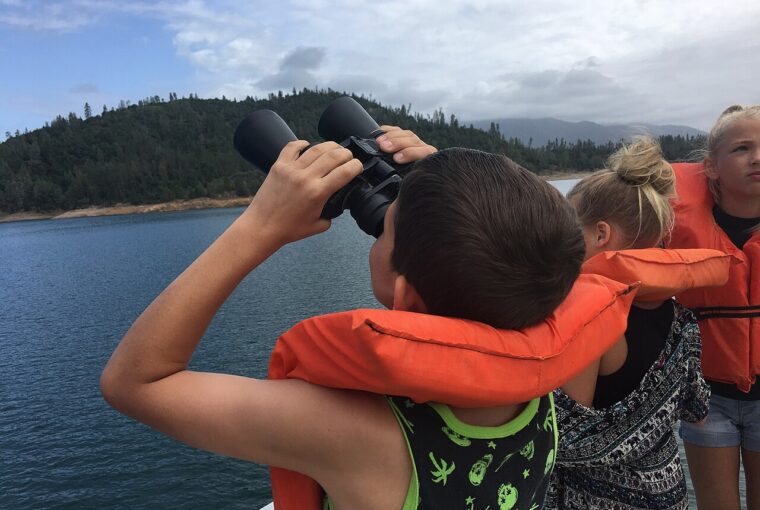
- Distance Maintenance: Use binoculars or telephoto lenses rather than attempting to approach animals for a closer view.
- Food Security: Never feed wildlife. Ensure all food and waste are stored securely to prevent animals from accessing human supplies, which can alter their natural behavior.
- Behavioral Monitoring: If an animal changes its behavior because of your presence, you are too close. Back away slowly and quietly.
Operational Resilience in Shoulder-Season Travel
The final component of a successful November outdoor trip is the physical management of your equipment and the creation of a resilient itinerary. When deciding whether to rent or bring equipment, consider the duration of your stay. For short trips, renting locally can reduce the logistical burden of transporting bulky gear through the airport, minimizing the risk of damage or loss. However, for specialized gear that requires a specific fit or function, bringing your own is often safer, provided it meets airline and security regulations.
It is also critical to build a “rainy-day” or “snow-day” version of your itinerary. In the shoulder season, weather is the primary variable that can invalidate a rigid plan. By incorporating flexibility into your schedule, you ensure that a shift in conditions does not translate into a failed trip. Instead of chasing every stop on a pre-planned route, focus on a basecamp strategy that allows you to explore the local environment according to the conditions of the day. This approach, supported by careful transit planning and a commitment to ethical field practices, ensures that your November adventure remains both safe and sustainable.
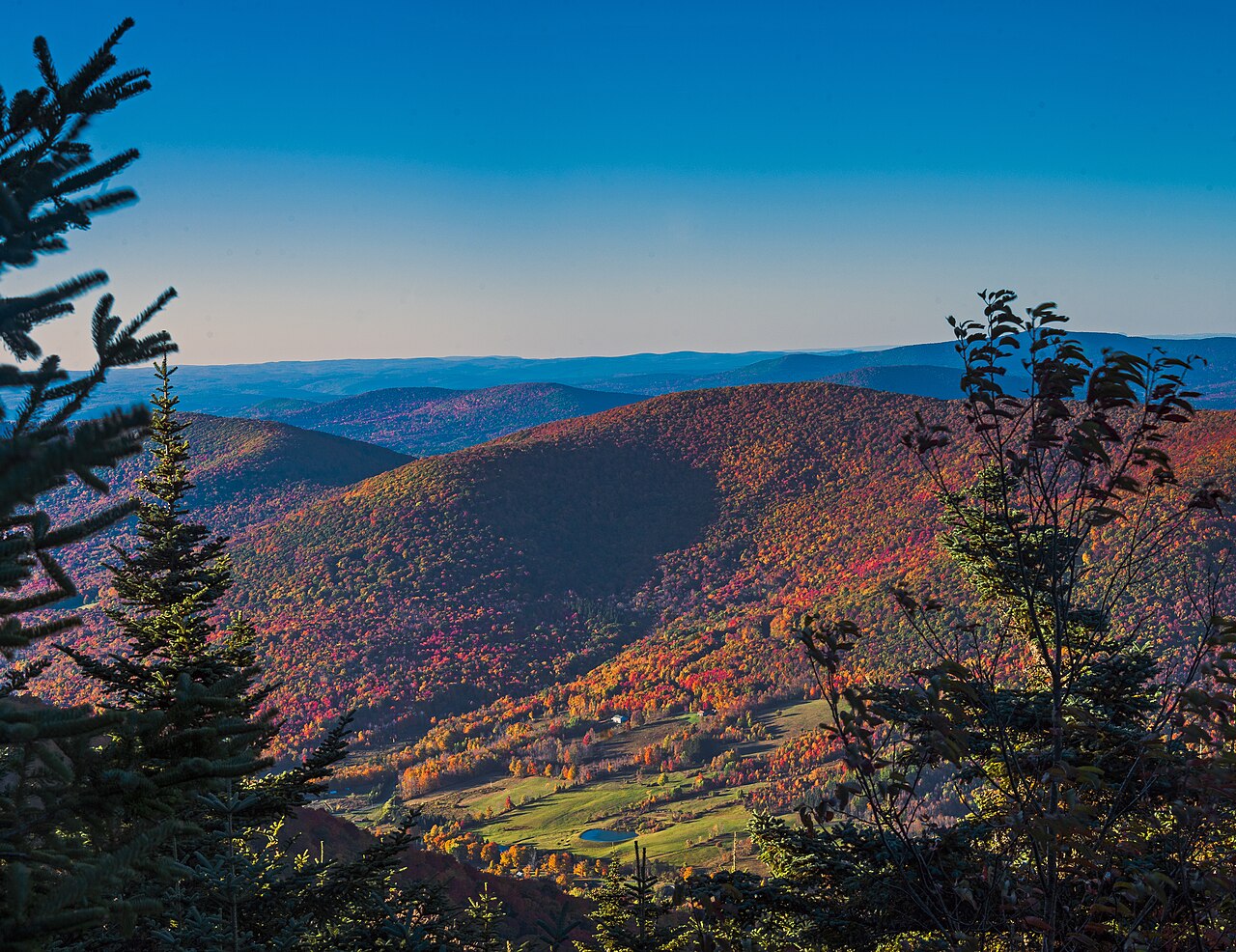
Representative photo. This image captures the shoulder-season landscape that necessitates the careful planning and environmental stewardship described in the article. Photo: Daniel Case / Wikimedia Commons · CC BY-SA 3.0. Resized for display. Sources checked November 7, 2026.
Advertisement · From our publishing familyDiscover something new ↗