Note: This is a research-based guide prepared with AI assistance. No site visits or hands-on tests were conducted for this article.
As we move into November, the travel landscape shifts from the predictable warmth of early autumn to the volatile conditions of late-year transit. For the sophisticated traveler, this period—often characterized by shorter days, unpredictable weather, and the onset of holiday-adjacent crowds—demands a dual-focus strategy. Success lies in mastering the logistics of departure and the ethics of arrival. Whether your journey involves navigating a major airport hub or exploring a wilderness trail, the principles of preparation remain the same: mitigate risk, respect local conditions, and maintain a flexible itinerary.
Navigating the Airport Transition
The first hurdle of any November trip is the airport. With travel volumes fluctuating, efficiency is not just a preference but a necessity. The Transportation Security Administration (TSA) emphasizes that preparation begins long before you reach the checkpoint. According to the TSA Travel Tips page (checked October 31, 2026), the most effective way to streamline the screening process is to start with an “empty bag” approach. By packing with an empty bag, you reduce the likelihood of leaving prohibited items in forgotten pockets or compartments, which is a common source of checkpoint delays.
For those traveling with specific needs, such as medication or medical devices, clarity is key. You are not required to present medication to a TSA officer unless it is in liquid form and exceeds 3.4 ounces. However, if you are carrying medically necessary liquids, you must declare them at the start of the screening process. For travelers with insulin pumps or glucose monitors, it is vital to inform the officer of the device’s location before screening begins. If you are anxious about the process, remember that resources like the TSA Cares helpline (855-787-2227) are available to provide support 72 hours prior to your trip. As discussed in our previous analysis on November seasonal travel strategy, the “hidden” time costs of airport security are often underestimated; treat the airport as a destination in itself, requiring as much planning as your final arrival.
Ethical Outdoor Stewardship in November
Once you reach your destination, the focus must pivot toward the environment. November is a critical time for wildlife and natural landscapes. As animals prepare for winter, human presence can inadvertently increase their stress levels or disrupt critical foraging patterns. The Leave No Trace (LNT) 7 Principles offer a robust framework for minimizing your impact (checked October 31, 2026).
Principle 1, “Plan Ahead and Prepare,” is particularly relevant during the shoulder season. Weather windows in November are notoriously unreliable; a sunny morning can turn into a freezing, wet afternoon. Before heading out, check not only the weather forecast but also local regulations and trail conditions. If the ground is saturated, sticking to durable surfaces is paramount to prevent erosion. Furthermore, when observing wildlife, the National Park Service emphasizes that visitors have a responsibility to keep their distance. According to the NPS Watching Wildlife guidance (checked October 31, 2026), the rule is simple: no touching, no feeding, and no harassing. In late autumn, animals are often more vulnerable, making this distance even more important for their survival.
A Unified Planning Framework for Late Autumn
Integrating these logistical and ethical considerations requires a proactive mindset. Many travelers find that the “transit-to-trail” pivot is the most difficult aspect of November travel. For a deeper look at managing this transition, our guide on late-autumn outdoor transit strategy provides additional context on balancing gear and timing.
To ensure your trip remains both safe and respectful, consider this integrated checklist:
- Transit Readiness: Verify your identification (REAL ID or passport) before leaving home. If you are traveling with gifts, use gift bags rather than wrapped boxes to facilitate easier inspection if needed.
- Outdoor Readiness: Set a strict turnaround time for all outdoor excursions. Because daylight hours are significantly reduced in November, the “golden hour” for hiking is shorter than you anticipate.
- Wildlife Awareness: If you are planning to photograph or observe wildlife, do so from a distance that does not cause the animal to change its behavior. If an animal stops eating or feeding to watch you, you are too close.
- Equipment Check: Whether you are renting or bringing your own gear, ensure it is appropriate for cold-weather transitions. Wet, cold feet can turn a manageable hike into a safety hazard.
By treating your November itinerary as a series of interconnected logistical and ethical decisions, you can enjoy the unique beauty of the late-autumn landscape without compromising safety or environmental integrity. Preparation is the bridge between a stressful trip and a restorative one.
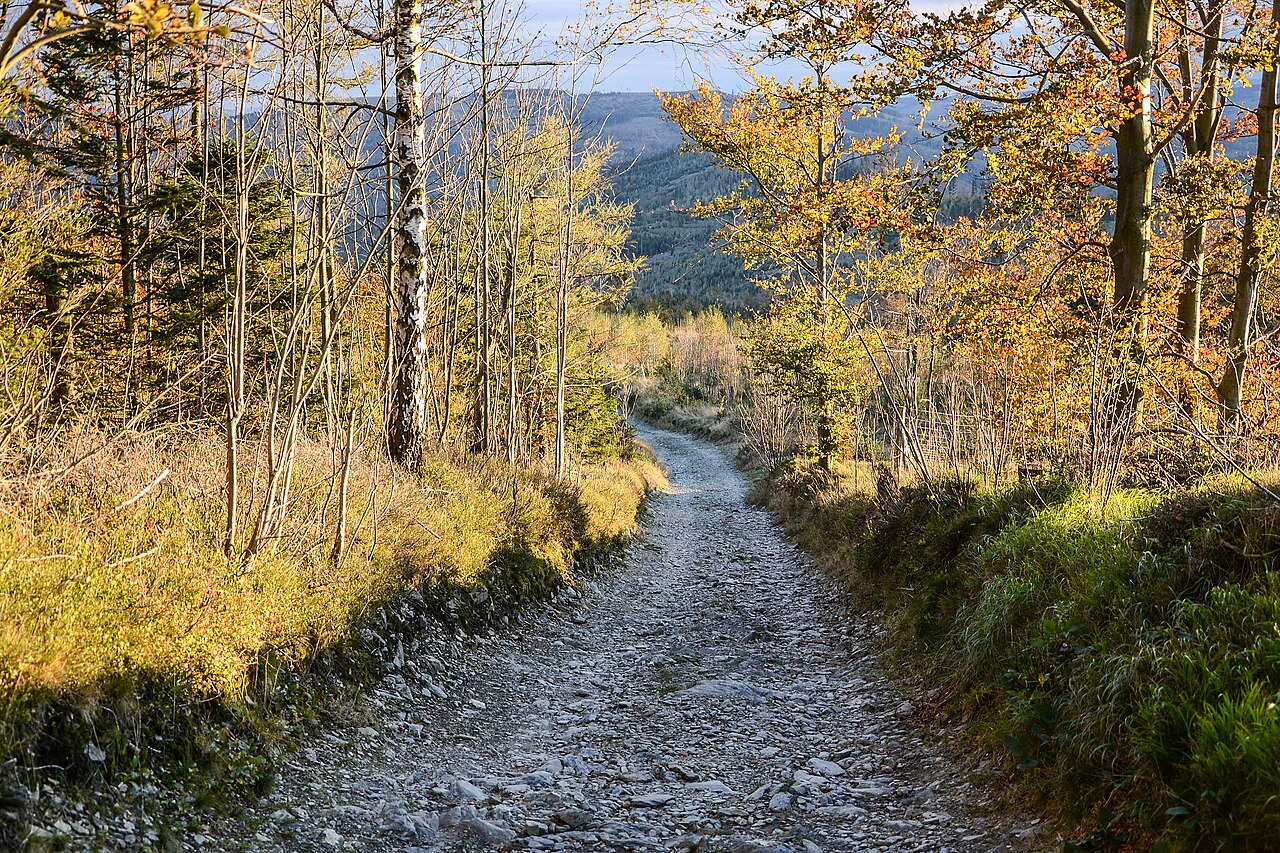
Representative photo: This image illustrates the importance of trail awareness and preparation, key themes in navigating late-autumn outdoor excursions responsibly. Photo: Pudelek / Wikimedia Commons · CC BY-SA 4.0. Resized for display. Sources checked October 31, 2026.
Advertisement · From our publishing familyDiscover something new ↗