The Logistical Pivot: From Terminal to Trail
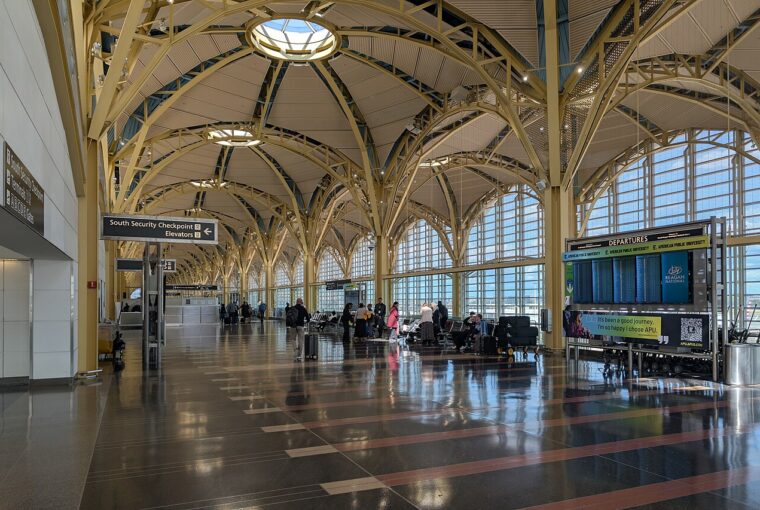
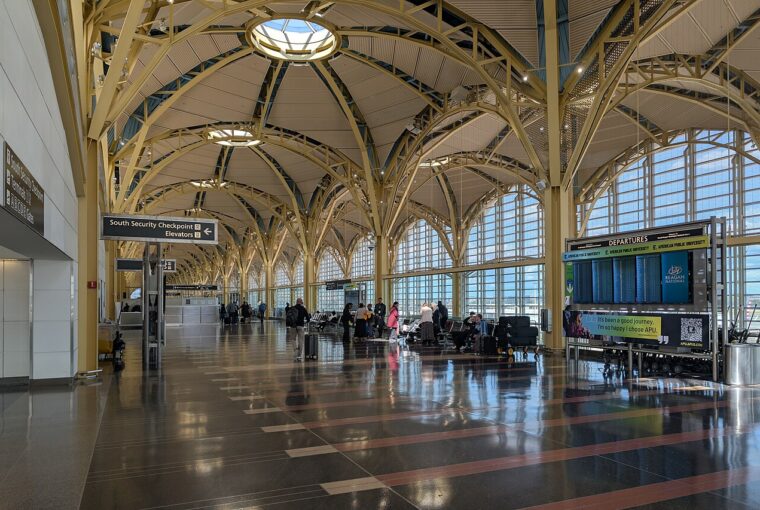
November represents a distinct operational paradox for the modern traveler. It is a month where the logistical demands of urban transit—airports, security checkpoints, and holiday-adjacent crowds—collide with the quiet, fragile reality of the shoulder-season outdoors. For those planning a trip that bridges these two environments, success depends on a clear understanding of how transit regulations and outdoor ethics intersect. Managing this transition requires more than just a packing list; it demands a comprehensive audit of your gear, your timeline, and your environmental impact.
As you prepare for a November departure, consider the dual nature of your equipment. Many items essential for outdoor comfort, such as specialized sunscreens, high-performance lotions, or specific fuel canisters, are subject to the same regulations as standard carry-on liquids. According to the Transportation Security Administration (TSA), all liquids, aerosols, and gels packed in carry-on baggage must be 3.4 ounces (100 mL) or less. This rule is often overlooked by travelers who focus exclusively on toiletries, forgetting that their outdoor gear may contain restricted volumes. If you are planning a trip that moves directly from an airport to a trailhead, it is essential to verify the volume of every item in your kit before arriving at the security lane. For a deeper look at managing these transitions, see our guide on Navigating the November Transit-to-Trail Pivot.
Environmental Stewardship in the Shoulder Season
The November landscape is uniquely vulnerable. As temperatures fluctuate and the ground cycles between freezing and thawing, soil and vegetation become significantly less resilient than they are in the height of summer. This makes the implementation of Leave No Trace principles not just a recommendation, but a functional necessity for the preservation of the areas you visit.
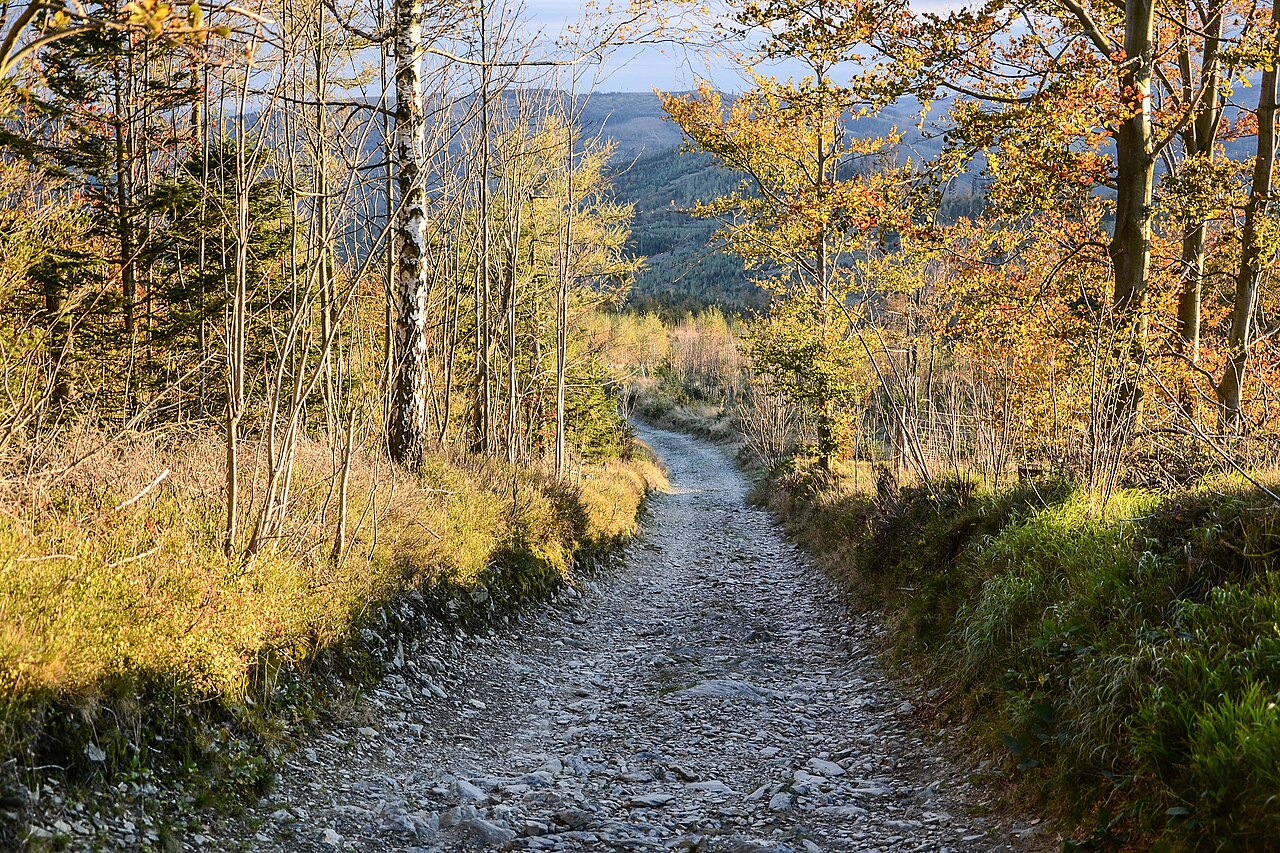
The Leave No Trace Center for Outdoor Ethics emphasizes that the second principle—Travel and Camp on Durable Surfaces—is the foundation of responsible outdoor recreation. In November, “durable surfaces” are harder to define. A trail that appears solid in the morning may become a slushy, high-impact zone by midday. Travelers must be prepared to adjust their plans if conditions deteriorate. If you find that sticking to the trail would cause damage to wet or frozen soil, the responsible choice is to turn back or seek an alternative, more durable location. This mindset of flexibility is critical; as noted in Strategic November Outdoor Planning: A Safety Framework, planning for the “worst-case” condition is the hallmark of a prepared traveler.
Wildlife Observation and Safety
November is a period of intense preparation for wildlife. Many species are actively foraging, migrating, or establishing winter territories, which makes them particularly sensitive to human presence. The National Park Service underscores that watching wildlife is a privilege that carries the burden of responsibility. The core directive is simple: keep your distance and never offer food. Feeding wildlife not only disrupts their natural cycle of winter preparation but can also create hazardous interactions that may lead to the animal being euthanized or the visitor being injured.
When planning your itinerary, assume that wildlife will be active during the dawn and dusk hours, which coincide with the times when human visibility is lowest. If your travel plans include photography or observation, prioritize long-distance optics over proximity. A camera lens with a high zoom capability is a better tool for wildlife observation than a physical approach. Remember that the goal is to observe the animal in its natural state, undisturbed by your presence. If an animal changes its behavior because you are there, you are too close.
The November Operational Checklist
- Liquids Audit: Check all outdoor gear—including sunscreen, bug spray, and fuel—against the TSA 3.4-ounce limit before packing.
- Surface Assessment: Before heading out, research the current trail conditions. If the ground is saturated or thawing, prioritize paved or gravel paths over soft-soil trails.
- Wildlife Distance: Use the “rule of thumb”—hold your thumb out at arm’s length; if you cannot cover the animal with your thumb, you are likely too close.
- Emergency Plan: November weather changes rapidly. Always carry a secondary navigation tool (paper map and compass) in addition to digital devices, as battery life can be impacted by cold temperatures.
- Gear Inspection: Inspect your rental or personal gear for cleanliness. Invasive species can be transported on dirty boots or equipment, which is a significant concern in many protected areas.
Note: This research-based guide was prepared with AI assistance and no visit or hands-on test was conducted.
Representative photo showing a trail surface in autumn, illustrating the need to assess terrain durability during shoulder-season travel. Photo: Pudelek / Wikimedia Commons · CC BY-SA 4.0. Resized for display. Sources checked November 6, 2026.
Advertisement · From our publishing familyDiscover something new ↗