Note: This is a research-based guide prepared with AI assistance. No site visits or hands-on tests were conducted.
November represents a critical transition period for wildlife across many regions. As temperatures decline and daylight hours shorten, animal behaviors shift in preparation for winter, often making them more visible or, conversely, more vulnerable to human disturbance. For the discerning traveler, this season demands a heightened commitment to ethical observation. Rather than viewing wildlife as a passive backdrop for photography, travelers must adopt a proactive, risk-aware approach to ensure both human safety and animal welfare.
The Principles of Respectful Observation
The foundation of responsible wildlife viewing is built upon the Leave No Trace 7 Principles. Principle 6, “Respect Wildlife,” serves as the primary directive: observe from a distance and never feed wild animals. When you encounter wildlife, your presence should not alter their behavior. If an animal stops feeding, changes its path, or becomes alert because of your proximity, you are too close. The U.S. National Park Service emphasizes that visitors are responsible for their own safety and the safety of the animals, explicitly advising that you should never touch, feed, or harass wildlife (Watching Wildlife (U.S. National Park Service)).
To implement this in the field, consider the following checklist for your November excursions:
- Maintain Distance: Use binoculars or a telephoto lens to view animals. If you must move to get a better view, you have already intruded.
- Avoid Feeding: Human food is not only nutritionally inappropriate for wildlife but also conditions animals to associate humans with food, a behavior that often leads to dangerous human-wildlife conflicts.
- Monitor Behavior: If an animal changes its behavior (e.g., stops grazing, flees, or exhibits defensive posturing), retreat immediately.
Planning for Seasonal Shifts in Wildlife Behavior
November is a time of biological urgency for many species. In many climates, animals are focused on caloric intake before winter or are in the midst of mating seasons. This makes them less tolerant of human presence. Effective planning requires acknowledging that your presence is an external stressor. According to the Leave No Trace 101 Course, understanding the science behind these impacts is the first step toward mitigation. When planning an outdoor itinerary for late autumn, prioritize locations that offer established viewing platforms or designated trails, which help keep visitors on durable surfaces and away from critical habitats.
Field Note Strategy: Observing Without Impact
When you are in the field, your objective should be to record sensory details without becoming a participant in the animal’s environment. For guidance on how to structure your observations, refer to A Simple Framework for Better Field Notes. When documenting your experience, focus on the animal’s natural environment rather than your proximity to it.
Safety and Preparedness
Wildlife safety is not merely about keeping a distance; it is about preparedness. November weather can be volatile, and trail conditions may change rapidly. Before heading out, always verify trail conditions and local regulations. For a broader perspective on managing these transitions, see The November Outdoor Transition: A Strategic Planning Framework. Being prepared means having the right gear, understanding the terrain, and knowing when to turn back if conditions—or wildlife presence—make a route unsafe.
Checklist for Ethical Wildlife Travel
- Research Before You Go: Check park websites for current wildlife alerts and seasonal closures.
- Pack the Essentials: Bring high-quality optics (binoculars/spotting scopes) so you do not need to approach animals to see them clearly.
- Stay on Trails: Travel and camp on durable surfaces to protect the habitat you are there to enjoy.
- Manage Waste: Pack out all trash, including food scraps, as even small amounts of human food can disrupt local ecosystems.
By shifting the focus from “getting the shot” to “observing with minimal impact,” travelers can ensure that the natural spaces they visit remain wild for future generations. Respecting wildlife is not an optional add-on to a trip; it is a fundamental requirement of modern, responsible travel.
Sources
- Watching Wildlife (U.S. National Park Service) (Checked: 2026-11-04)
- 7 Principles | Leave No Trace (Checked: 2026-11-04)
- Leave No Trace 101 Course (Checked: 2026-11-04)
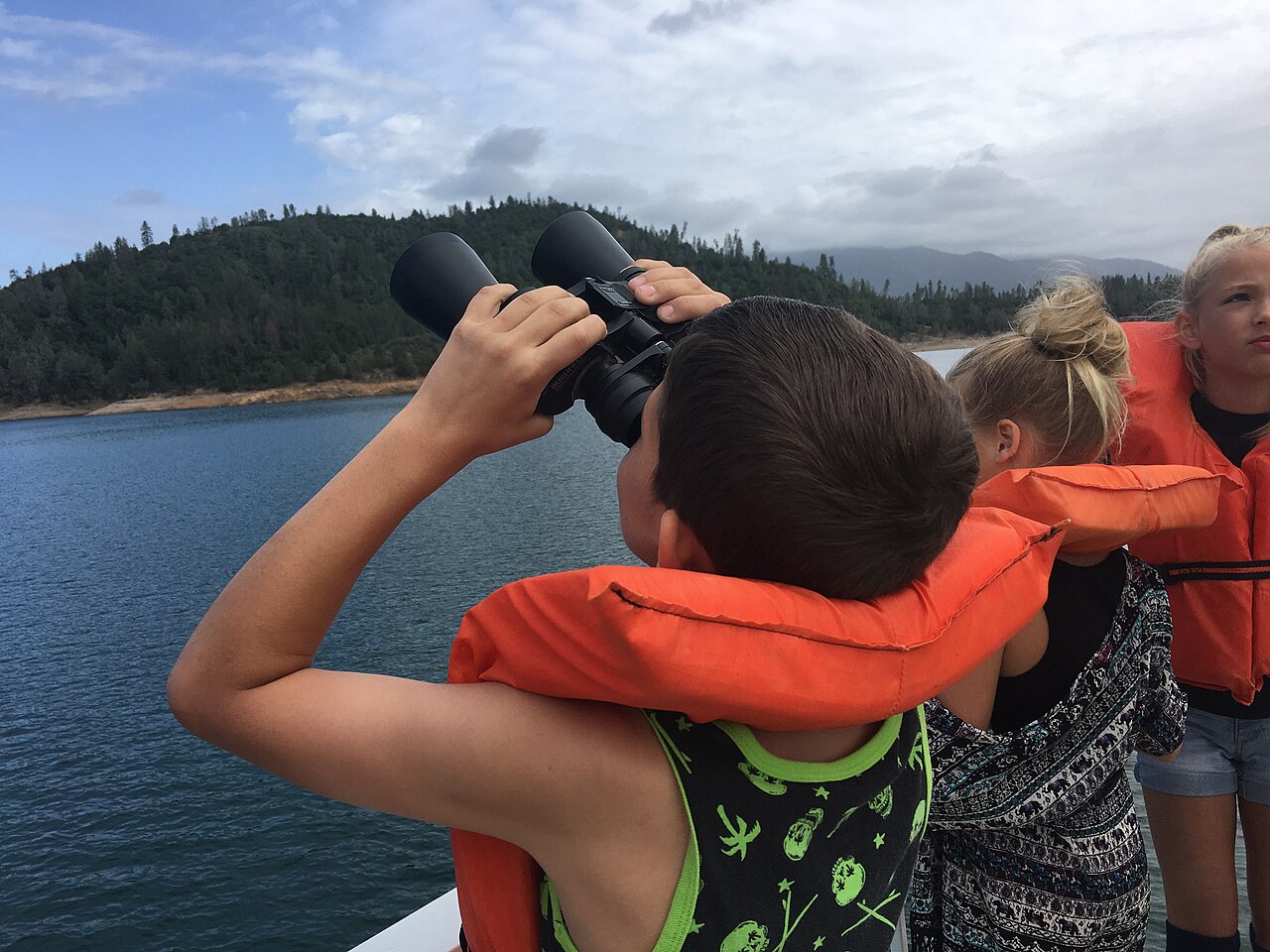
Representative photo. Using binoculars allows for ethical, distant observation of wildlife, minimizing disturbance to animals during critical seasonal transitions. Photo: Region 5 Photography / Wikimedia Commons · Public domain. Resized for display. Sources checked November 4, 2026.
Advertisement · From our publishing familyDiscover something new ↗