Note: This research-based guide was prepared with AI assistance. No visit or hands-on test was conducted. All recommendations are derived from official resources cited below.
November serves as a pivotal month for travelers, acting as a transition period where the operational landscapes of popular destinations shift significantly. For those planning trips to regions such as Scotland, Quebec City, or Iceland, the success of the journey relies less on spontaneity and more on a rigorous, pre-departure operational audit. By aligning your transit and packing strategies with the specific requirements of these destinations and adhering to universal security protocols, you can mitigate the risks associated with seasonal variability.
The Transit Security Audit: A Standardized Approach
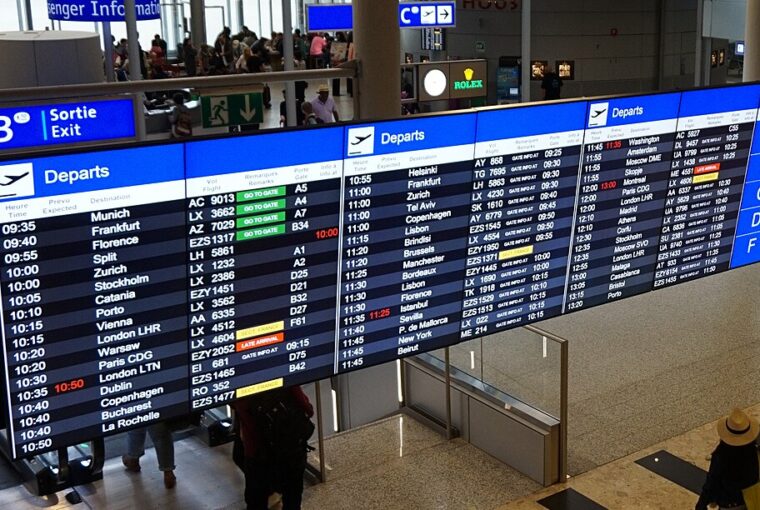
Before finalizing any itinerary, the most critical step is an audit of your transit logistics, particularly regarding security screening. As passenger volumes fluctuate throughout November, the Transportation Security Administration (TSA) emphasizes that preparation is the primary tool for reducing checkpoint stress. According to the TSA Travel Tips, the “3-1-1” rule for liquids remains the standard, but November introduces specific complications regarding gifts. If you are traveling with presents, use gift bags or boxes with removable lids rather than wrapping them fully, as security officers may need to inspect contents. Furthermore, snow globes are considered liquids and must be placed in checked baggage if they exceed 3.4 ounces.
For travelers managing medical conditions, the November audit must include a review of documentation and equipment. The TSA advises that while you do not need to present medication unless it is in liquid form, you must notify officers of any medical devices or medically necessary liquids at the start of the screening process. If you are traveling with an insulin pump, glucose monitor, or other attached medical device, inform the officer before screening begins. These devices are subject to additional screening, which may include a visual inspection or a self-pat-down. For further guidance on navigating these complexities, refer to our Navigating Air and Cruise Transit Regulations guide.
Destination-Specific Logistics: Scotland, Quebec, and Iceland
Once transit logistics are secured, the destination audit begins. Each of these three regions requires a distinct approach to planning in November. In Scotland, travel planning involves understanding the mix of urban and rural access. As noted by VisitScotland, visitors should brush up on weather expectations and utilize their official resources to find travel passes and offers. Because weather in Scotland can vary significantly, the most effective planning involves checking regional transport options—such as train, coach, and ferry—well before your departure date to understand the full range of available services.
In Quebec City, the strategy shifts toward navigating a historic, walkable environment that is well-prepared for seasonal changes. The official Quebec City Tourism portal highlights that the city is a year-round destination with distinct offerings for each season. Travelers should focus on the city’s unique geography, such as the fortified walls of Old Quebec, and plan their time to account for the specific character of the neighborhood they are visiting, whether it is the bohemian Saint-Jean-Baptiste or the historic Upper Town.
Iceland presents a different logistical set of challenges. As indicated by Visit Iceland, November is a time for northern lights viewing, ice caves, and geothermal wellness. The key to a successful Icelandic trip in November is recognizing that the natural environment dictates your pace. Travelers should prioritize geothermal wellness activities, which are abundant across the country, but must ensure their route planning accounts for the specific demands of the Icelandic landscape during late autumn. Planning a flexible itinerary that allows for weather-dependent adjustments is essential when visiting regions where conditions can change rapidly.
Building Resilience into the November Itinerary
The final step in your November travel audit is building resilience into your schedule. Because November weather can be unpredictable across these regions, your itinerary should treat arrival and departure days as significant logistical events rather than just transit time. As discussed in our internal catalog article, Winter Transport Needs More Recovery Time, adding a buffer to your transit plans is essential when connecting flights or regional transport in colder climates. This buffer accounts for potential delays that are more frequent as winter weather patterns begin to dominate.
Furthermore, ensure you have a clear understanding of the cancellation and rescheduling policies for both your accommodation and your transport providers. By auditing your transit, destination, and contingency plans, you can navigate the November shift with confidence, ensuring that your travel remains both secure and restorative.
November Planning Checklist
- Security: Prepare liquids and gifts for easy inspection; notify TSA of medical devices beforehand.
- Transport: Consult official regional transport guides (e.g., VisitScotland for rail/ferry, Quebec City Tourism for local transit) to understand available options.
- Weather: Build a “buffer day” into your transit schedule to account for weather-related delays.
- Wellness: If visiting Iceland, prioritize geothermal wellness as a primary, weather-resilient activity.
- Documentation: Keep all essential travel documents accessible and, where possible, offline.
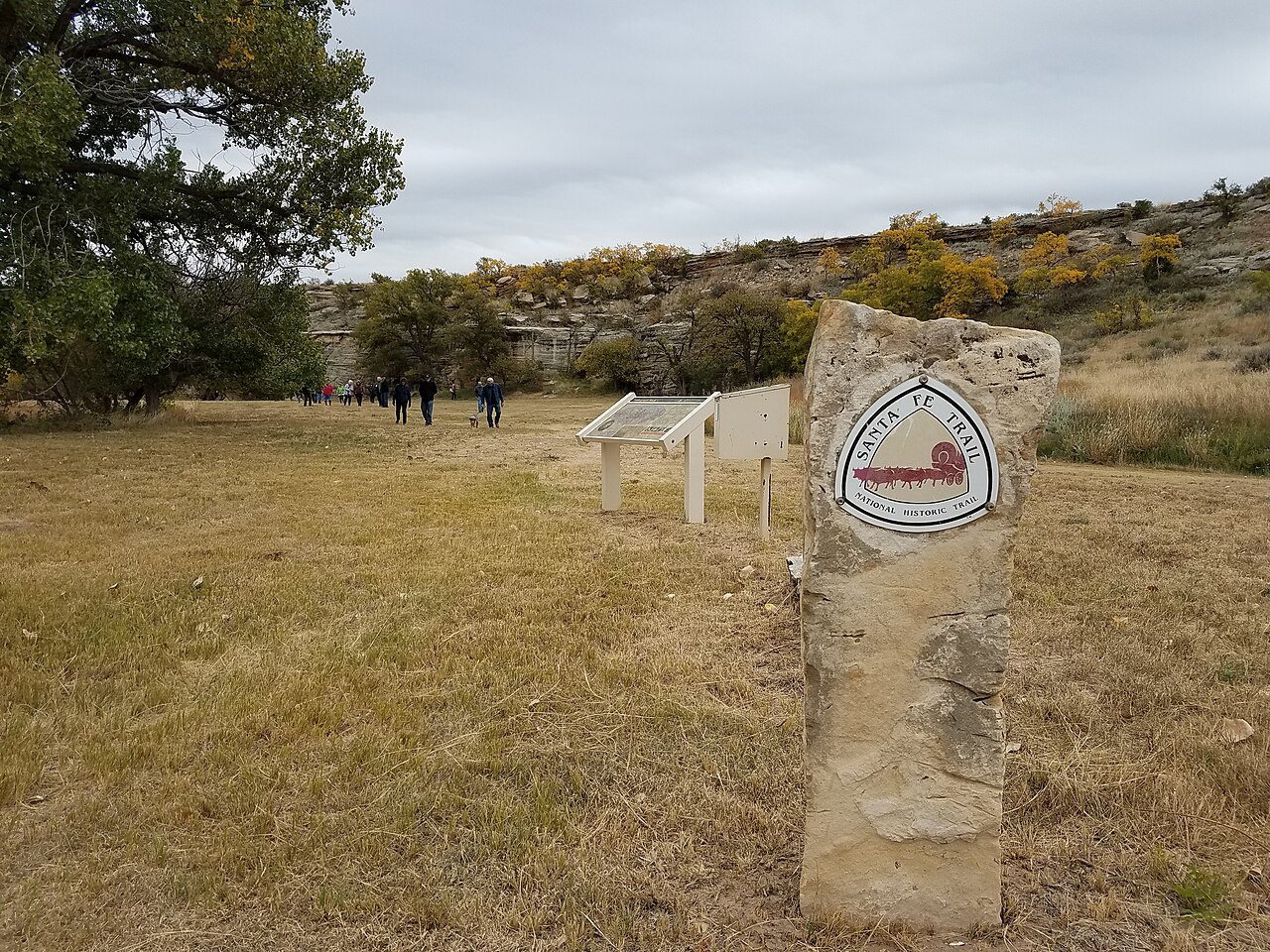
Representative photo showcasing travel planning and exploring historic trails as discussed in the guide. Photo: National Trails Office (US National Park Service) / Wikimedia Commons · Public domain. Resized for display. Sources checked November 2, 2026.
Advertisement · From our publishing familyDiscover something new ↗