Note: This research-based guide was prepared with AI assistance. No visit or hands-on test was conducted.
For travelers embarking on a cruise that requires a flight to the port city, the journey involves traversing two distinct regulatory environments. Transitioning from the strict aviation security protocols enforced by the Transportation Security Administration (TSA) to the maritime documentation and embarkation procedures managed by cruise lines and Customs authorities requires careful preparation. Understanding how these separate systems interact prevents costly delays, denied boardings, and frustrating baggage complications at the start of your vacation.
Managing Documentation Across Air and Sea Boundaries
One of the most critical distinctions in multi-leg journeys is the difference between air travel identification rules and maritime entry policies. According to the U.S. Customs and Border Protection (CBP), U.S. citizens on closed-loop cruises—voyages that begin and end at the same U.S. port—may technically re-enter the United States using a birth certificate and a government-issued photo ID. However, this exception applies solely to U.S. re-entry and does not guarantee that foreign countries visited during the itinerary will accept these documents for entry. Travelers must verify specific port-of-call requirements directly with their cruise line.
Crucially, this flexibility does not extend to commercial aviation. If your travel plan includes a flight to your embarkation port, you must present a valid passport or other federally compliant ID, such as a REAL ID, to clear airport security. Attempting to board an international or domestic flight with only a birth certificate will result in immediate denial. Before finalizing your logistics, reviewing resources like Questions Before Booking an Expedition Cruise can help clarify how specific itineraries impact your documentation strategy.
Mastering Luggage, Liquids, and Security Screening
The packing rules enforced during the airport phase of your journey differ sharply from what is permitted onboard a cruise ship. When flying, travelers must strictly adhere to the TSA’s 3.4-ounce (100 mL) rule for all liquids, aerosols, and gels carried in hand luggage. As outlined in the TSA Travel Tips documentation, any liquid, gel, or aerosol exceeding this volume—including specialty wines, artisanal preserves, or large personal toiletries—must be packed securely in checked baggage. Failing to separate these items prior to the security checkpoint leads to mandatory confiscation and unnecessary delays.
For passengers traveling with necessary medications, the TSA provides specific allowances. Medically required liquids exceeding 3.4 ounces are permitted in carry-on bags in reasonable quantities, but they must be explicitly declared to the security officer at the start of the screening process. While prescription bottles are not federally mandated by the TSA, travelers should remain aware of individual state laws regarding prescription labeling. Furthermore, if you are transporting gifts for fellow passengers or crew members, avoid fully wrapping them before departure. Security officers may need to inspect presents manually, and items containing liquids, such as decorative snow globes, must be placed strictly in checked luggage.
Leveraging Digital Infrastructure for Embarkation
Modern cruise lines have heavily digitized their pre-cruise procedures to minimize terminal congestion and streamline the transition from land to ship. Official guidance from major operators like Royal Caribbean and Celebrity Cruises emphasizes the creation and management of an online “Guest Account.” By completing the digital check-in process, submitting required identification details, and settling balances ahead of time, travelers can significantly reduce the amount of manual paperwork required at the pier.
This digital integration continues seamlessly once you step onboard. For instance, your SeaPass card—which functions simultaneously as your stateroom key and your onboard charge card—is typically waiting for you directly inside your stateroom or stateroom mailbox upon arrival. To ensure complete financial clarity during your voyage, it is wise to review Understand Cruise Gratuities and Service Charges before departure, ensuring that all automatic service fees and account structures are fully understood before you make your first onboard purchase.
A Step-by-Step Transition Checklist
To ensure a seamless transition from your home to your cruise stateroom, implement this structured preparation checklist:
- Verify Dual Documents: Confirm that you hold a valid passport for all flights, even if your cruise accepts alternative identification for closed-loop re-entry.
- Audit Carry-On Liquids: Ensure all toiletries, cosmetics, and beverages in your carry-on luggage comply with the 3.4-ounce limit, moving larger items to your checked bags.
- Prepare Medical Declarations: Separate medically necessary liquids and notify security personnel immediately upon reaching the checkpoint.
- Complete Online Check-In: Use your cruise line’s digital portal to upload documents and clear requirements at least 72 hours prior to sailing.
- Pack Gifts Unwrapped: Store holiday presents in gift bags or boxes with removable lids to facilitate quick security inspections without damaging wrapping paper.
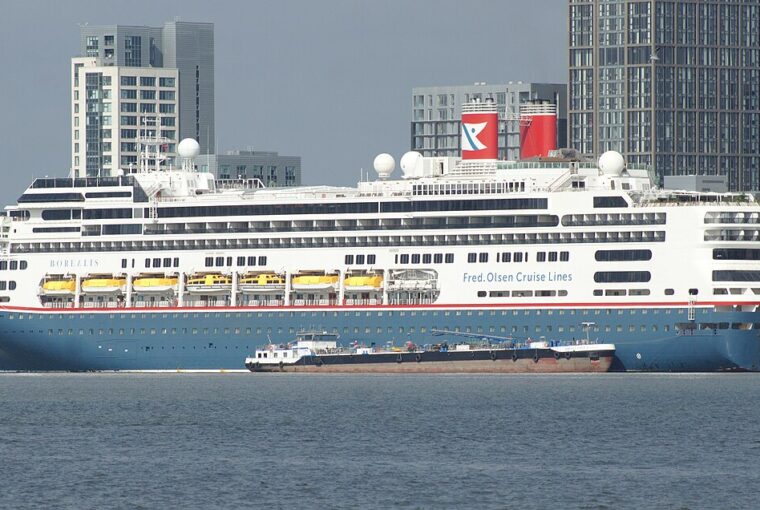
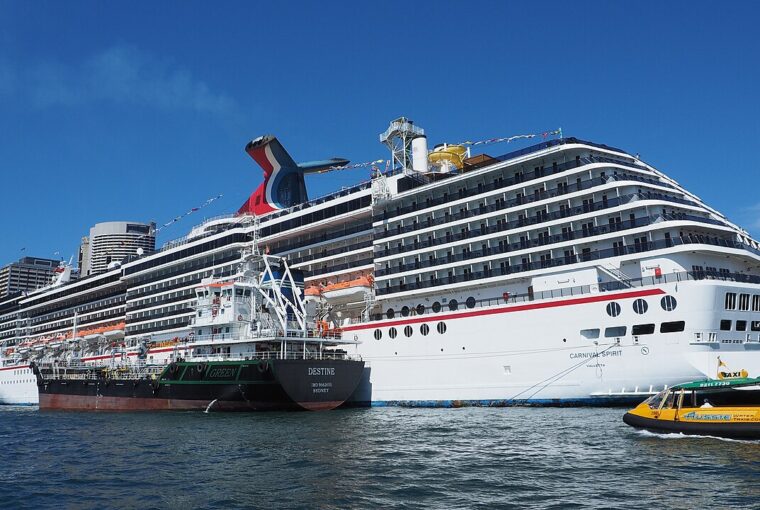
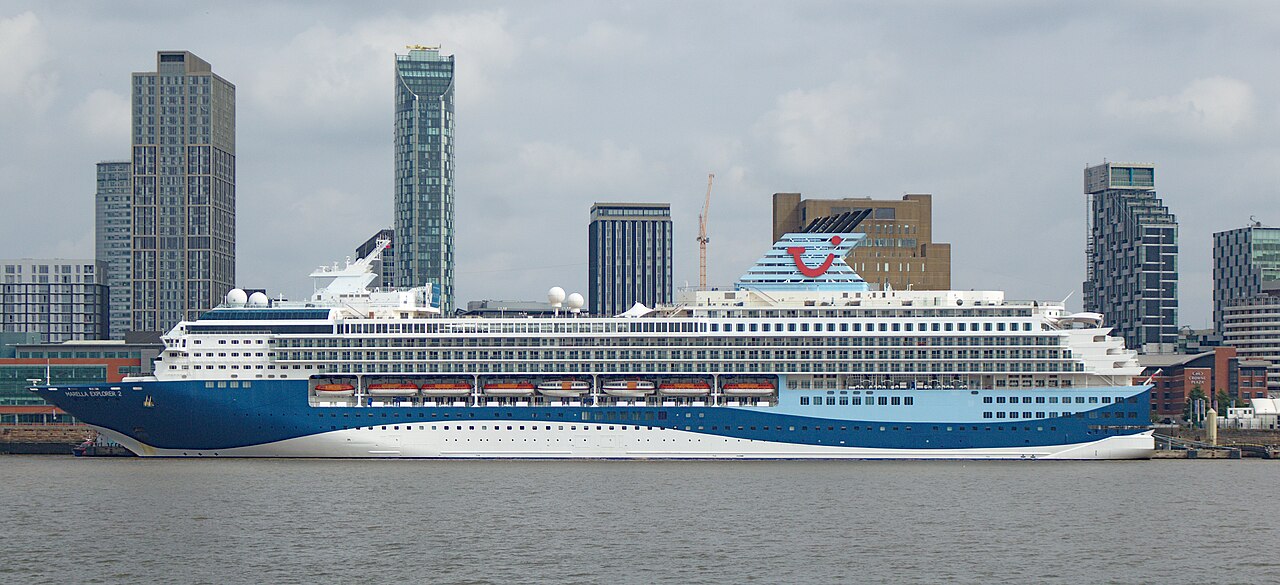
Representative photo. A large cruise ship docked at a terminal highlights the maritime portion of the travel experience, emphasizing the need for proper documentation and preparation before boarding. Photo: Rodhullandemu / Wikimedia Commons · CC BY-SA 4.0. Resized for display. Sources checked October 24, 2026.
Advertisement · From our publishing familyDiscover something new ↗