Note: This is a research-based guide prepared with AI assistance. No visit or hands-on test was conducted for this article.
As the travel season pivots into November, the focus for many shifts toward winter escapes. For those planning a cruise, the difference between a seamless embarkation and a logistical hurdle often lies in the pre-departure audit. By aligning your documentation, security readiness, and onboard account management well before you reach the terminal, you can significantly reduce the friction of the travel day.
The Documentation Audit: Beyond the Passport
Understanding entry requirements is the first step in any cruise logistics plan. According to U.S. Customs and Border Protection, U.S. citizens on “closed-loop” cruises—voyages that begin and end at the same U.S. port—are permitted to enter the United States with a birth certificate and a government-issued photo ID. However, relying on this exception carries inherent risks.
If a travel emergency requires you to fly home from a foreign port, you will likely be required to present a valid passport to board a flight. Therefore, the most strategic approach is to treat a passport as a necessity rather than an option. For a deeper look at managing these requirements, see our guide on Cruising Beyond Borders: A Strategic Document Checklist.
Verification Checklist
- Verify that your passport or WHTI-compliant document is valid for at least six months beyond your travel dates.
- If traveling with children, ensure they have their own required documentation, as the rules for minors can differ based on the specific cruise line and itinerary.
- Keep physical copies of your documents in a separate location from your originals while traveling.
Navigating the Security Checkpoint
Air travel to your embarkation port requires adherence to strict security protocols. The Transportation Security Administration (TSA) provides clear guidelines that can streamline your experience at the checkpoint. The most common point of confusion remains the liquid rule: all liquids, aerosols, and gels in carry-on bags must be 3.4 ounces (100 mL) or less.
If you are traveling with medical supplies, the process is manageable with advance preparation. You are not required to present medication to a TSA officer unless it is in liquid form over 3.4 ounces or if you prefer a visual inspection over X-ray screening. If you have an insulin pump or glucose monitor attached to your body, inform the officers before the screening process begins. Packing your bags with an “empty bag” strategy—starting with no prohibited items from previous trips—is the most effective way to ensure a smooth transition through security.
Managing Onboard Logistics Before You Depart
Once your travel documents are secured and your flight logistics are set, the final phase of the audit involves your shipboard experience. Many travelers wait until they are onboard to manage their preferences, but modern cruise lines offer robust self-service tools that can save time during the first hours of your vacation. As noted in the Celebrity Cruise FAQs, creating a guest account online allows you to manage reservations, make payments, and book add-ons like specialty dining, Wi-Fi packages, and shore excursions before you ever reach the terminal.
The “SeaPass” card serves as the central hub for your onboard life. It acts as both your room key and your charge card for all onboard purchases. By reviewing your balance and purchase history via the cruise line’s app or your in-room television, you can maintain visibility on your spending throughout the trip. If you are still deciding on the type of vessel that fits your travel style, consider reading our analysis on Small Ship or Large Ship? Compare the Cruise Experience.
The Integrated Pre-Departure Checklist
To ensure your November cruise is as efficient as possible, use the following table as a framework for your final week of preparation.
| Category | Action Item | Strategic Goal |
|---|---|---|
| Documents | Confirm passport validity | Ensuring emergency return capability |
| Security | Check carry-on liquids | Avoiding checkpoint delays |
| Medical | Prepare notification cards | Streamlining screening for devices |
| Onboard | Book dining/tours online | Maximizing time on board |
| Financial | Link credit card to account | Simplifying onboard checkout |
By conducting this audit, you shift your focus from reactive problem-solving at the terminal to a proactive, relaxed start to your vacation. Preparation is the primary tool for maintaining comfort during the seasonal transition.
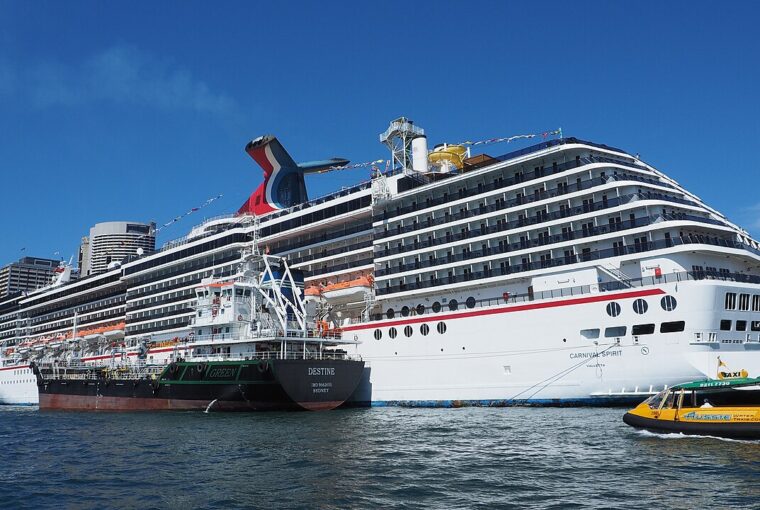
Representative photo of a cruise ship docked at a port terminal, illustrating the logistics and preparation discussed in the pre-cruise audit framework. Photo: Rodhullandemu / Wikimedia Commons · CC BY-SA 4.0. Resized for display. Sources checked October 31, 2026.
Advertisement · From our publishing familyDiscover something new ↗