Note: This is a research-based guide prepared with AI assistance. No site visits or hands-on tests were conducted.
November exists in a state of logistical flux. For the strategic traveler, this month is not merely a calendar entry but a distinct operational window characterized by the rapid transition from autumn to winter. Successfully navigating this period requires moving beyond general seasonal expectations and adopting a rigorous, research-based approach to itinerary planning. By conducting a pre-departure operational audit, travelers can identify service gaps before they arrive, ensuring that their trip remains resilient against the inevitable closures that define this shoulder season.
The Pre-Departure Operational Audit
The most common error in November travel planning is the assumption that destinations operate on a static, year-round schedule. In reality, many regions experience a hard cutoff for seasonal services. An effective operational audit begins by verifying the specific dates of operation for your planned activities. For example, the Quebec City Tourism Official Website explicitly notes that while the city is a year-round destination, the roadside stands and village shops on Ile d’Orleans are at their most active from mid-June to mid-October. A traveler arriving in November expecting the same level of activity will face a significant discrepancy between their expectations and the reality on the ground.
To conduct a thorough audit, follow these steps:
- Cross-Reference Seasonal Dates: Identify the specific end dates for tours, seasonal transport, and outdoor attractions. If a website lists a season as “Autumn,” check for a specific month or week-based closure date.
- Verify Regional Variations: As noted in The November Pivot: A Strategic Approach to Seasonal Travel, regional differences are profound. A destination’s urban core may remain fully operational, while its surrounding outdoor or rural areas have already transitioned to winter mode.
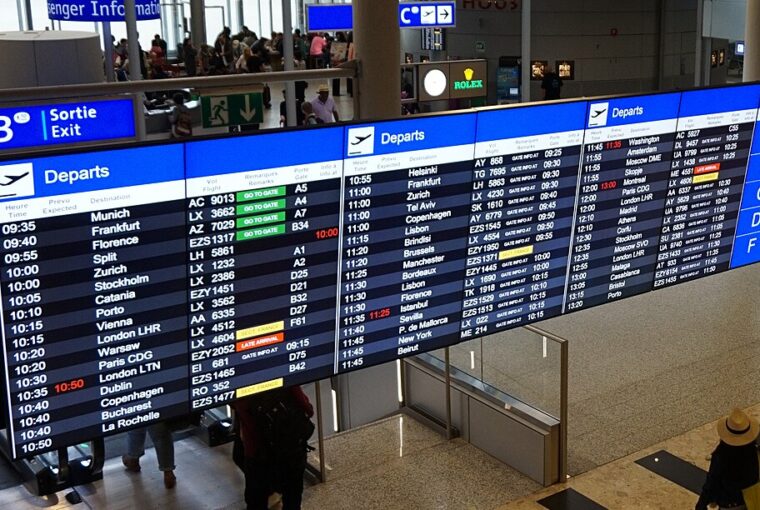
- Audit Transit Frequency: Transport networks frequently reduce frequency as tourist volume drops. Verify that the train, bus, or ferry schedules you rely on for your specific travel dates are not “summer-only” or “peak-season” schedules.
Analyzing Transit and Seasonal Infrastructure
Infrastructure reliability is the second pillar of the November audit. In many mountainous or rural regions, the transition to winter can affect transit accessibility before the first major snowfall. The Japan National Tourism Organization emphasizes that planning for Japan in November requires a nuanced understanding of regional weather and seasonal activities. Because Japan encompasses diverse geography, travelers must verify if specific scenic rail lines or mountain bus routes have implemented winter service adjustments.
When assessing your transit plan, prioritize the following:
- Weather-Dependent Routes: If your itinerary relies on scenic roads or high-altitude transit, research the “winter closure” protocols for those specific routes.
- Documentation and Entry: Always verify that your transit documents and entry requirements are aligned with your arrival date, as seasonal regulations can sometimes shift in the lead-up to the winter holiday period.
- Accessibility Continuity: As discussed in Navigating Late-Autumn Travel: Logistics and Ethics, accessibility features at transport hubs and historic sites can be impacted by early winter maintenance. Confirm that your specific entry points remain fully accessible during the transition period.
Building Resilience into the November Itinerary
The final component of a successful November strategy is the creation of a resilient itinerary. Because weather windows are not guarantees, the most effective plans are those that assume a high probability of disruption. This does not mean avoiding travel, but rather designing a trip that can adapt to changing conditions without requiring a complete overhaul.
Consider a “two-base” strategy for weeklong trips. By limiting the number of locations, you reduce the number of transit points that could be disrupted by weather. If a storm system impacts one region, a two-base itinerary allows for a localized shift in plans—such as swapping an outdoor day for a museum day—without the logistical burden of rebooking inter-city transport. This approach emphasizes depth over breadth, which is particularly effective in regions like Scotland or the Swiss Alps, where the November landscape is beautiful but inherently unpredictable. By focusing on a smaller geographic footprint, you gain the flexibility to wait out a poor weather window or pivot to an alternative activity that is less dependent on clear skies or dry trails.
Ultimately, the November operational pivot is an exercise in managing expectations. By acknowledging that the season is one of transition, the traveler can move from a state of reactive planning to one of proactive preparation, ensuring that the journey remains rewarding regardless of the weather.
Sources
- Quebec City Tourism Official Website (Checked: 2026-10-30)
- Japan National Tourism Organization (Checked: 2026-10-30)
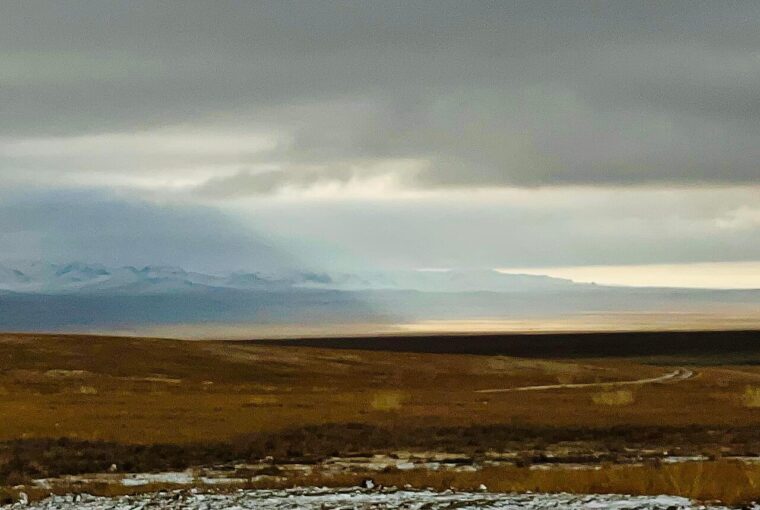
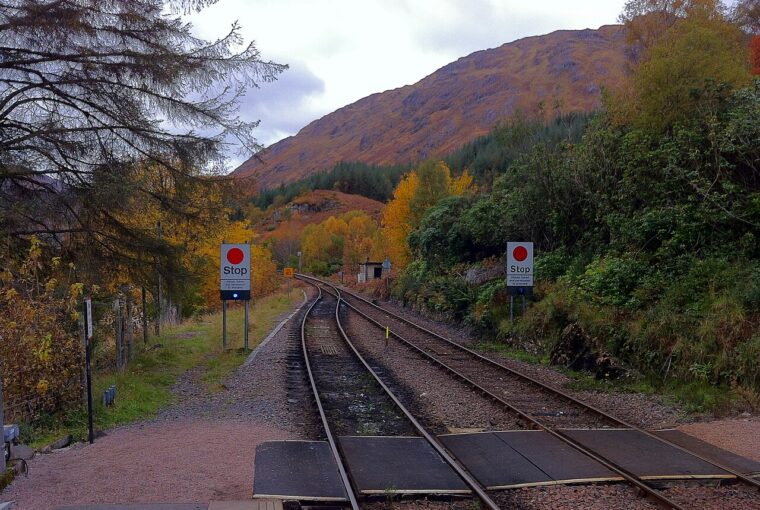
Representative photo showing the seasonal transition of landscapes, a key factor in November travel planning. Photo: Rolf Kranz / Wikimedia Commons · CC BY-SA 4.0. Resized for display. Sources checked October 30, 2026.
Advertisement · From our publishing familyDiscover something new ↗