Note: This is a research-based guide prepared with AI assistance, and no visit or hands-on test was conducted.
The arrival of November marks a critical pivot point in the outdoor calendar. For the strategic traveler, this shoulder season is not merely a precursor to winter; it is a distinct period requiring a specialized logistical and ethical framework. As daylight hours diminish and weather patterns become increasingly volatile, the casual planning methods of summer can lead to significant safety risks and environmental degradation. To navigate this transition effectively, travelers must shift their focus from high-volume exploration to a more deliberate, prepared approach that prioritizes long-term ecosystem health and personal safety.
The November Planning Audit: Anticipating the Shift
Preparation is the most effective tool for mitigating the unpredictability of late autumn. According to the Leave No Trace 7 Principles, the foundational step of any outdoor journey is to “Plan Ahead and Prepare.” In November, this principle takes on heightened importance. You are no longer planning for predictable, sunny conditions; you are preparing for a landscape in flux, where mud, ice, and early sunsets are the norm rather than the exception.
A strategic November itinerary must account for the reality that Weather Windows Are Not Guarantees. When designing your trip, avoid the temptation to over-schedule. Instead, build in significant buffers. This means researching not just the primary trail or destination, but also identifying alternative, lower-elevation routes that may be safer if weather conditions deteriorate. The Leave No Trace 101 Course reinforces that this level of pre-trip due diligence is not just about personal comfort; it is about reducing the likelihood of requiring search and rescue services, which can cause significant disruption to the environment and local communities.
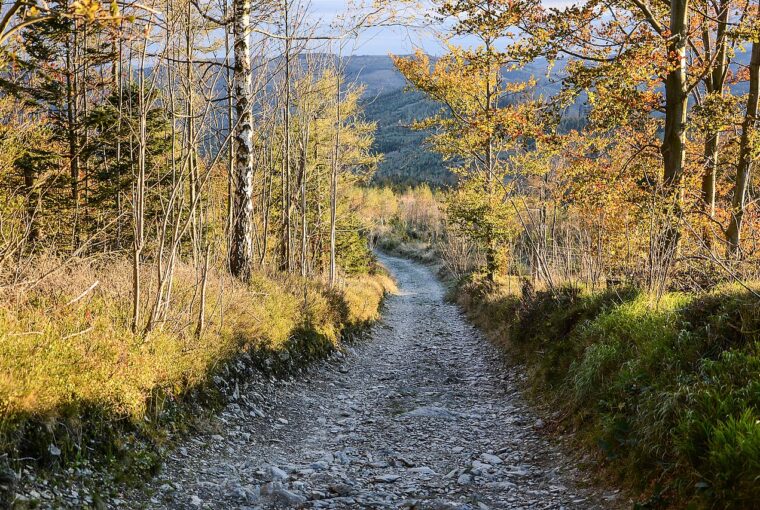
Furthermore, when selecting your destination, consider the fragility of the soil during this wet, transitional period. Sticking to durable surfaces—such as established trails, rock, or gravel—is vital. If a trail appears muddy or degraded, it is a signal to pivot to a more resilient location rather than pushing through and causing further erosion.
Wildlife Stewardship in the Late Autumn
As vegetation dies back and food sources become scarce, wildlife behavior changes dramatically in November. Animals are often in a state of high-intensity foraging or migration, making them more sensitive to human presence. The U.S. National Park Service emphasizes that visitors are responsible for maintaining safe distances and never feeding wild animals, as these actions can disrupt critical survival behaviors.
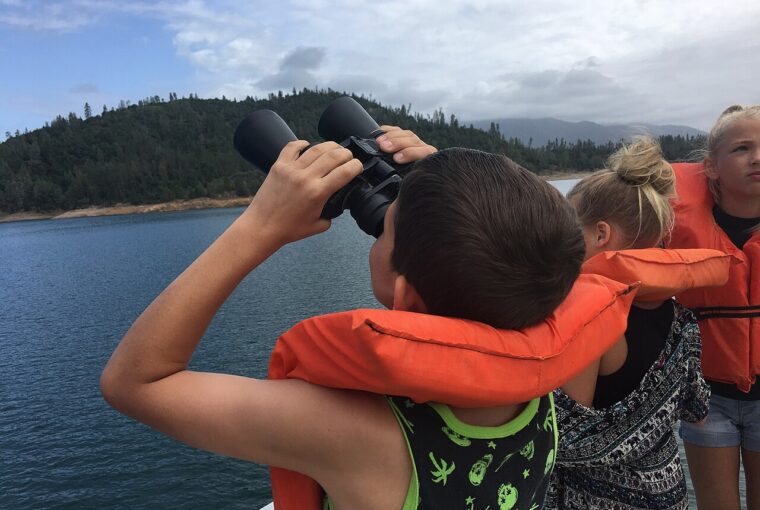
Strategic wildlife observation during this time requires a change in tactics. Rather than seeking out close-range encounters, prioritize long-range viewing. If an animal changes its behavior—such as stopping its feeding, altering its path, or looking directly at you—you are too close. The stress caused by human encroachment can deplete energy reserves that animals need to survive the winter. To practice responsible stewardship, consider the following:
- Use Optics: Invest in high-quality binoculars or a telephoto lens to view wildlife from a distance that ensures the animal remains undisturbed.
- Secure All Attractants: November is a time when animals are desperate for calories. Ensure that all food, scented toiletries, and trash are stored in wildlife-resistant containers at all times, even during short rest stops.
- Respect Quiet Zones: Avoid areas known for wildlife activity if you cannot commit to maintaining a low noise profile. Noise pollution can mask the sounds of predators or potential threats for wildlife, increasing their stress levels.
Logistical Transit and Equipment Management
The complexity of traveling for a November outdoor adventure often begins long before you reach the trailhead. Whether you are flying to a regional hub or driving a long distance, the logistical burden of specialized equipment requires careful management. When flying, the Transportation Security Administration (TSA) provides essential guidance on navigating security with outdoor gear. Their advice to start with an empty bag is particularly relevant for travelers moving between city environments and wilderness areas, as it minimizes the risk of leaving prohibited items in your pack.
A central decision for the strategic traveler is whether to bring your own gear or rely on local rentals. Our guide on Rent or Bring Outdoor Equipment suggests that while personal gear offers the benefit of familiarity and fit, renting locally can drastically reduce the logistical complexity of transit and baggage fees. If you choose to rent, confirm inventory availability well in advance, as many seasonal outfitters may have reduced hours or limited stock during the late-autumn transition.
Strategic Preparation Checklist
| Phase | Task | Objective |
|---|---|---|
| Pre-Departure | Check local weather and trail status | Identify potential closures or hazards |
| Gear Audit | Inventory and pack essential layers | Ensure readiness for temperature drops |
| Transit | Review TSA prohibited items | Streamline airport security screening |
| Field Work | Establish wildlife buffer zones | Minimize stress on local fauna |
By integrating these ethical and logistical frameworks, you ensure that your November adventure remains a positive, responsible experience. The goal is to engage with the landscape in a way that respects its seasonal rhythm and ensures its preservation for future visitors.
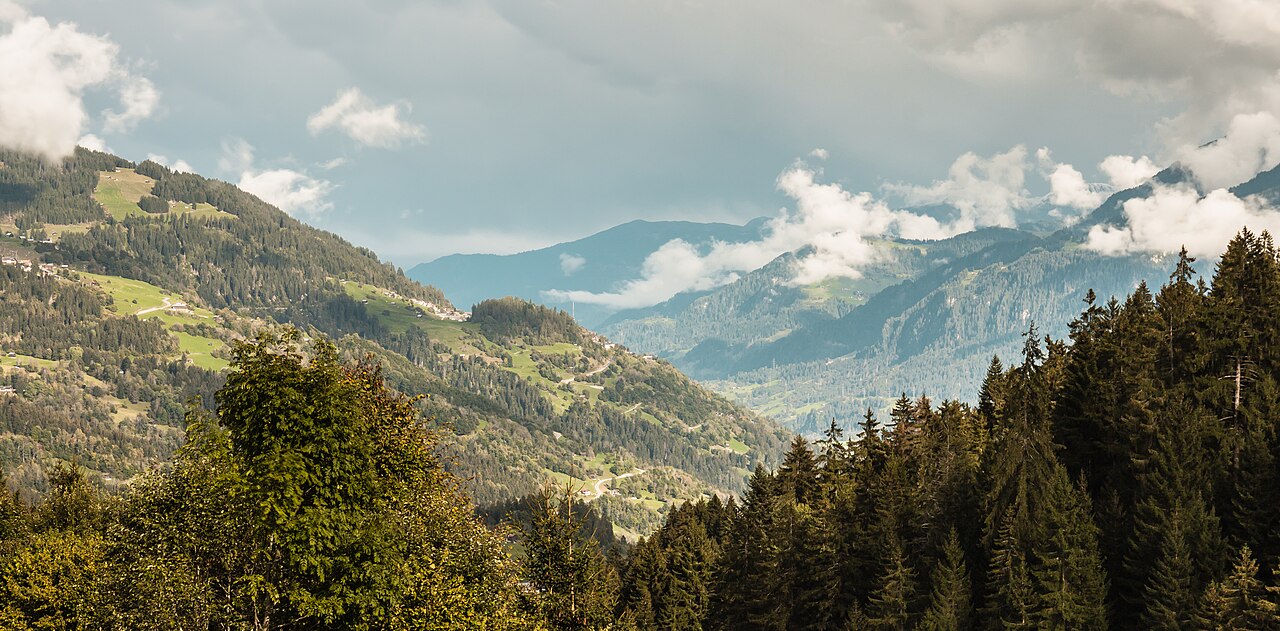
Representative photo showing the volatile, shifting weather patterns and transitionary landscapes that require careful planning during the shoulder season. Photo: Dominicus Johannes Bergsma. / Wikimedia Commons · CC BY-SA 4.0. Resized for display. Sources checked October 28, 2026.
Advertisement · From our publishing familyDiscover something new ↗