Note: This is a research-based guide prepared with AI assistance and no visit or hands-on test was conducted.
November represents a distinct pivot point in global travel. For the traveler, it is a month defined by the transition from the vibrant colors of autumn to the early onset of winter. Successfully navigating this period requires a shift in strategy, moving away from high-season flexibility toward a more deliberate, weather-conscious planning framework. Whether you are exploring the fortified streets of Quebec City, the geothermal landscapes of Iceland, or the diverse regions of Japan, the secret to a successful November trip lies in preparation for changing conditions.
Understanding the November Seasonal Pivot
The core challenge of November travel is the variability of the weather. In many northern latitudes, the month is a bridge between seasons. In Japan, for instance, the Japan National Tourism Organization notes that while autumn leaves are a primary draw, the timing varies significantly by region. A traveler must adjust expectations based on geography—what is a mild, crisp autumn day in Tokyo might be the beginning of the snow season in Hokkaido.
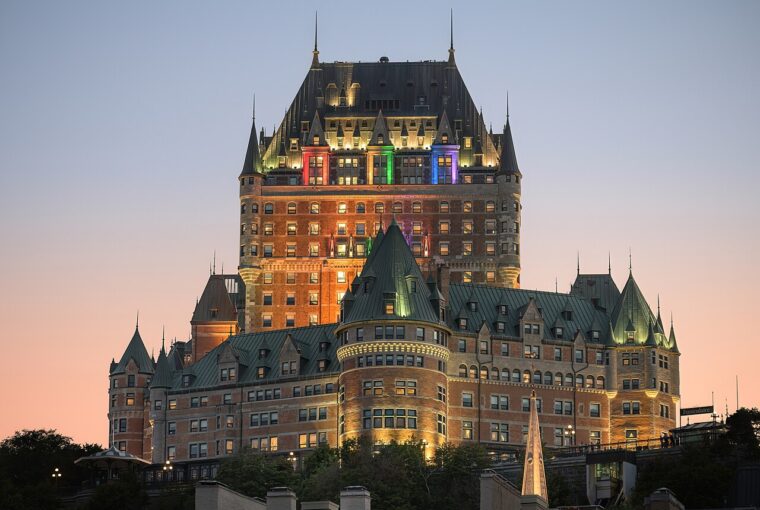
Similarly, planning for Quebec City requires an understanding of its unique urban geography. As a UNESCO World Heritage treasure, the city is highly walkable, but late-autumn conditions can introduce rain or early snow, necessitating a more robust approach to footwear and layering than a mid-summer visit. The key is to view the destination not as a static entity, but as a landscape in motion. For those interested in the logistical nuances of this shift, our guide on Navigating Late-Autumn Transit and Seasonal Journeys offers a deeper look into maintaining momentum during this transition.
Regional Considerations for November
Each destination offers a specific set of seasonal advantages and logistical requirements during November:
- Iceland: November is a prime time for those seeking the northern lights and ice caves. According to Visit Iceland, the month is also ideal for geothermal bathing. However, the weather is notoriously changeable, and planning must account for short daylight hours and potential road closures due to winter weather patterns.
- Japan: Beyond the foliage, November is an excellent time for cultural experiences. The Japan National Tourism Organization highlights that seasonal food and traditional festivals are central to the experience. As outlined in our article on Planning a Responsible and Prepared Autumn Trip to Japan, travelers should prioritize regional research to match their itinerary with the local climate, as the experience in Tohoku will differ vastly from the southern islands.
- Scotland: As noted by VisitScotland, November is a time to embrace the moodier side of the landscape. Planning should emphasize indoor cultural activities, such as visiting historic sites or enjoying seasonal events, while remaining flexible with outdoor plans due to the likelihood of rain and wind.
A Strategic Checklist for Late-Autumn Logistics
To ensure your trip remains resilient against the volatility of November weather, consider the following strategic checklist:
- Evaluate Transit Buffers: Always build extra time into your transit days. Whether you are taking a train in Japan or driving in rural Iceland, winter-like conditions can delay even the most reliable transport systems.
- Prioritize Layering: Do not rely on a single heavy coat. A modular layering system—base, mid, and outer shell—is essential for adapting to the temperature fluctuations that occur between indoor museums and outdoor historical walks.
- Verify Seasonal Closures: Many tourist sites or seasonal services begin to wind down in November. Check official tourism board websites, such as those provided by Quebec City Tourism, to confirm opening hours for attractions and transport services before finalizing your itinerary.
- Digital Resilience: Keep critical documents, maps, and itineraries available offline. In remote regions or during inclement weather, connectivity can be unreliable.
By treating November as a specific, distinct travel season rather than an off-peak afterthought, you can experience these destinations with fewer crowds and a more intimate connection to the local environment. The key is to remain informed, prepared for the unexpected, and respectful of the seasonal rhythms that govern these regions.
Sources
- Japan National Tourism Organization: Explore Japan’s Stories & Guides (Checked 2026-10-27)
- Quebec City Tourism: Quebec City Tourism Official Website (Checked 2026-10-27)
- VisitScotland: Plan your trip to Scotland (Checked 2026-10-27)
- Visit Iceland: Visit Iceland Official Travel Guide (Checked 2026-10-27)
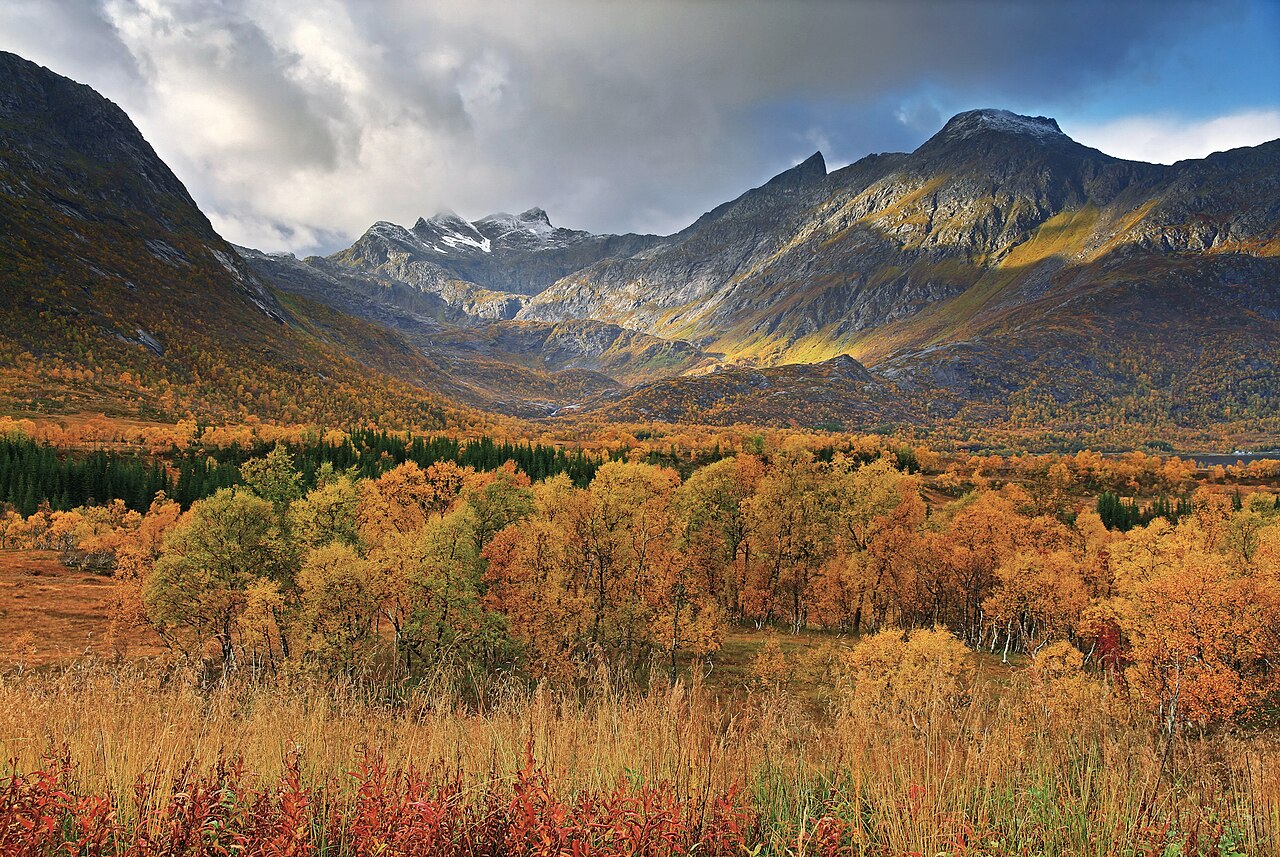
Representative photo; this landscape illustrates the seasonal transition and varied terrain that travelers must prepare for during November. Photo: Ximonic (Simo Räsänen) / Wikimedia Commons · CC BY-SA 3.0. Resized for display. Sources checked October 26, 2026.
Advertisement · From our publishing familyDiscover something new ↗