Note: This research-based guide was prepared with AI assistance. No site visits or hands-on tests were conducted. All recommendations are derived from official sources and internal travel frameworks.
Traveling to Japan in November requires a departure from casual vacation habits. As the country enters its late-autumn season, the combination of cooling temperatures, shorter daylight hours, and high demand for seasonal foliage viewing creates a unique environment that rewards the prepared traveler. A strategic approach to this month focuses on understanding cultural expectations, mastering transit logistics, and building an itinerary that respects local rhythms rather than fighting against them.
Navigating Cultural Etiquette and Dining Logistics
Cultural immersion in Japan is not about surface-level mimicry but about understanding the underlying principles of social harmony. The Japan National Tourism Organization (JNTO) emphasizes that much of Japanese etiquette centers on mindfulness and avoiding inconvenience to others. When planning your trip, consider how your presence interacts with the local community.
- Punctuality as a Cultural Pillar: In Japan, public services operate with rigorous adherence to schedules. This expectation extends to your own travel planning. If you have made reservations for transport or dining, notifying the establishment if you are running late is not merely courteous; it is essential to maintaining the efficiency of the service.
- The Nuance of Tipping: Unlike in many Western countries, tipping is not a standard practice in Japan. According to the JNTO guide on tipping, services in bars, cafes, restaurants, and taxis do not require gratuities. While a private guide accustomed to international travelers might accept a tip as a gesture of gratitude, it should be offered discreetly, ideally in an envelope purchased at a convenience store.
- Dining Considerations: Many smaller restaurants purchase ingredients daily based on reservations. A failure to cancel can result in significant waste. Always confirm your reservations and communicate any dietary restrictions early.
For those aiming to refine their approach to these cultural interactions, our catalog offers deeper insights into Planning a Responsible and Prepared Autumn Trip to Japan, which outlines how to balance your personal interests with the preservation of the local environment and community.
Strategic Transit: Security and Movement
The transition from airport to destination is the most critical phase of any international journey. Whether you are navigating the logistics of a Kyoto long weekend or moving between major hubs, security protocols require upfront preparation. By aligning your packing strategy with established aviation standards, you can reduce the anxiety often associated with international transit.
The Security Checklist
Before you depart, ensure your carry-on luggage complies with international aviation standards. The TSA guidelines emphasize that any liquid, aerosol, or gel in your carry-on must be 3.4 ounces (100 mL) or less. If an item exceeds this limit, it must be placed in your checked baggage. This rule applies strictly to items such as sauces, jams, and even seasonal gifts like snow globes.
Packing for Medication
If you are traveling with medication, you do not need to present it unless it is in liquid form. However, if you have medically necessary liquids over 3.4 ounces, inform the security officer at the start of the screening process. For those using medical devices like insulin pumps, notify the officers before screening begins. You can even provide a notification card to discreetly communicate your medical needs. This proactive communication is the hallmark of a strategic traveler who understands that security is a collaborative process.
Designing a Resilient Itinerary
A successful autumn trip relies on balancing structured activities with the flexibility to adapt to seasonal conditions. As you plan your days, consider how geography and transport impact your pace. Japan offers diverse sports and outdoor activities, from hiking in the mountains to cycling through rural landscapes, but these are highly dependent on weather conditions that can shift rapidly in November.
- Evaluate Your Daily Pace: When scheduling outdoor activities, allow for recovery time. If you are traveling between regions with different climates, recognize that your energy levels will fluctuate.
- Respecting Seasonal Closures: Late autumn often sees shifts in operating hours for tourist sites and restaurants. Always check local calendars and make reservations well in advance.
- Utilize Digital Tools Wisely: While digital tools are helpful, keep critical travel documents available offline. This ensures that you have access to your plans, accommodation details, and emergency contacts even in areas with limited connectivity.
By prioritizing cultural respect, adhering to transit regulations, and planning with a focus on local context, you can ensure your late-autumn journey to Japan is both productive and restorative. The goal is to move through the country with the same precision and consideration that defines the local culture, ensuring that your travel footprint is as light as possible while your experience remains deep and meaningful.
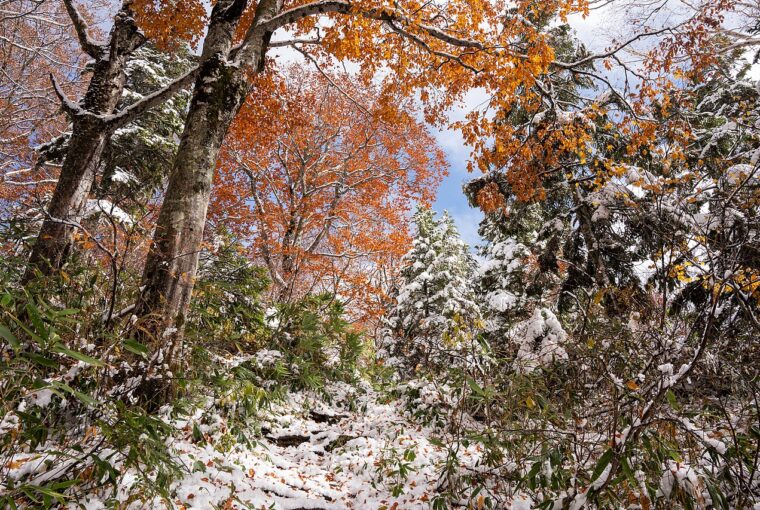
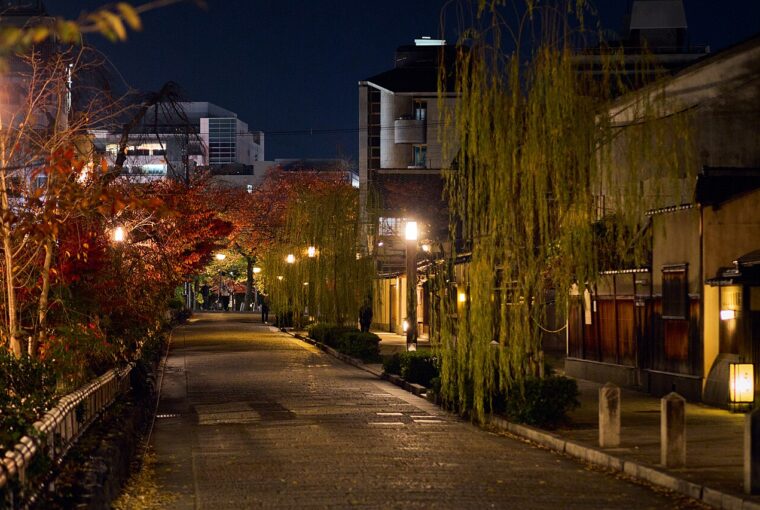
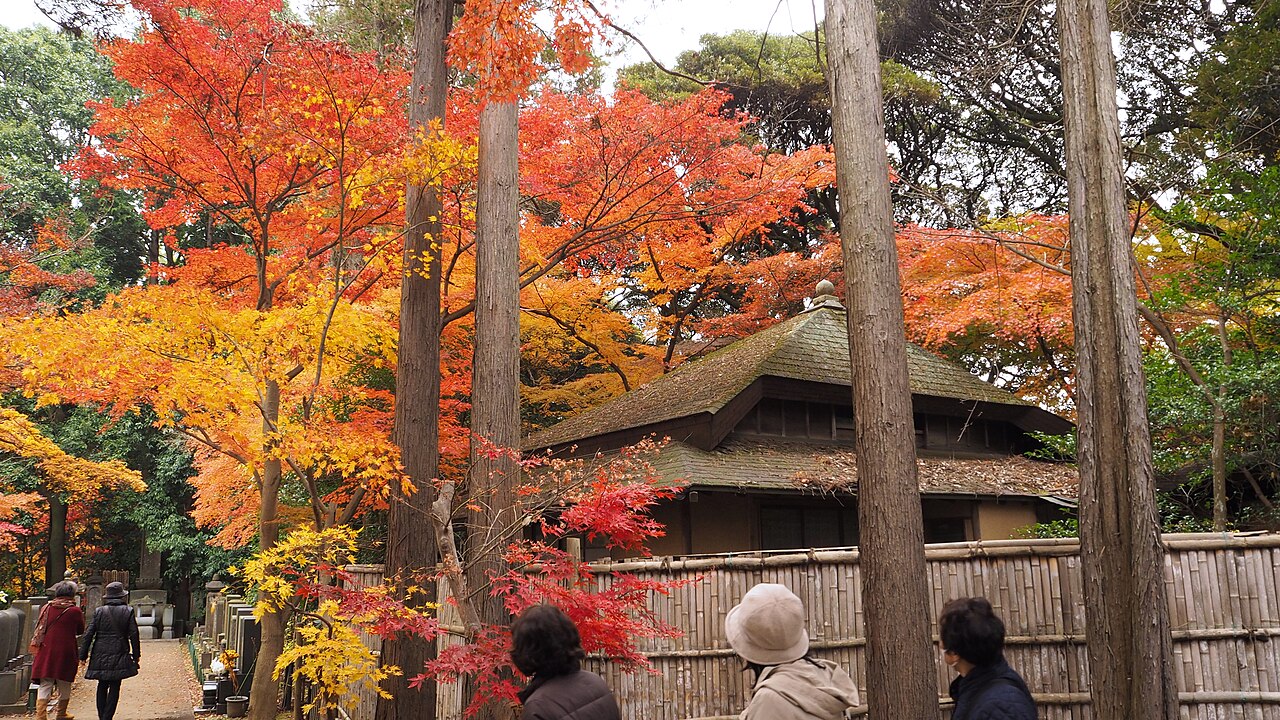
Representative photo illustrating the late-autumn seasonal foliage and environment discussed in the Japan travel planning guide. Photo: Hetarllen Mumriken / Wikimedia Commons · CC BY-SA 2.0. Resized for display. Sources checked October 26, 2026.
Advertisement · From our publishing familyDiscover something new ↗