
Note: This is a research-based guide prepared with AI assistance; no visit or hands-on test was conducted. All recommendations are derived from official travel guidance and local regulations.
For a long weekend, the arrival day is not just a transition; it is a critical component of your itinerary. Whether you are landing in the morning or arriving by evening, your initial hours in a city like Kyoto dictate the rhythm of the days to follow. By aligning your arrival time with a clear logistics plan—handling luggage, transit, and first-night expectations—you can turn a potentially stressful day into a seamless entry.
Arrival Timing: The Morning vs. Evening Trade-off
Choosing your arrival time often feels like a matter of flight availability, but it fundamentally changes your first 48 hours. As discussed in our guide to designing a better first day, your energy levels and the city’s operational hours must be in sync.
The Morning Arrival: Momentum and Storage
A morning arrival offers the gift of time, but it often lands you in the city long before your accommodation is ready for check-in. The primary challenge here is luggage. Dragging suitcases through historic districts is not just inconvenient; it can be disruptive to the local community. Kyoto specifically encourages “hands-free” travel. Before you arrive, research luggage storage services at major stations or your hotel. By offloading your bags immediately, you gain the freedom to explore the city without the burden of gear, allowing you to engage in a more spontaneous, flexible itinerary as suggested in our guide to planning a flexible day of travel.
The Evening Arrival: Recovery and Respect
An evening arrival requires a different mindset. You are likely tired, and your priority should be minimizing transit stress. The evening is not the time for ambitious sightseeing; it is for settling in. Be aware that many residential areas in cities like Kyoto are quiet, and local residents value peace. If you arrive late, prioritize a direct transfer to your accommodation to avoid noise disturbances in residential neighborhoods.
Essential Arrival Logistics: Luggage and Transit
Regardless of your arrival time, the transition from airport or train station to your accommodation requires preparation. According to the Transportation Security Administration (TSA), the best way to ensure a smooth transition is to start with an organized bag. Pack your essentials—medications, chargers, and critical documents—in your carry-on so you have immediate access upon landing.
Once you arrive, your choice of transport matters. In Kyoto, the city emphasizes using public transportation, such as efficient trains and subways, to navigate. If you require a taxi, use authorized vehicles with green license plates or official ride-hailing apps. Kyoto warns against paid rides in private vehicles without proper authorization, while approved ride-share services are an exception. Unlicensed taxis may lack safety inspections and insurance coverage. Relying on official transit not only ensures safety but also aligns with the city’s Responsible Travel guidelines, which ask visitors to show consideration for local communities and the environment.
Crafting a Low-Impact First Evening
Your first evening sets the tone for your trip. Rather than attempting to cram in a major site, use this time to adjust. If you are staying in a neighborhood with high tourist traffic, such as Gion, remember that these areas are also home to local residents. The Japan National Tourism Organization emphasizes that respecting local customs—such as being mindful of noise levels and not blocking streets—is essential for a positive experience.
Consider these options for a flexible, low-impact first evening:
- A Quiet Neighborhood Walk: Explore the immediate vicinity of your hotel to get your bearings without needing to navigate complex transit routes.
- A Pre-Booked, Quiet Dinner: Secure a reservation for a meal nearby. This eliminates the stress of searching for a table when you are tired.
- Local Observation: Use this time to observe local etiquette, such as how to properly use an oshibori (wet towel) or how to queue for services, which helps you feel more prepared for the following days.
By treating your arrival day as a deliberate part of your trip rather than a hurdle to overcome, you ensure that your long weekend begins with clarity and respect for the destination.
Sources
- Responsible Travel | Kyoto Travel (Checked: 2026-10-23)
- Japanese Customs and Etiquette | Japan Travel (Checked: 2026-10-23)
- Travel Tips | Transportation Security Administration (Checked: 2026-10-23)
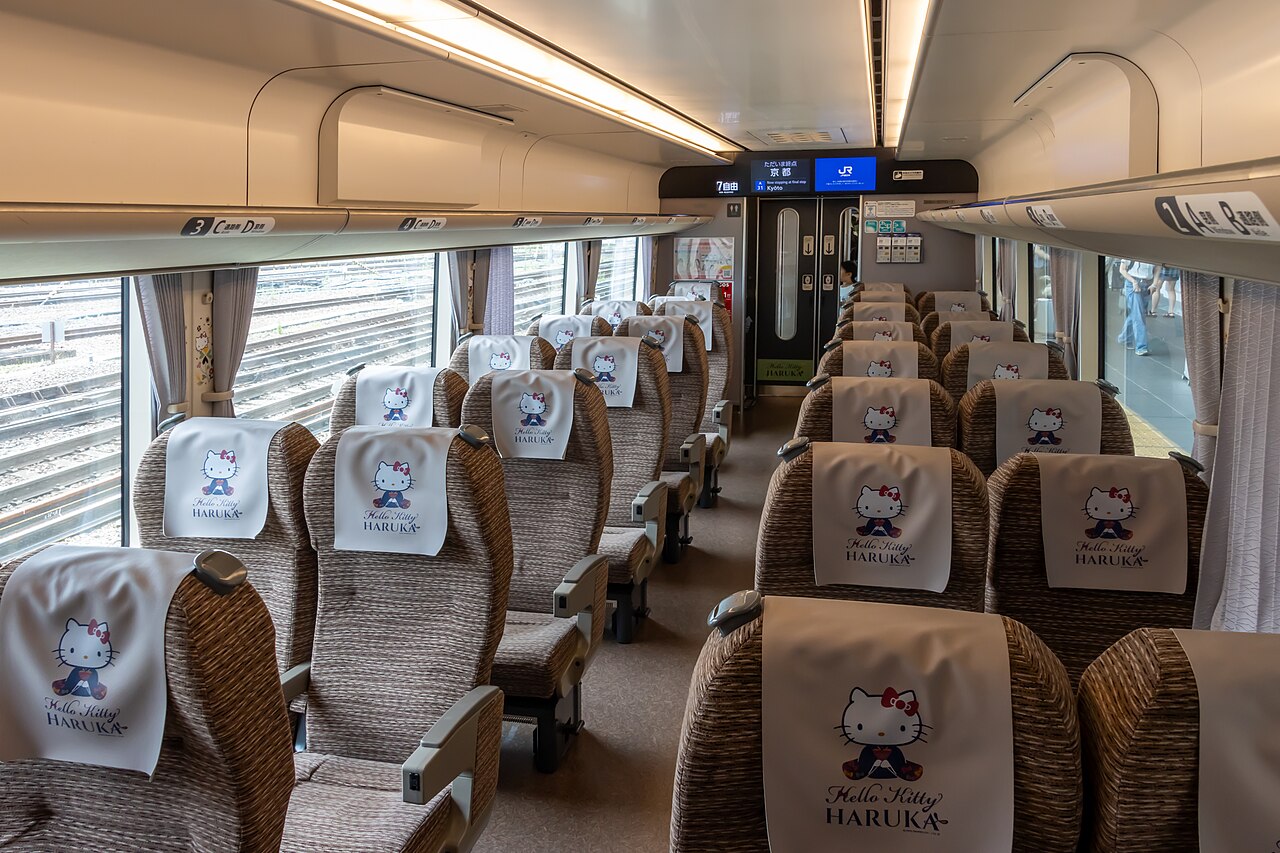
Representative photo: Efficient public transportation, such as trains, is a key component of a smooth and responsible arrival in Kyoto. Photo: Photograph by Mike Peel (www.mikepeel.net). / Wikimedia Commons · CC BY-SA 4.0. Resized for display. Sources checked October 23, 2026.