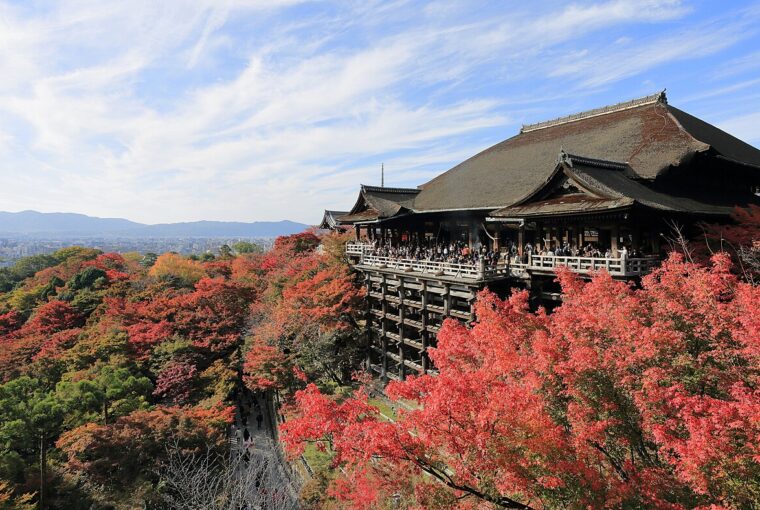
November in Kyoto represents a pinnacle of seasonal beauty, as the ancient capital transforms with vibrant autumn foliage. However, this peak period also creates a significant strain on the city’s infrastructure and residential communities. For the discerning traveler, a successful visit requires shifting from a passive sightseeing mindset to a strategic, preservation-oriented approach. This research-based guide was prepared with AI assistance, and no visit or hands-on test was conducted.
Understanding the delicate balance between tourism and daily life is essential for maintaining the city’s integrity. For those planning their logistics, readers may find value in A Strategic Arrival Plan for Your Kyoto Long Weekend, which offers a framework for managing the initial transition into the city. Additionally, for broader considerations on movement within historic centers, Navigating Historic Cities: An Accessibility Guide provides essential context for navigating older, narrow urban layouts.
The Ethics of Autumn Sightseeing: Neighborhood Etiquette
Kyoto is not a museum; it is a living, breathing city where residential areas often sit in close proximity to major tourist attractions. According to the Kyoto Travel Responsible Travel guidelines (checked on 2026-10-26), the primary responsibility of the visitor is to respect the “aesthetics of cleanliness and purity” that have been cultivated for centuries. This mindset is crucial during the high-traffic month of November when the density of visitors can overwhelm local infrastructure.
The Gion district, in particular, requires careful behavior. While it is one of the most photographed areas, it is also a residential neighborhood. Travelers must adhere to strict rules: do not stop, touch, follow, or take unauthorized photos or videos of geiko (geisha) or maiko (apprentice geisha). These individuals are not tourist attractions, and their daily movements should be respected as private. Furthermore, photography is strictly prohibited in many designated Gion alleys, as well as within specific shrines, temples, and restaurants. Always look for signage indicating photography bans and respect them implicitly; ignoring these rules disrupts the everyday life of residents and contributes to the degradation of the local atmosphere. In a broader context, responsible tourism—as highlighted in global guides like Visit Iceland—emphasizes that small, respectful choices by individual travelers significantly impact the longevity of the destinations we visit.
Leveraging Congestion Forecasts for Strategic Planning
One of the most effective ways to reduce your footprint is to avoid the crowds entirely. The City of Kyoto provides proactive digital tools that should be part of every traveler’s daily planning routine. The Kyoto Travel Congestion Forecast is a vital resource that provides comfort-level forecasts for popular sites, real-time data from live cameras, and suggestions for “hidden gem” areas that remain relatively empty even during peak daytime hours.
By checking these forecasts before leaving your accommodation, you can pivot your itinerary to less crowded zones. This not only improves your personal experience by reducing wait times and sensory overload but also directly alleviates the physical pressure on the city’s most vulnerable historic sites. If a site is marked as highly congested, consider shifting your visit to the early morning or late evening—a strategy that often reveals a more serene, authentic side of the city. This approach is not merely about convenience; it is a deliberate act of responsible travel that prevents the over-concentration of visitors in fragile environments.
Practical Logistics: Waste, Transport, and Preservation
Responsible tourism in Kyoto extends to the minutiae of daily travel. The city promotes the concept of Shimatsu no Kokoro, or a mindful approach to waste. Travelers are expected to carry their own trash bags and ensure they dispose of refuse at their accommodation or in designated disposal containers at establishments. Littering is strictly prohibited and carries significant social and potential legal weight. When traveling, treating a city as if you were a resident rather than a guest is the hallmark of a sophisticated traveler.
Transportation and safety regulations are equally critical for a smooth November visit:
- Smoking: Smoking on streets and sidewalks is banned city-wide outside of designated areas. Violators face a fine of 1,000 JPY. Use the official map of smoking areas to plan your stops.
- Transportation: Prioritize the city’s efficient train and subway networks. If you require a taxi, use only authorized vehicles with green license plates or official ride-hailing apps. Unlicensed “white plate” taxis are illegal and lack the safety inspections and insurance coverage required for passenger transport.
- Bamboo Groves: In areas like Arashiyama and Fushimi Inari, the landscape is fragile. Carving symbols or names into bamboo is considered criminal property damage, with fines reaching up to 300,000 JPY.
- Luggage: To avoid blocking narrow sidewalks and public transit, utilize luggage forwarding services to send bags ahead to your next destination.
Responsible Kyoto Travel Checklist
| Category | Strategic Action |
|---|---|
| Preparation | Download the Kyoto Smart Navi app and check the Congestion Forecast daily. |
| Luggage | Utilize luggage forwarding services to avoid blocking narrow sidewalks and public transit. |
| Etiquette | Maintain a quiet demeanor in residential areas and near religious sites. |
| Waste | Carry a small, reusable bag for personal trash; do not rely on public bins. |
| Safety | Use only green-plated taxis; avoid unlicensed ride-sharing services. |
By adhering to these guidelines, travelers can ensure their presence in Kyoto contributes positively to the city’s future, helping to preserve its irreplaceable cultural heritage for the generations that will follow. Responsible travel is not about limiting your experience, but about deepening it through awareness and respect for the local context.
Sources
- Responsible Travel | Kyoto Travel – Checked on 2026-10-26
- Visit Iceland | The official travel guide to Iceland – Checked on 2026-10-26
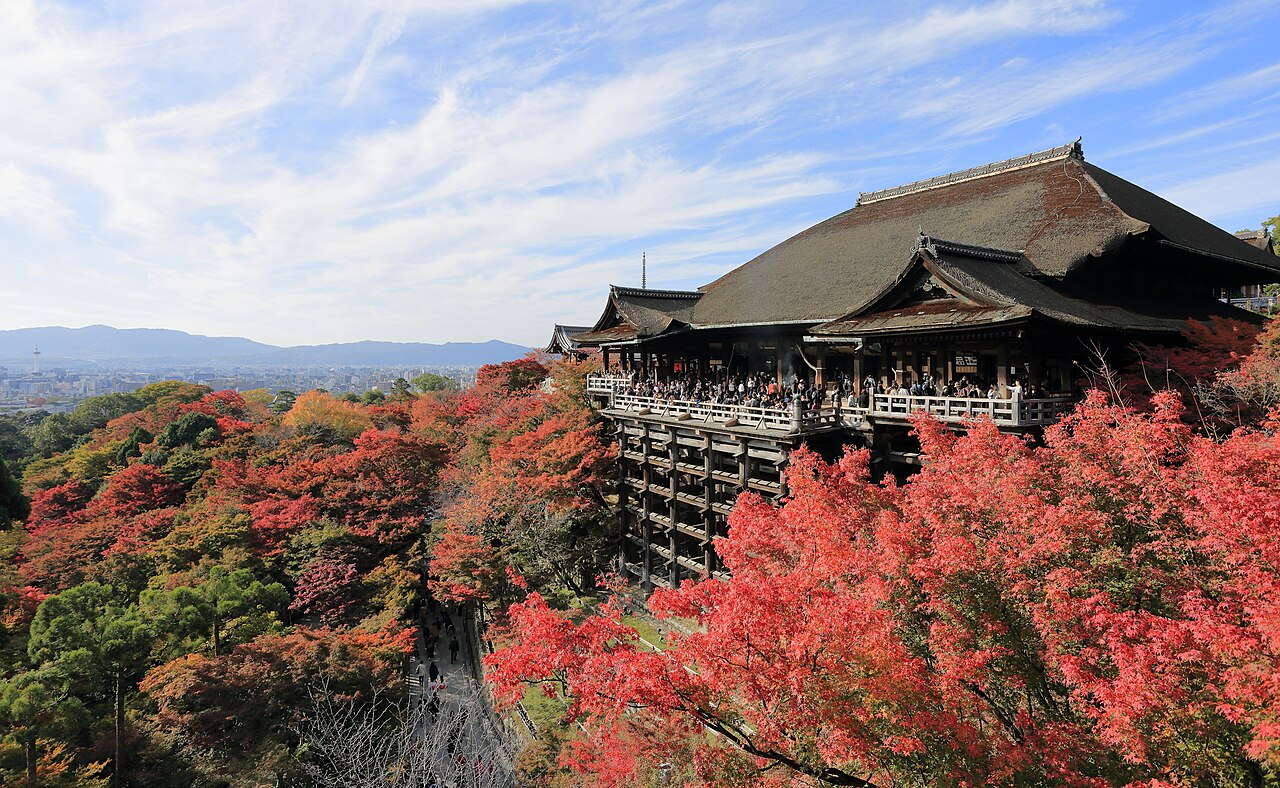
Representative photo: Kiyomizu-dera during the peak November season, highlighting the popular sites that require strategic, respectful visitation to manage congestion and preserve the city’s heritage. Photo: Martin Falbisoner / Wikimedia Commons · CC BY-SA 4.0. Resized for display. Sources checked October 26, 2026.
Advertisement · From our publishing familyDiscover something new ↗