The Logistics of Arrival: Planning Your Museum Entry
For the culturally minded traveler, the late autumn season—falling between the peak summer rush and the holiday crush—offers a unique opportunity to engage with world-class art collections. However, the success of a museum-focused trip depends less on the itinerary and more on the logistical framework you build around it. Major institutions like the Musée du Louvre and London’s National Gallery are complex ecosystems; treating your visit as a managed operation rather than a casual stroll is the hallmark of a seasoned traveler.
The first step in any successful visit is understanding the entry architecture. At the Louvre, the Pyramid serves as the primary entrance, but for those who have planned ahead with time-stamped tickets, the museum also facilitates access through the Carrousel and Porte des Lions entrances during peak times. Similarly, at the National Gallery, the Sainsbury Wing serves as the main entrance. Understanding these entry points is a critical component of how to plan a museum district day, ensuring you spend your time observing art rather than waiting in transit queues.
Navigating Seasonal Closures and Renovations
Museums are living institutions, often undergoing necessary maintenance that can shift the visitor experience. It is a mistake to assume every gallery will be open or every painting will be in its usual place. Both the Louvre and the National Gallery explicitly advise checking their websites for updated room closure schedules before your visit. The Louvre, for instance, provides a list of available galleries and encourages visitors to check for renovations that might impact their itinerary.
This fluidity is why a rigid, hour-by-hour plan often fails. Instead, adopt a flexible approach that accounts for these variables:
- Verify Real-Time Status: Before you leave your hotel, check the museum’s official website for any emergency or scheduled closures.
- Respect Stewardship: When paintings are moved or rooms are closed for renovation, view these as essential preservation efforts rather than mere inconveniences.
- Book in Advance: Time-slot bookings are recommended at the Louvre, even for visitors entitled to free admission. Securing these slots ahead of time is the best way to guarantee your entry in a season where availability can fluctuate.
Accessibility and Comfort: A Proactive Approach
True accessibility in a museum requires more than the presence of an elevator; it demands a proactive assessment of your own needs against the specific facilities of the institution. When evaluating museum accessibility beyond the main entrance, consider the specific amenities available. The Louvre provides extensive information for visitors with physical, visual, and developmental disabilities, including the loan of equipment like prams for families. The National Gallery similarly offers accessible and ambulant toilets near all entrances, and Changing Places facilities in the Sainsbury Wing.
If you are traveling with children or require specific medical accommodations, utilize the resources provided by the museums:
- Loaner Equipment: Many museums offer equipment such as prams or strollers to reduce the physical burden of navigating large halls.
- Security Preparation: Be aware that major museums have strict security protocols. The National Gallery, for instance, prohibits wheeled luggage and cabin bags, and requires all visitors to pass through walk-through metal detectors.
- Audio Guides: Renting an audio guide, such as the one available in nine languages at the Louvre, can provide the necessary context to make a self-guided tour feel as comprehensive as a private, expert-led experience.
By aligning your expectations with the realities of museum operations—from checking closure schedules to understanding bag policies—you transform your visit from a stressful checklist into a restorative cultural experience. Remember that the goal is not to see every room, but to engage deeply with the collection in a way that respects both the art and the institution’s ongoing stewardship.
Note: This is a research-based guide prepared with AI assistance. No visit or hands-on test was conducted at these locations.
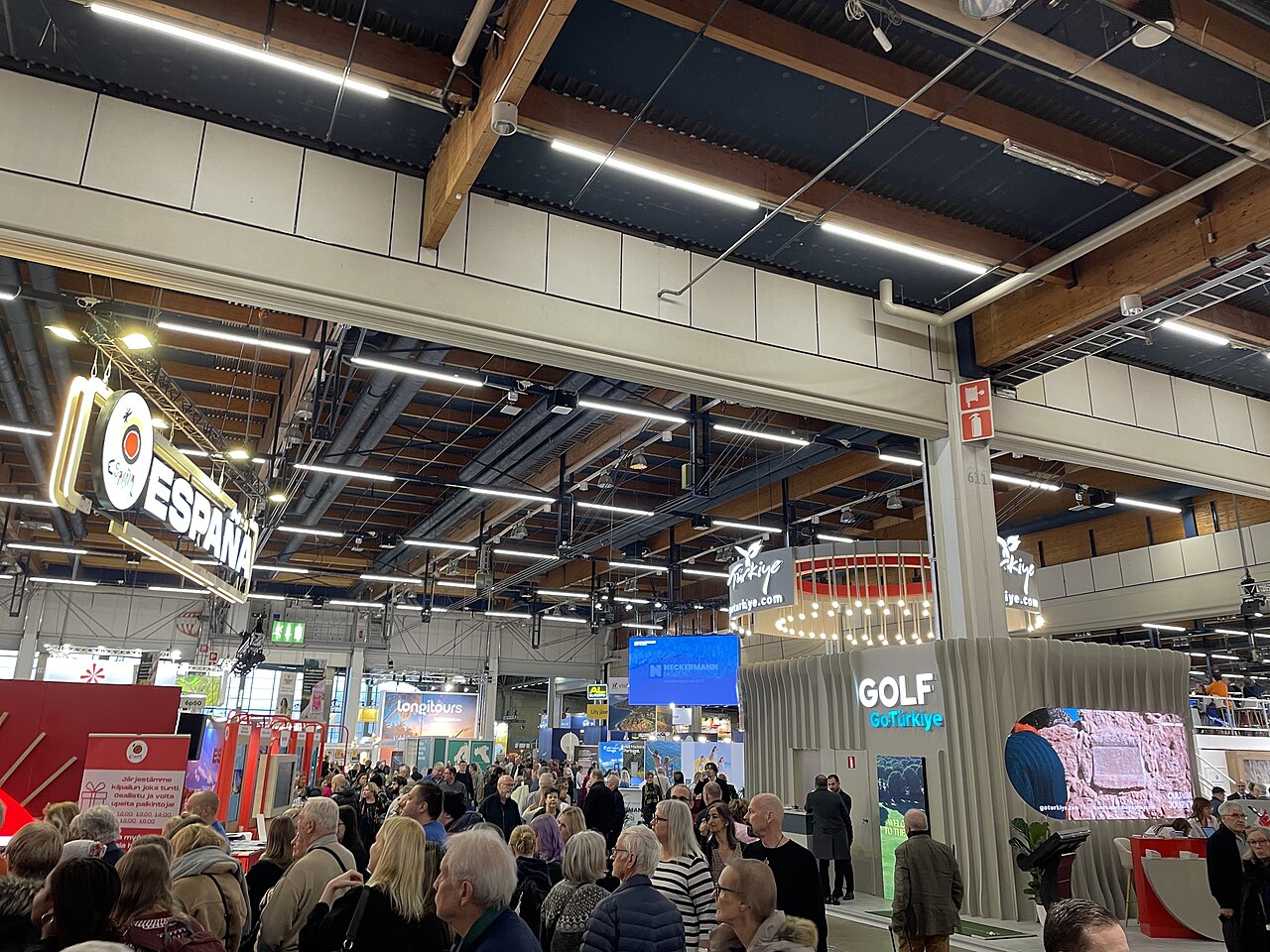
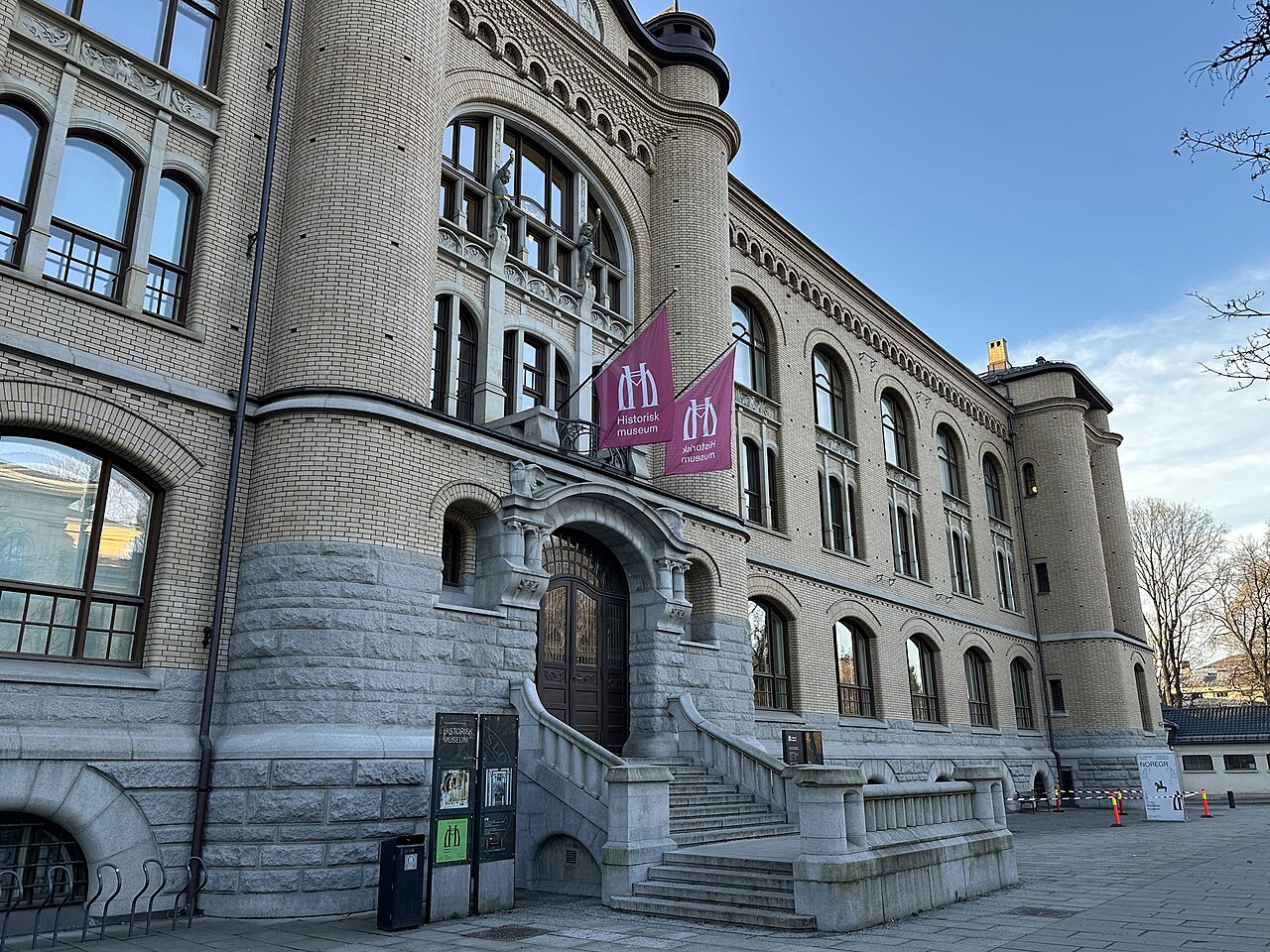
Representative photo showing a museum entrance, highlighting the importance of understanding building architecture when planning your visit. Photo: Wolfmann / Wikimedia Commons · CC BY-SA 4.0. Resized for display. Sources checked October 24, 2026.
Advertisement · From our publishing familyDiscover something new ↗