Note: This research-based guide was prepared with AI assistance. No visit or hands-on test was conducted.
A 48-hour escape to Scotland in late October requires a shift in strategic planning. As the season transitions, the logistical demands of travel increase due to shorter daylight hours and changing weather patterns. By focusing on transit geography and realistic pacing, travelers can maximize a short stay without succumbing to the common pitfall of over-scheduling. When planning a short journey, comparing your options thoroughly is essential, much like evaluating Train or Plane for a Regional Trip? Compare Door to Door to ensure your time on the ground is protected.
Analyzing the Transport Landscape
The first decision in any short-duration trip is whether to rely on regional rail or a rental car. According to the VisitScotland travel planning guide (checked 2026-10-25), travelers have access to a variety of transport modes, including trains, coaches, and car hire. For a 48-hour itinerary, the choice between these modes is critical. Relying on public transport requires strict adherence to schedules, which can be unforgiving if delays occur. Conversely, driving offers flexibility but necessitates an understanding of road conditions in the autumn months.
When deciding on the mode of transport, it is useful to evaluate the total time cost. In Scotland, where weather can impact travel times, it is essential to factor in a buffer. As seasonal shifts demand that travelers build in extra time to account for slower transit speeds, travelers should prepare for transit delays, mirroring advice found in guides on how Build a Travel Backup Plan You Can Actually Use when disruptions occur.
Managing Seasonal Expectations and Weather
Scotland’s weather in late October is inherently unpredictable, making it a central factor in itinerary design. The VisitScotland portal emphasizes that travelers should research what to expect from the weather and plan activities that are resilient to the forecast. Rather than building an itinerary around specific outdoor viewpoints that require clear skies, a strategic plan focuses on the diversity of the landscape—cities, coastlines, and countryside—that remains accessible regardless of the forecast.
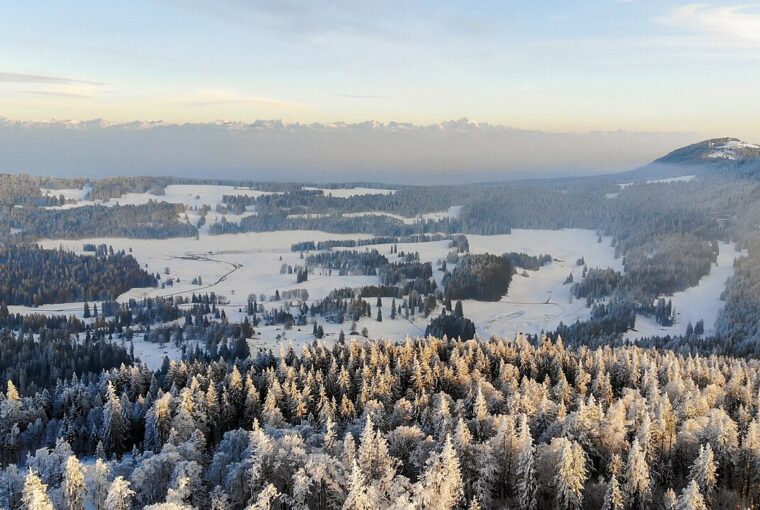
This approach aligns with planning frameworks used in other mountainous regions. The Switzerland Tourism planning portal (checked 2026-10-25) similarly highlights the importance of checking weather forecasts and snow reports, suggesting that effective planning involves selecting activities that match the current environmental conditions. For the Scottish traveler, this means maintaining a flexible schedule where indoor cultural experiences, such as museum visits or historical site tours, serve as reliable alternatives to outdoor excursions.
Structuring the 48-Hour Itinerary
To ensure a 48-hour trip remains restorative rather than exhausting, the itinerary should prioritize depth over breadth. A common error is attempting to cover too many regions in a single weekend. Instead, focus on a single base. This reduces the time spent on logistics and increases the time available for engagement with the destination.
Travelers should also account for administrative requirements. The VisitScotland resources remind visitors to check for local visitor levies and entry requirements, which can vary. Ensuring these logistical details are managed before departure allows the 48-hour window to be used effectively for the intended purpose of the trip—whether that is exploring Scottish culture, history, or the natural landscape. By treating the arrival and departure days as part of the total experience, rather than just transit days, the traveler can maintain a pace that allows for genuine observation rather than a rushed checklist.
Furthermore, understanding regional cultural elements before arrival enriches the brief stay. Whether exploring Gaelic heritage or historical architecture, grounding the itinerary in local context prevents superficial observations. Travelers should consult reliable destination frameworks to ensure their pacing aligns with the local transport and opening hours.
Practical Checklist for Your Scottish Weekend
To execute a seamless 48-hour escape, keep the following planning principles in mind:
- Confirm all transport bookings and check local winter buffer recommendations for regional transit.
- Review the weather forecast daily and maintain a backup indoor itinerary for coastal or rural excursions.
- Verify any applicable visitor levies or regional entry requirements prior to departure.
- Limit your geographic scope to a single base to minimize daily backtracking and transit fatigue.
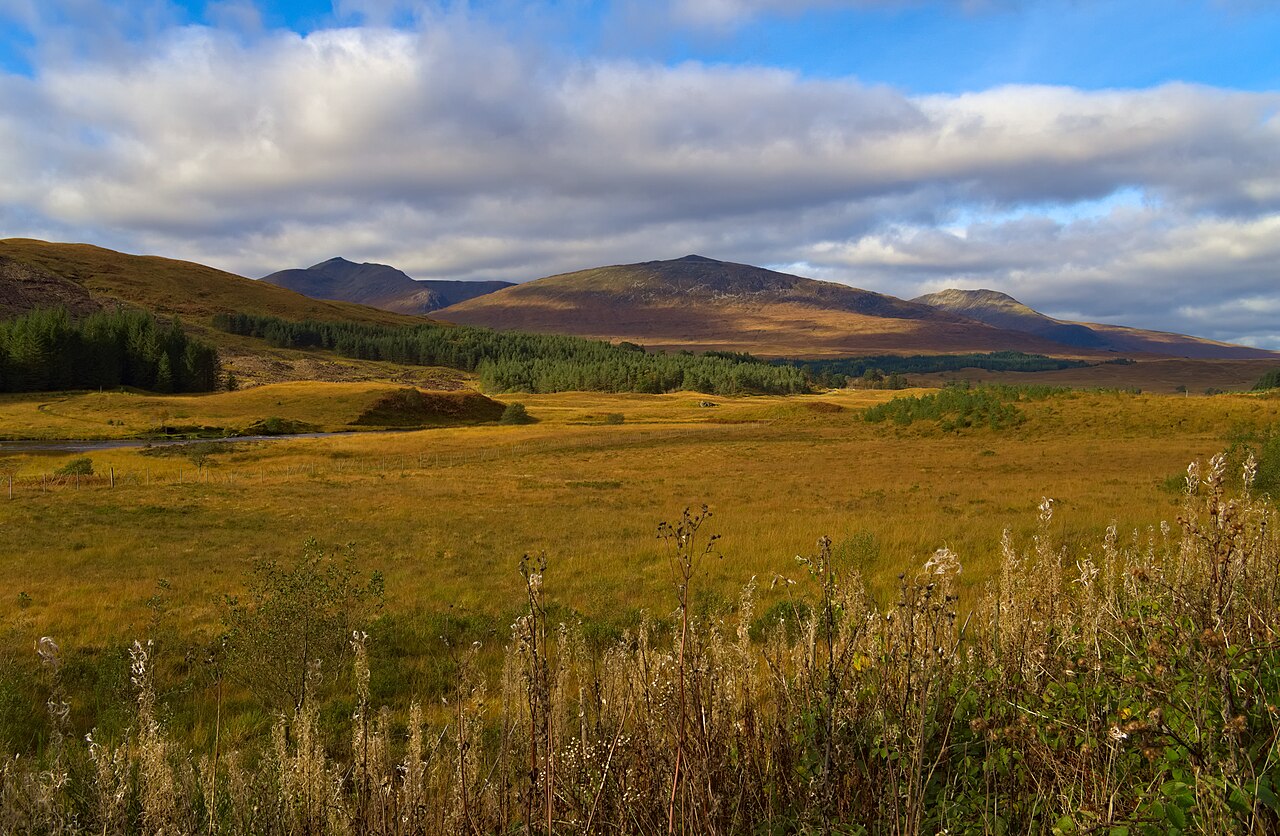
Representative photo: The Scottish Highlands in autumn display the varied, changeable landscapes that require flexible planning for a short-duration trip. Photo: Daniel Kraft / Wikimedia Commons · CC BY-SA 3.0. Resized for display. Sources checked October 24, 2026.