Note: This is a research-based guide prepared with AI assistance and no visit or hands-on test was conducted.
The transition from late autumn into early winter is arguably the most challenging and rewarding window for the dedicated photographer. As the foliage drops and the light shifts to the lower, more dramatic angles characteristic of the approaching solstice, the landscape becomes a canvas of stark contrasts. However, this season is also a period of heightened environmental fragility. Planning a trip during this time requires a departure from standard seasonal travel habits, demanding a more rigorous approach to logistics, equipment management, and ethical conduct.
Logistics for the Traveling Photographer
Before you capture a single frame, the success of your trip is determined by your transit strategy. Transporting specialized camera gear requires proactive planning to minimize stress at security checkpoints. According to the Transportation Security Administration (TSA), the most effective way to ease the screening process is to start with an empty bag. This simple habit prevents prohibited items from previous trips—such as forgotten pocket knives or oversized liquids—from delaying your progress.
When preparing for a late-autumn excursion, consider these logistical steps to ensure your gear remains secure and accessible:
- Empty the bag entirely: Before packing your lenses, bodies, and tripods, start with a completely empty bag to ensure no prohibited items remain from previous trips.
- Manage your liquids: Lens cleaning solutions, sensor cleaners, and other fluids must adhere to the 3.4-ounce (100 mL) rule for carry-on bags. If a substance can be spilled, spread, or sprayed, it must fit within this limit.
- Organize for inspection: TSA officers may need to physically inspect luggage. If you use locks, ensure they are TSA-recognized so they can be opened without being cut.
- Prioritize carry-on for gear: While you can pack some gear in checked bags, keeping essential and expensive camera equipment in your carry-on is a standard practice to prevent damage or loss.
For those traveling into volatile climates, managing the physical integrity of your equipment is equally important. We previously detailed the nuances of equipment care in our guide on Protecting Camera Gear in Changeable Weather, which outlines how to handle the condensation and temperature shifts that often plague photographers in late autumn.
The Ethics of the Late-Autumn Landscape
As vegetation dies back and the ground freezes, the landscape becomes significantly more susceptible to human impact. The Leave No Trace organization emphasizes that the foundation of outdoor photography is minimizing your footprint on these fragile ecosystems. In late autumn, soil is often saturated with moisture or hardened by early frosts, making it prone to erosion if stepped on outside of established trails.
To photograph responsibly, incorporate these principles into your field routine:
- Travel on Durable Surfaces: Stick to established trails. Stepping off-trail to find a better angle can crush dormant vegetation that is already stressed by the changing season. The damage caused by off-trail foot traffic in late autumn can persist well into the spring thaw.
- Take Photos, Not Souvenirs: Leave rocks, plants, and artifacts exactly where you find them. Your photograph is the only souvenir you should be taking home.
- Be Considerate of Others: Late autumn often brings fewer crowds, but this makes the presence of other visitors more noticeable. If you are setting up a tripod, ensure you are not blocking trails or viewpoints for others.
By adhering to these standards, you ensure that the landscapes you photograph remain preserved for others. Remember that your presence is temporary, but the impact of your actions on the environment can be lasting.
Wildlife Observation and Light Quality
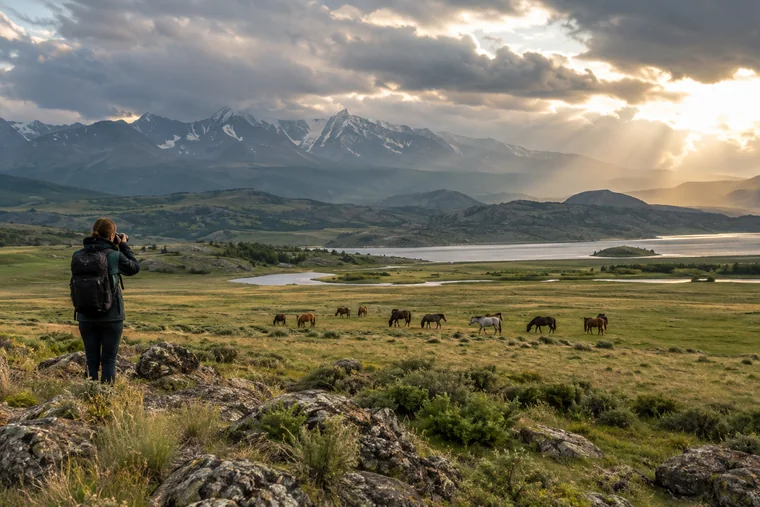
Late autumn is a critical time for wildlife, as animals are often foraging aggressively to prepare for winter. The National Park Service (NPS) emphasizes that while parks offer unique opportunities to view animals in their natural homes, this privilege comes with significant responsibility. Visitors must prioritize the safety of the animals above the desire for the perfect shot.
When photographing wildlife during this transition, keep these ethical guidelines in mind:
- Maintain Distance: Always keep a safe distance from wildlife. If an animal changes its behavior—such as stopping its foraging, looking at you, or moving away—because of your presence, you are too close.
- No Feeding or Touching: Never feed or touch wild animals. This disrupts their natural behaviors and can be dangerous for both you and the animal.
- Respect the Dawn and Dusk: Wildlife is often most active during the low-light hours of dawn and dusk. For specific strategies on how to approach these sensitive times without causing stress to the animals, refer to our article on Photographing Wildlife at Dawn Without Adding Pressure.
The goal of wildlife photography should be to document the animal’s natural life, not to alter it for a photograph. Avoiding the urge to get closer—or to use bait—is essential to maintaining the integrity of the ecosystem you are visiting. By combining these ethical standards with careful logistical planning, you can ensure that your photography trip is both productive and responsible, preserving the very places that inspire your work.
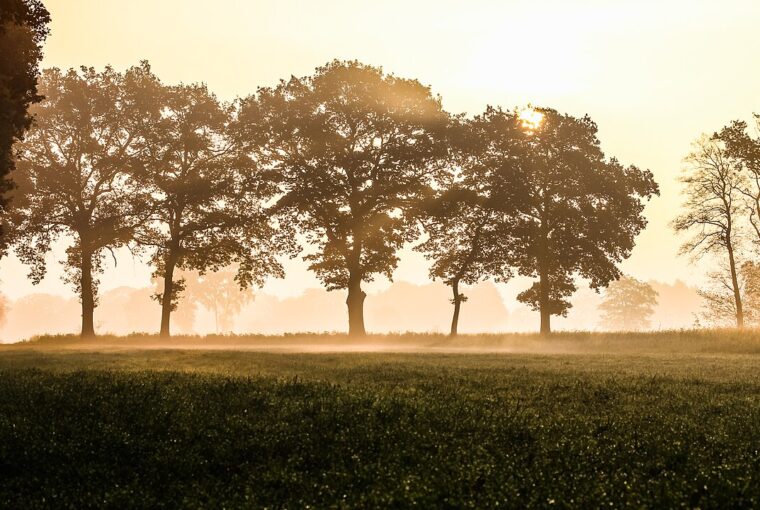
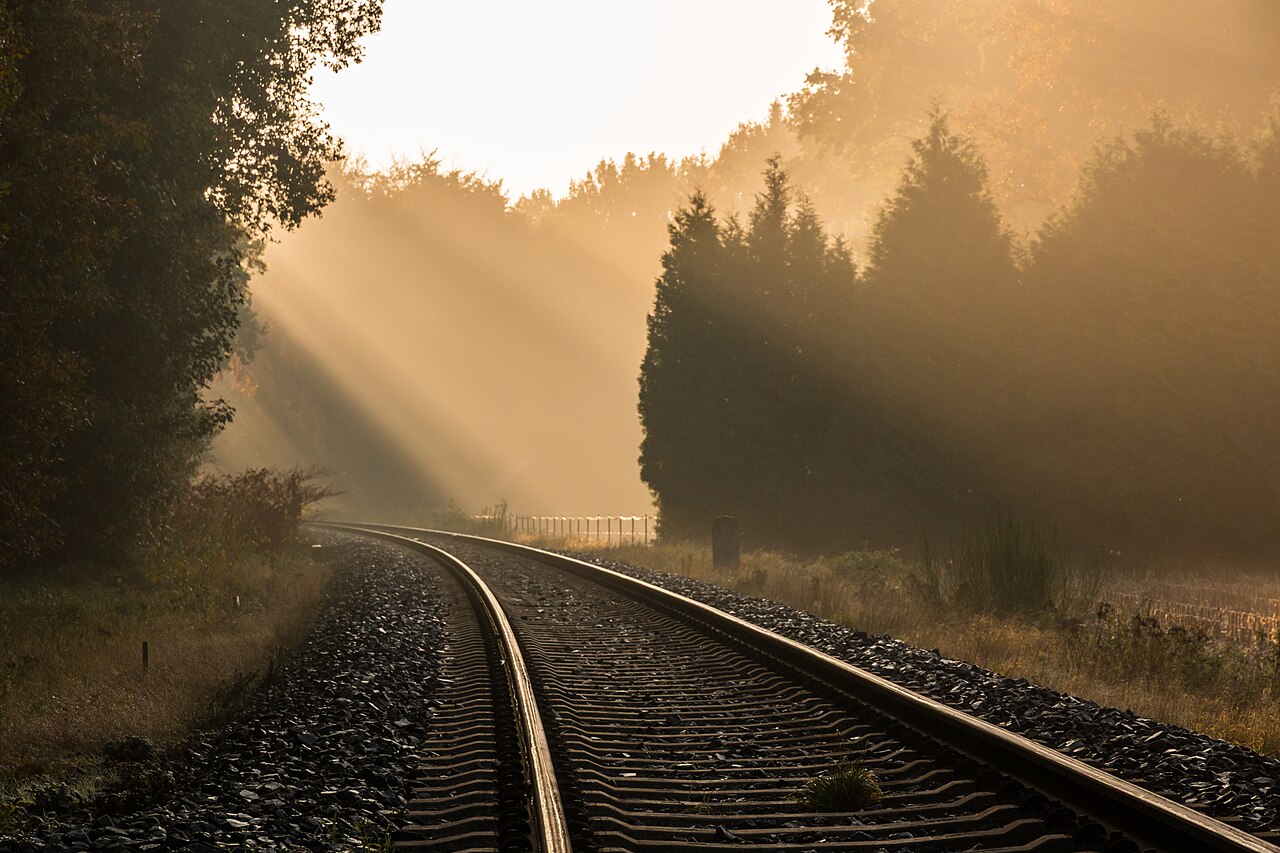
Representative photo; the low-angle light and stark, seasonal atmosphere depicted here illustrate the challenging conditions photographers encounter during the autumn transition. Photo: Dietmar Rabich / Wikimedia Commons · CC BY-SA 4.0. Resized for display. Sources checked October 23, 2026.