The Social Contract of Japanese Tourism
Autumn in Japan is a season of profound aesthetic shifts, drawing travelers to historic districts and vibrant landscapes. However, the experience of visiting Japan requires more than just a well-curated itinerary; it demands a clear understanding of the local social contract. Unlike many Western destinations where tipping is a standard financial transaction, Japan operates on a different cultural framework. As noted by the Japan National Tourism Organization (JNTO), tipping is not expected in bars, cafes, restaurants, taxis, or hotels. The practice of kokorozuke, or gratuity given from the heart, is reserved for specific, rare instances—such as when hiring a private guide accustomed to international practices. If you choose to offer a gratuity in such a scenario, it should be handled with discretion and presented in a small envelope, which can be easily sourced at convenience stores.
This cultural consideration extends to how you move through historic districts. In Kyoto, for instance, respect for residents is paramount. The Kyoto Travel guidelines emphasize that geiko and maiko are not tourist attractions. Visitors are asked to refrain from stopping, touching, or photographing them without permission. Furthermore, photography is strictly prohibited in many private alleys and designated areas within temples and shrines. Respecting these boundaries helps preserve the city’s unique character for future generations. Before you even depart, ensure you have reviewed all necessary entry requirements, as detailed in our guide on International Connections: Check Entry Documents Before You Book to avoid any logistical friction upon arrival.
Navigating Safety and Real-Time Conditions
Autumn is a time of transition, and while Japan is generally safe, travelers should remain aware of local advisories. The JNTO Safe Travel Information portal serves as an essential resource for real-time updates regarding natural phenomena, including seismic activity, volcanic alerts, and weather-related warnings. Before departing for specific regions—such as Kyushu or the Tohoku coast—it is prudent to check the current status of tourist facilities, which are typically updated on regional tourism websites. Relying on official, verified channels is critical. For those concerned about interpreting these alerts, we recommend reviewing our analysis on How to Read a Travel Advisory Beyond the Headline to ensure you are reacting to facts rather than speculation.
Travelers should also be aware of evolving regulations that affect daily logistics. For instance, new rules regarding power banks in carry-on luggage have been in effect since April 2026. Travelers are limited to a maximum of two power banks (each 160Wh or less) in carry-on baggage and are prohibited from using them to charge devices while onboard. Staying updated on these technical requirements is as important as planning your itinerary.
Airport Logistics and Pre-Departure Readiness
Whether you are navigating airport security or exploring a new city, preparation reduces friction. The Transportation Security Administration (TSA) provides foundational advice that applies globally, not just within the United States. Start with an empty bag to avoid carrying prohibited items, and familiarize yourself with liquid rules—specifically the 3.4-ounce (100 mL) limit for carry-ons. For travelers with medical needs, it is not necessary to present medication at a security checkpoint unless it is in liquid form and exceeds the 3.4-ounce limit, in which case you must notify the officer.
Traveler Checklist for Japan
- Pack Discretion: Carry small envelopes for those rare moments where a tip might be appropriate, as suggested by JNTO.
- Verify Local Status: Before heading to regions like Hokkaido or Kumamoto, check the official regional tourism websites linked via the JNTO Safe Travel page to ensure facilities are operating normally.
- Power Bank Compliance: Ensure your portable chargers meet the 160Wh limit and keep them in your carry-on; do not use them to charge devices on the plane.
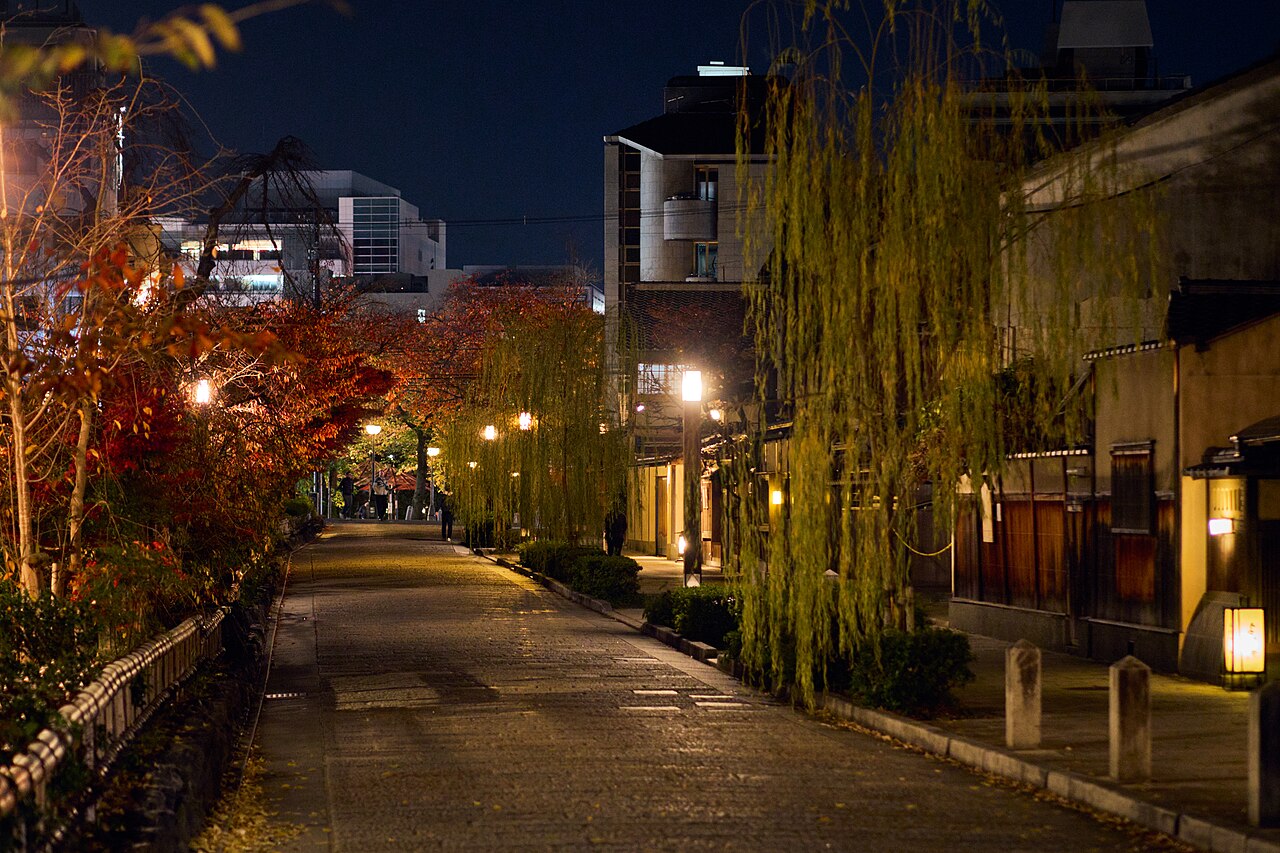
- Respectful Photography: In historic districts like Gion, treat the area as a living neighborhood rather than a set. If a sign says no photography, adhere to it strictly.
- Transit Awareness: Use Kyoto’s public transportation (trains and subways) to avoid the congestion associated with private vehicle travel, especially in narrow, historic streets.
- Medical Supplies: If traveling with medication, keep it in your carry-on for immediate access. You do not need to present pills at security, but liquid medication over 3.4 ounces requires notification to the TSA officer.
Note: This research-based guide was prepared with AI assistance. No visit or hands-on test was conducted.
Representative photo: This image captures the historic atmosphere of a district like Gion, highlighting the importance of respectful behavior and awareness in Japan’s traditional neighborhoods. Photo: lumoplank / Wikimedia Commons · CC0. Resized for display. Sources checked October 23, 2026.