Discover Lake Tahoe
At the edge of Lake Tahoe, the landscape seems to arrange itself in layers: pale granite beneath transparent shallows, a band of luminous blue water, dark pine forest and the Sierra Nevada beyond. Move a few miles along the shoreline and the picture changes again. A broad beach gives way to a sheltered cove; a mountain road reveals a bay that feels almost enclosed by forest.
That variety is Tahoe’s great pleasure. Couples can build a weekend around lakeside meals and quiet walks. Families can alternate beach time with short outings. Hikers find routes into higher country, while photographers can spend an entire morning watching light move across the same shoreline. Winter replaces paddles and picnic blankets with skis, snowboards and snow-covered mountain views.
This Lake Tahoe travel guide helps you choose a season, a home base and a realistic route. The most rewarding trip leaves room to linger: choose one part of the lake each day, reserve the experiences that need it, and let weather shape the rest.
Where Is Lake Tahoe?
Lake Tahoe straddles the California–Nevada border in the Sierra Nevada. Think of it as several connected destinations, rather than one resort town. The South Shore includes South Lake Tahoe, California, and neighboring Stateline, Nevada. The North Shore includes Kings Beach and Tahoe Vista; Tahoe City anchors the northwest corner, and Incline Village sits on the Nevada side to the northeast.
The West Shore connects smaller communities such as Homewood and Tahoma with forested parks and Emerald Bay. The East Shore is known for granite coves and scenic Nevada shoreline. Truckee lies outside the basin to the northwest and can work well for travelers combining Tahoe with surrounding mountain country.
Choose your base around the places you most want to visit. South Shore restaurants and Heavenly access suit a lively, convenient stay; the north and west offer a collection of smaller lakeside communities. Browse the official South Shore visitor guide and Lake Tahoe Travel for local planning resources.
Best Time to Visit Lake Tahoe
Spring: snowmelt, waterfalls and changing plans
Spring is a transition, not a promise of summer conditions. Snow may linger on high trails while lower paths begin to clear. Snowmelt gives waterfalls and streams energy, but also brings muddy ground, slippery crossings and cold water. Some businesses take seasonal breaks. Travelers who enjoy flexible sightseeing and quieter weekdays may find this appealing; anyone planning a specific hike should check its actual condition rather than rely on the month.
Summer: beaches, trails and long lake days
Summer offers the broadest mix of Lake Tahoe summer activities: hiking, kayaking, paddleboarding, beach picnics and scenic drives. It also brings busy parking lots and peak demand for rooms. Book important lodging and timed activities early, then keep the daily plan compact. Carry layers for cool mornings, sun protection for exposed trails, and a shore-based alternative if wind makes paddling unsuitable. High-country snow can outlast the start of summer.
Fall: golden accents and more breathing room
Early fall can balance pleasant outdoor days with fewer midweek visitors, although holidays and fine-weather weekends still attract crowds. Aspens add patches of gold among the conifers; color varies with elevation and weather. The visitor bureau’s fall-color guide highlights South Shore routes and nearby foliage outings. Shorter days reward a slower schedule. Later in autumn, expect reduced services, freezing mornings and the possibility of snow.
Winter: mountain sports and a different shoreline
A Lake Tahoe winter vacation can combine skiing or snowboarding with dramatic lake scenery, warm meals and a comfortable base close to your chosen resort. Snowshoeing is another option on suitable open routes. Winter is also the season to build in travel margins: storms can delay arrivals, close roads and stop lifts. Do not make a full lake circuit essential to your plans. For trip-specific seasonal ideas, consult the official visitor authority.
Best Things to Do in Lake Tahoe
1. Emerald Bay State Park
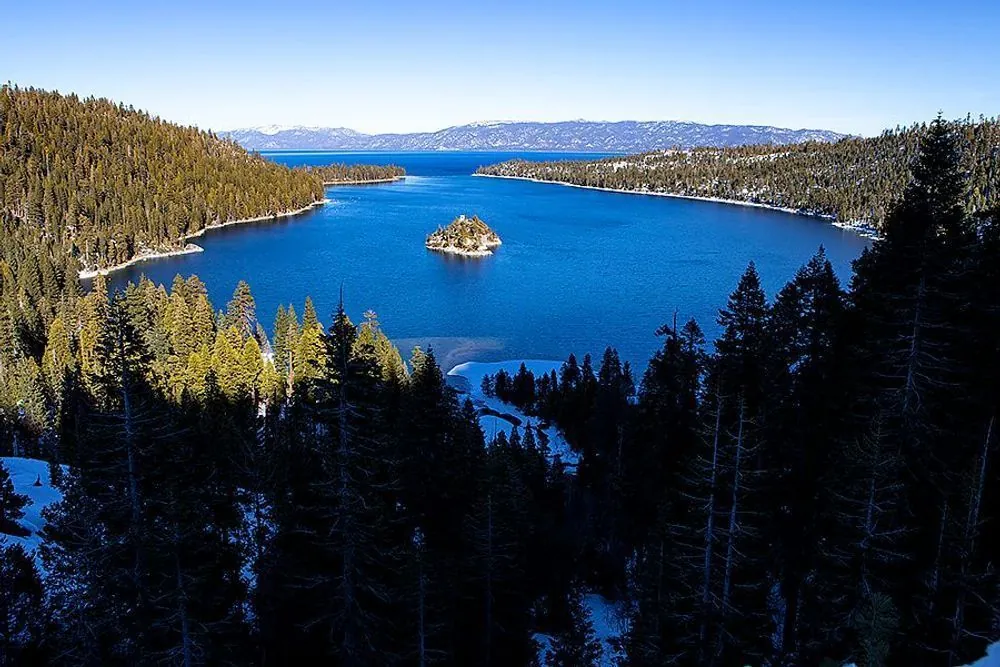
Emerald Bay is the classic Tahoe panorama: a sheltered arm of water, forested slopes and Fannette Island near its center. Begin with the view, then decide whether to descend to the shore. The main Vikingsholm route is two miles round trip, with roughly 400 feet of climbing on the return. It is not an easy lakeside stroll. Parking is limited, oversized vehicles face restrictions, and roadside parking is enforced. Check California State Parks for access and fees.
2. Sand Harbor State Park
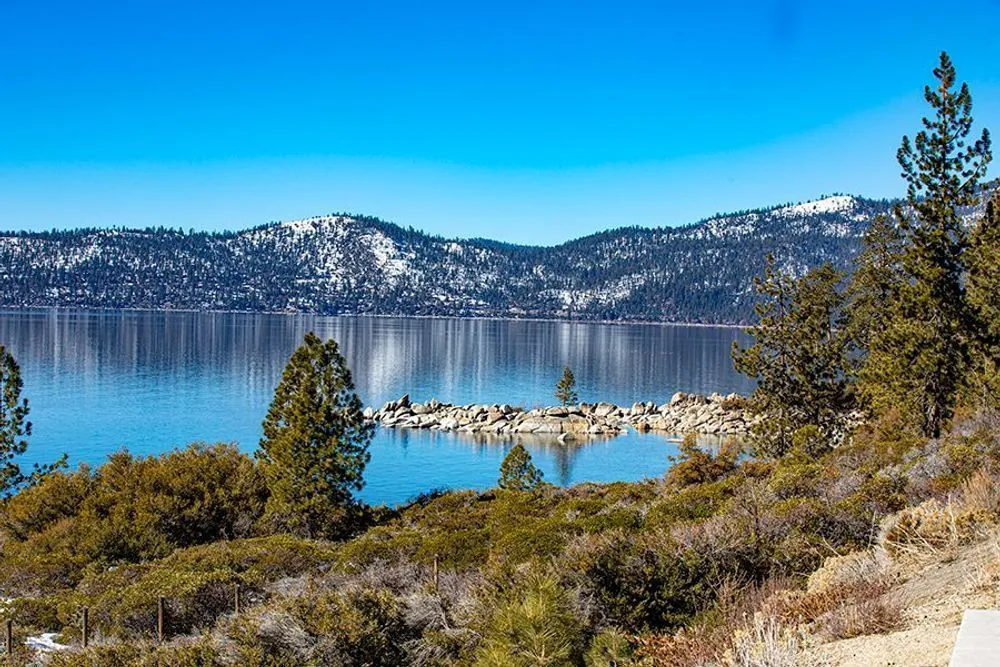
Sand Harbor brings sandy beaches and sculptural granite together on the Nevada shore. Allow time for both the beach and a shoreline walk. Summer morning vehicle access requires advance planning: Nevada’s reservation page lists May 15–September 30 and entry by 10:30 a.m., while other official text gives conflicting start dates or a 10 a.m. cutoff. Check your exact date at Reserve Nevada, follow the confirmation, and ask the park if details conflict. Later entry depends on capacity. See the park page and reservation rules; do not count on a spontaneous midday parking space.
3. Inspiration Point
For a shorter outing above Emerald Bay, Inspiration Point offers an elevated perspective with paved viewing areas. It pairs naturally with other southwest-shore stops, without requiring the descent to Vikingsholm. Parking and Highway 89 access determine whether the stop is practical. Winter surfaces can be icy and restrooms are not available in winter. The official visitor listing explains facilities; check road conditions before setting out.
4. Heavenly Mountain Resort
Heavenly combines winter skiing and riding with seasonal sightseeing above the lake. Its gondola makes an appealing option for travelers who want mountain views without a long climb. Wind, weather and operating calendars still govern access. Summer activities are reached through the Heavenly Village gondola, with separately paid village parking. The resort’s current guidance says parking reservations are no longer needed for 2026–27, although older FAQs remain on the page. Check the season-specific parking guidance and operating hours before buying.
5. Tahoe Rim Trail
You do not need to hike the entire 165-mile Tahoe Rim Trail to appreciate its mountain setting. Choose a manageable out-and-back section, turn around while you still have energy, and treat elevation as part of the effort. Trailheads, snow and water availability vary widely. The Tahoe Rim Trail Association provides day-hike ideas and segment-by-segment conditions. Check permits for your exact route, especially in wilderness areas; overnight trips need additional preparation.
6. Vikingsholm
Vikingsholm adds architecture and history to an Emerald Bay outing. Its Scandinavian-inspired design rewards a closer look when interior tours operate. The foundation listed 2026 tours from May 23 through September 30, so they have ended for this year; future dates need confirmation. Consult the Sierra State Parks Foundation for tickets and access. Allow time for the steep walk back uphill and do not assume tour availability follows park opening hours.
7. D. L. Bliss State Park
D. L. Bliss offers beaches and access to the lakeside Rubicon Trail. Its reopening after infrastructure work does not mean year-round vehicle access: the park lists off-season vehicle closure beginning October 1, 2026. Pedestrian access can involve about a mile to the nearest Rubicon trailhead or a steep two-mile walk to the beaches, with no off-season water or restrooms. In summer, arrive early or later in the day for limited parking. Check the current park notice before committing to a visit.
8. Kings Beach
Kings Beach is a practical North Shore choice for a beach-centered day, with picnic areas and nearby places to eat. It works especially well when the group prefers an easygoing afternoon to another drive. The state recreation area lists hours of 6 a.m.–9 p.m.; parking charges and access notices should be checked before arrival. Dogs are restricted from the sandy beach. Find current details at California State Parks.
9. Tahoe City
Tahoe City gives a North or West Shore itinerary a useful pause: browse the town, walk by the lake, and make time for a meal. It is a convenient place to replenish supplies before a park day. Choose a legal town parking space and explore on foot rather than moving the car between short stops. Pair it with Kings Beach on a separate North Shore day, or use it as the beginning of a West Shore outing.
10. South Lake Tahoe
South Lake Tahoe and adjacent Stateline suit travelers who like options close at hand. Heavenly Village, restaurants, lodging and nearby lake access can fill an arrival afternoon without a demanding expedition. Stay near the activities that matter to you: the area spreads farther than a single walkable center. A relaxed first day also gives you time to adjust to altitude before a longer hike or ski session.
11. Scenic drives around Lake Tahoe
The approximately 72-mile lake circuit is an introduction to Tahoe’s varied shores. The official scenic-drive guide maps notable stops. Set aside a full day if you want meals and short walks, rather than treating the loop as a quick transfer. Better still, split it across your stay. Stop only in legal pullouts, keep the driver’s attention on the road, and abandon the circuit if closures or congestion make it impractical.
12. Kayaking and paddleboarding
A low perspective on the water reveals shoreline textures you miss from the road. Rent near your intended launch and choose a short route that matches your ability. Tahoe’s cold water, wind and boat traffic deserve respect even on a sunny day. Wear a properly fitted life jacket, check a marine forecast and ask the outfitter about return conditions. Follow the Lake Tahoe Water Trail’s safety guidance and Clean, Drain and Dry practices for paddlecraft.
13. Hiking and outdoor recreation
Mix one ambitious outing with shorter walks, beach time or cycling on a suitable designated route. Pack water, food, layers and an offline map; start with a distance everyone can comfortably finish. Respect closures, fire restrictions and food-storage rules. Wildlife should have room to move away without being followed. Our responsible-travel guide offers a useful framework for making visits gentler on the places you enjoy.
Where to Stay in Lake Tahoe
The best address reduces daily driving. Before choosing a room, list your two or three essential activities and check their location, parking and travel routes.
- South Lake Tahoe and Stateline: useful for Heavenly, varied dining and southwest-shore outings. Couples seeking a resort stay can consider Edgewood Tahoe. Its website currently notes event-space construction through January 2027; confirm potential effects on your room and visit.
- North Lake Tahoe: Kings Beach, Tahoe Vista and neighboring communities suit beach days, families and travelers combining several northern attractions. A kitchen can simplify early starts and meals for a group.
- Tahoe City: a strong choice for town convenience and West Shore exploration. Granlibakken Tahoe is an option for a forest setting near town; compare its room and townhouse configurations with your party’s needs.
- Incline Village: convenient for Nevada-side outings and the East Shore. Verify beach access explicitly: proximity to water does not automatically give a visitor entry to private or restricted facilities.
- Quieter surrounding communities: Homewood and Tahoma can suit a slower West Shore stay. Truckee offers an inland mountain-town base, but reaching the lake adds driving. Confirm winter driveway access, parking, heating and the full rental terms.
These are researched options, not personal hotel ratings. Compare the total stay price, including taxes, parking and mandatory fees, and read cancellation terms. For help choosing a lodging style, see Resort or City Hotel? Choose the Stay That Fits Your Trip.
Where to Eat
Build meals into the shore you are already exploring. Crossing the lake for dinner can turn an easy evening into another long drive. The following businesses had active official dining information when checked October 7, 2026; confirm service on your date.
- Christy Hill, Tahoe City: a lake-view setting with seasonal Modern American cooking and a wine program. Consider it for a slower dinner; check the current opening days and reserve ahead.
- Gar Woods Grill & Pier, Carnelian Bay: an option for a North Shore lunch or dinner. Its official site lists daily lunch and evening service. Combine it with a day around Tahoe City or Kings Beach.
- The Bistro at Edgewood Tahoe, Stateline: a South Shore choice with daytime and dinner menus, including children’s options. Check reservations and current access during the resort’s event-space work.
Balance a planned restaurant meal with a bakery stop or groceries for a picnic. Carry food in appropriate storage, use designated picnic areas and take every scrap away. Ask restaurants directly about allergies and accessibility rather than relying on an old menu photograph.
Getting There and Getting Around
By air: Reno–Tahoe International Airport is the principal nearby commercial gateway. Sacramento International is another option, with a longer drive across the Sierra. Compare the entire journey, including flight timing, rental-car pickup and weather. RNO lists both North Lake Tahoe Express and South Tahoe Airporter; reserve an appropriate transfer and verify the drop-off location before choosing lodging.
By road: common approaches include Interstate 80 toward Truckee and the North Shore, U.S. 50 toward South Lake Tahoe, and Nevada routes connecting Reno and Carson City with the basin. As planning allowances in clear, light-traffic conditions, budget roughly 45–75 minutes from RNO to Incline Village and 75–120 minutes to South Lake Tahoe. These are estimates, not live journey times; traffic, stops and storms can add substantially.
Without a car: a carefully located hotel can support a trip centered on one shore. TART offers free services in the north; Tahoe Transportation District provides South Shore and regional planning information. Lake Link provides free on-demand service within its operating zones, with transfers for some journeys. Check hours, coverage and equipment policies. Remote trailheads and dawn photography usually need more deliberate transport arrangements.
Winter driving: check Caltrans QuickMap and Nevada 511 before departure and again before entering the mountains. All-wheel drive does not remove every chain requirement. Confirm the rental company’s traction-device policy and follow Caltrans chain-control guidance and roadside instructions. During a major storm, postponing the drive may be the sensible plan. Keep supplies and warm clothing accessible; never use an unmaintained shortcut to bypass a closure.
Lake Tahoe Travel Costs
Tahoe has no single reliable daily price: season, weekend demand, lodging style and paid activities change the total considerably. Request live quotes for your actual dates. A kitchen, midweek stay and fewer cross-lake drives can help control costs without diminishing the scenery.
- Accommodation: budget by room or rental, not per person, then add taxes, resort or cleaning fees and overnight parking. Compare cancellation flexibility alongside price.
- Dining: separate groceries and casual meals from destination dinners, drinks, tax and gratuity. As a dated reference, the Bistro’s online menu checked October 7, 2026 lists its burger at $29 and char-grilled chicken entrée at $44 before additional charges; these are examples from one resort restaurant, not Tahoe-wide averages.
- Transport: include rental days, fuel, airport transfers and parking. Free local transit can reduce costs where its routes fit your plans.
- Parks: official pages checked October 7, 2026 list Vikingsholm parking at $10 per day or $3 for one hour, D. L. Bliss vehicle day use at $10, and Sand Harbor vehicle admission at $10 for Nevada vehicles or $15 for non-Nevada vehicles. Nevada also lists a $5 advance reservation transaction fee, waived for same-day reservations. Availability and seasonal access remain separate issues.
- Activities: obtain dated quotes for gondola rides, lift access, lessons, equipment rentals and guided outings. A ski day can involve several separate purchases; a walk and picnic may mainly involve transport and parking.
Use this simple budget: all-in lodging + transport + daily food allowance + reserved activities + parking + a contingency. Price references: Bistro menu, Emerald Bay, D. L. Bliss, Sand Harbor and Nevada reservations.
Photographing Lake Tahoe: A Landscape Photographer’s Paradise
Lake Tahoe landscape photography offers both scale and detail. A sweeping mountain view can become a study of submerged stones when you move closer to the shoreline. Reflections, conifers, snow and changing water color give the same location very different moods across the year.
Choose the scene before the lens. Emerald Bay’s elevated viewpoints lend themselves to layered compositions with forest, island and distant ridges. Sand Harbor’s granite encourages lower viewpoints, provided you remain on safe, permitted surfaces. A wide-angle lens can emphasize foreground rock; a standard zoom often makes cleaner arrangements, while a longer lens can isolate a mountain or a small area of reflected light. Keep the horizon level and inspect the edges for distracting branches.
Work with the light. Sunrise can bring quiet conditions and delicate color; sunset may illuminate clouds or mountain slopes rather than the water directly in front of you. Check the sun’s direction for the date, not just its rising and setting times. Arrive early enough to look around, but only where legal opening hours and parking permit it. Sand Harbor is not an unrestricted pre-dawn location. Midday can still work for clear-water studies when glare is controlled.
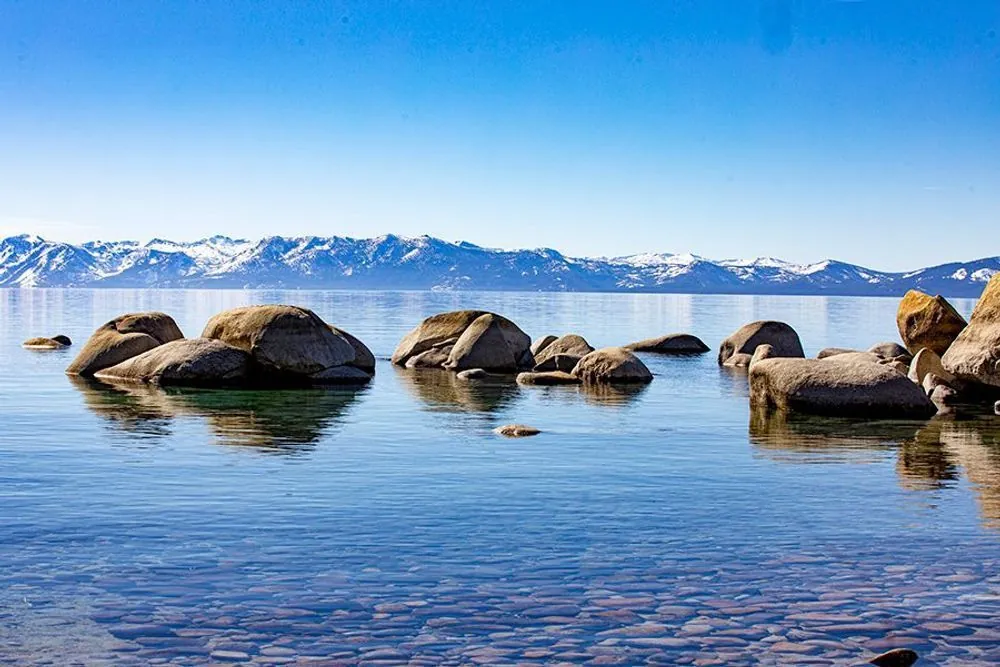
Use filters thoughtfully. Rotate a polarizing filter while watching the water: reducing glare can reveal stones, but it may also remove a reflection that makes the picture. At very wide angles, strong polarization can create uneven skies. Try a frame with less polarization before moving on. A tripod helps at low shutter speeds and for careful composition; keep its legs out of narrow paths and never trade secure footing for a closer angle.
Let the season change your approach. Spring combines lingering snow with moving water. Summer invites shoreline texture and higher-country views where trails are open. Fall adds warm foliage against blue water; winter simplifies the landscape into snow, dark trunks and open lake. Protect batteries from cold, carry lens cloths, and let equipment warm gradually inside its bag to reduce condensation. Check road and trail access before planning a dawn departure.
Keep wildlife wild. Use distance and a longer lens; do not bait animals, block their movement or approach for a portrait. If an animal changes its behavior because of you, give it more space. Stay off fragile vegetation and respect posted photography and drone restrictions. Artistic Creationz’s Tahoe collection demonstrates Neal Nachman’s work with shoreline structure, reflections and winter landscapes. These photographs offer creative inspiration, not a guarantee of access or conditions.
Experience Lake Tahoe Through the Lens
A guided photography experience can make room for the parts of a trip that ordinary sightseeing often rushes: scouting a composition, waiting for light and returning to a promising scene. Artistic Creationz Photography, the magazine’s affiliated photography business, is developing a Lake Tahoe summer experience with Neal Nachman and Liz Stokes. Its current page describes a planned tour with free, non-binding early interest; joining does not reserve a place. Consult the page for the latest development status and future departure information.
Explore Lake Tahoe Photography Tours — learn about the planned experience and how to express early interest.
Editor’s Note: Artistic Creationz Photography and Elite Travel Magazine are affiliated. Photography and tour information are provided for readers interested in exploring Lake Tahoe through landscape photography.
Suggested Lake Tahoe Itineraries
These routes suit the snow-free visitor season, subject to actual trail conditions and operating dates. Driving allowances below are planning estimates for clear roads and light traffic, excluding parking searches and stops. In winter, choose one shore and replace beach or hiking days with confirmed resort activities and short accessible outings.
3 days: major highlights without a constant rush
- Day 1 — South Shore arrival. Settle into South Lake Tahoe or Stateline. Walk locally, have an unhurried meal and consider Heavenly sightseeing only if arrival time and operations allow. Keep the afternoon light.
- Day 2 — Emerald Bay and the southwest shore. Allow roughly 30–45 minutes from central South Lake Tahoe to the Emerald Bay area before delays. Visit Inspiration Point and choose either the Vikingsholm descent with a seasonal tour or a suitable shorter walk. Pack lunch and leave room for the return climb. D. L. Bliss is an optional alternative when vehicle access is open, not another compulsory stop.
- Day 3 — East Shore scenery. Allow roughly 50–75 minutes from Stateline to Sand Harbor before traffic. Build the day around your confirmed admission arrangements; enjoy a shoreline walk or a locally arranged paddle in suitable conditions. Have lunch around Incline Village. Keep airport departure separate from a tightly timed park visit.
5 days: add the North Shore and a slower day
Follow the first three days, then move to Tahoe City or the North Shore if convenient. A change of base helps avoid repeated round trips.
- Day 4 — Tahoe City, Carnelian Bay and Kings Beach. Explore Tahoe City on foot, stop for lunch along the north shore and spend the afternoon at Kings Beach. Allow about 20–35 minutes between Tahoe City and Kings Beach before stops or queues. Choose a single evening restaurant near your lodging.
- Day 5 — a trail or a rest day. Select a Tahoe Rim Trail day hike that matches the group’s ability and current conditions, or rent a paddlecraft near your base. Keep the afternoon open for reading by the lake, a short walk or another photographic session. Avoid scheduling a strenuous hike immediately before a flight.
7 days: explore more deeply
Use the five-day plan, ideally with a South Shore and a North/West Shore base, then add two days that respond to conditions rather than chasing every landmark.
- Day 6 — the West Shore. Head toward Homewood and Tahoma for a relaxed outing. If D. L. Bliss is open and parking is available, make a beach visit or an out-and-back Rubicon walk the main event. Allow roughly 35–50 minutes from Tahoe City to the Bliss area before delays. During off-season vehicle closure, choose an accessible alternative rather than treating the long walk to the beach as incidental.
- Day 7 — Truckee or a return to your favorite shore. Explore Truckee for a change of setting, allowing roughly 25–40 minutes from Tahoe City in clear conditions, or revisit a favorite Tahoe location in different light. Protect a weather contingency: this day can replace an earlier outing lost to wind, smoke or rain. If flying out, prioritize the transfer and a generous airport margin.
Reserve accommodation, important meals and any required park entry first. Then confirm seasonal tours, equipment rentals and resort operations. Our packing guide can help you organize layers and essentials around the final plan.
Lake Tahoe Travel FAQs
Is Lake Tahoe worth visiting?
Yes, particularly if lakes, mountain scenery and outdoor time are central to your ideal vacation. Its appeal extends beyond strenuous recreation: viewpoints, town walks and meals with a view can make a satisfying visit.
How many days should you spend there?
Three full days offer a good introduction. Five allow a more balanced trip across several shores, while seven leave space for longer outings and weather changes. Travel days should not automatically count as full sightseeing days.
What is the best month to visit?
September is a good starting point for travelers seeking outdoor variety after the busiest summer period. July and August suit classic beach holidays; winter travelers should choose around resort operations and snow conditions. No month guarantees clear skies, open trails or fresh snow.
Is North Lake Tahoe or South Lake Tahoe better?
Choose the South Shore for a convenient mix of Heavenly access, restaurants and southwest-shore sights. Choose the north or west for smaller communities and a trip centered on those beaches and trails. The better choice shortens your daily journeys.
Do you need a rental car?
It helps for multiple shores, remote hikes and early photography. A car-free trip can work with an airport transfer, well-located lodging and verified transit routes. Check the first and last services before committing.
Can you visit Lake Tahoe in winter?
Yes. Plan around snow sports and accessible shoreline scenery, but allow for chain controls, road closures and lift interruptions. Stay close to your main activities and give arrival and departure days room to change.
Where are the best scenic viewpoints?
Emerald Bay and Inspiration Point are classic elevated views. Sand Harbor offers shoreline granite, while Heavenly provides a mountain perspective when sightseeing operates. Access and light determine which is best on a particular day.
Where can visitors photograph Lake Tahoe?
Begin with legally accessible Emerald Bay viewpoints, Sand Harbor during permitted hours and public shoreline areas near your base. Reflections, mountain layers and seasonal foliage reward patient observation. Check land-manager rules and avoid private beaches, unsafe roadside stops and closed trails.
Editorial method: visitor logistics were checked against the linked park, transit, resort, restaurant and tourism sources on October 7, 2026. Driving times are editorial planning allowances. Recheck official notices close to departure, especially for Sand Harbor reservations, D. L. Bliss seasonal access and winter roads.