Adventure & Outdoors

Set a Trail Turnaround Time Before Starting

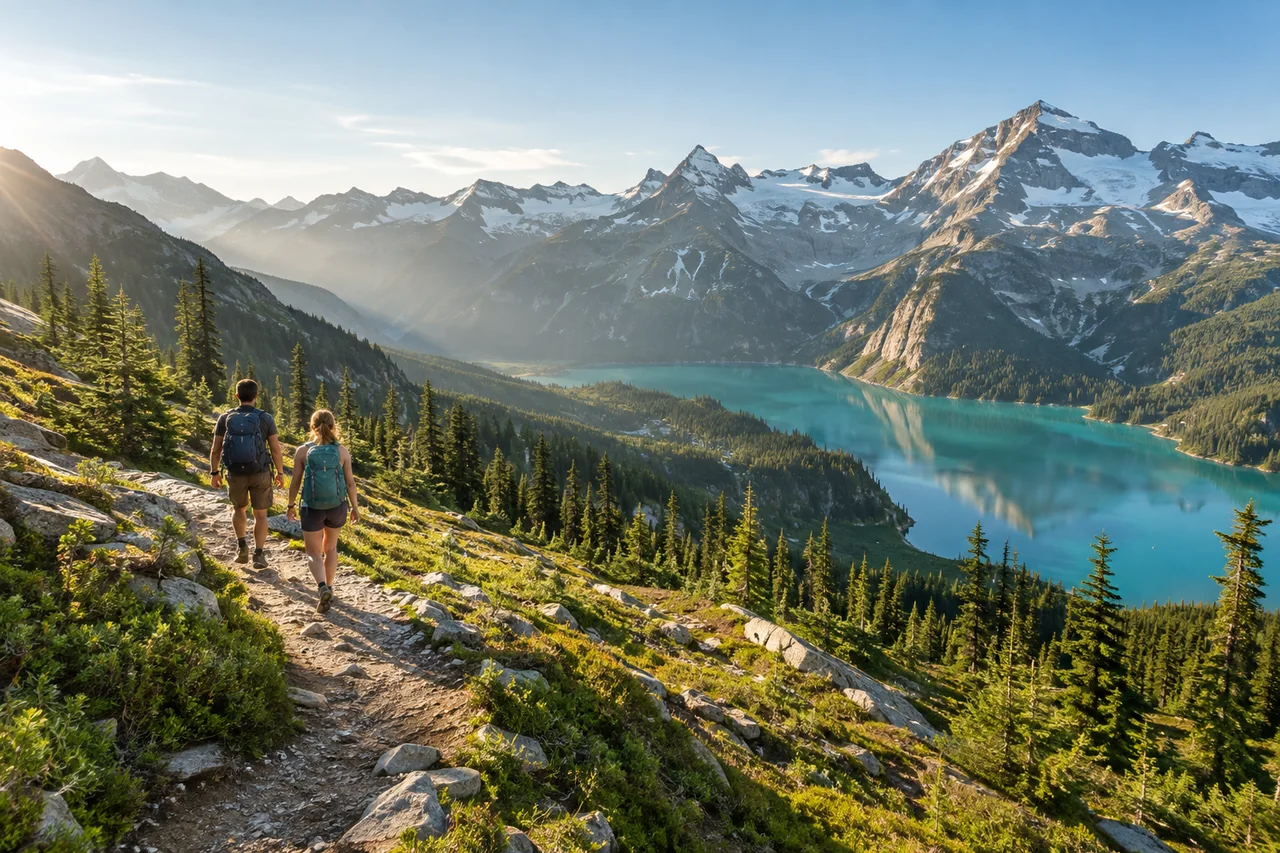
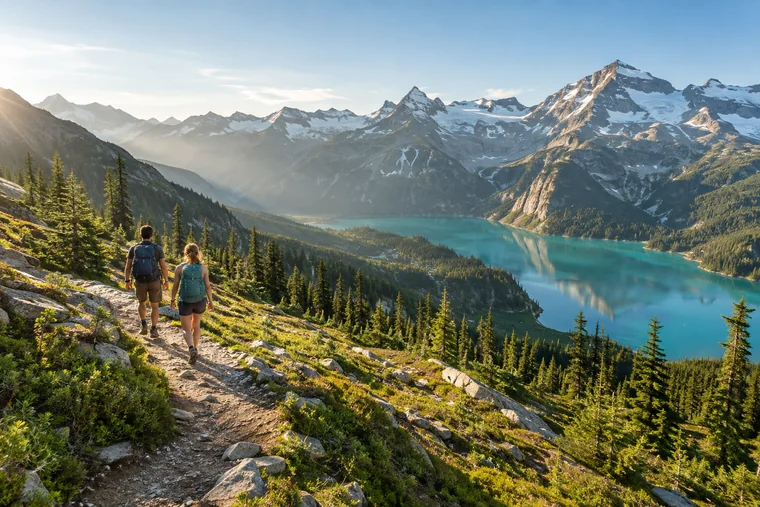
Concept illustration: Hikers following a marked alpine trail

Concept illustration; not a photograph of a named property, destination or reported experience.

A turnaround time protects daylight and energy when the destination still feels close. It should account for the slower direction, stops and deteriorating conditions.

Why this matters

Choose the time from official distance and daylight information, state it to the group and turn back when it arrives regardless of summit pressure.

Make the plan usable

Use official conditions, conservative timing and qualified expertise for the actual activity. Record the details that would be difficult to recover during a delay, and leave enough margin to change the plan when the evidence changes.

Questions worth answering

  • What is the turnaround point?
  • Which permit applies?
  • How can conditions change?
  • Who makes the stop decision?

Verify before travel

Schedules, access, prices, policies and conditions can change. Check current official information and confirm any detail that would determine whether the trip works.
The contributor

Neal Nachman

Neal Nachman is Publisher and Editor of Elite Travel Magazine, published by Full Access Media Group. He writes and edits travel coverage spanning destinations, trip planning, culture and visual storytelling. An award-winning photographer with more than 35 years of professional experience, his photographic background includes wildlife, landscapes, travel and entertainment. He brings that visual perspective to the magazine’s coverage while distinguishing researched planning guidance from firsthand reporting.

View contributor stories →

Continue the journey.

The next chapter, in your inbox

A little more world.
A little less ordinary.

Sign up for updates from Elite Travel Magazine.