Decoding the New Pricing Landscape
As travelers move into the late-autumn season, the operational realities of booking hotels have shifted significantly. Since May 12, 2025, the Federal Trade Commission’s (FTC) Rule on Unfair or Deceptive Fees has mandated a more transparent approach to how short-term lodging costs are presented to the public. For the discerning traveler, this regulatory shift is an opportunity to perform a more rigorous audit of potential stays before committing to a reservation.
According to the FTC’s guidance on the Rule on Unfair or Deceptive Fees, businesses are required to disclose the total price upfront, encompassing all mandatory fees that cannot be reasonably avoided. This means that “resort fees” or “service charges” that were previously revealed only at the final checkout screen must now be included in the initial advertised total. When evaluating a property for a November getaway, your first step should be to confirm that the price displayed on the search results page is the price you will pay, excluding only government taxes, shipping, or truly optional ancillary services. If you encounter a “facility fee” that is mandatory, it should be included in the upfront total. As you research, consider the advice in our guide on how to read a hotel before you book, which emphasizes looking beyond the surface-level marketing to understand the operational standards of the property.
The Accessibility and Operational Audit
Transparency extends beyond pricing; it is equally vital when considering the accessibility of a property. The Americans with Disabilities Act (ADA) ensures that businesses serving the public must provide equal opportunity to access goods and services. As noted by the Department of Justice’s ADA.gov resources, businesses must make reasonable modifications to policies and practices to accommodate guests. For a late-autumn trip, this means verifying that the hotel’s accessibility claims are not just theoretical but operational.
When auditing a hotel, look for evidence of physical accessibility that goes beyond the main entrance. This includes accessible routes, parking, and common areas. Remember that the ADA requires businesses to remove architectural barriers where it is “readily achievable” to do so. If you have specific accessibility needs, do not hesitate to contact the property directly to ask about the current status of these features. An accessible itinerary is built on the foundation of reliable transitions, and ensuring your hotel is fully prepared to support your needs is a critical component of that process.
Integrating Loyalty and Arrival Logistics
For frequent travelers, the loyalty program terms often dictate the quality of the stay. However, loyalty status should not replace a critical assessment of the property’s logistics. Reviewing documents such as the Marriott Bonvoy Loyalty Program Terms & Conditions can provide clarity on what benefits you are entitled to, but it is equally important to understand the property’s specific operational policies. Loyalty is a contract, and understanding the fine print regarding point redemption and property-specific exclusions is part of a strategic travel plan.
Furthermore, consider your arrival logistics. The Transportation Security Administration (TSA) travel tips remind us that the journey begins long before you reach the hotel lobby. If you are traveling with medical equipment or require specific assistance, the TSA provides clear guidelines on how to navigate security efficiently. Integrating these transit realities with your hotel stay—such as checking if the hotel offers accessible shuttles as part of their transit services—is a hallmark of thoughtful travel planning. For those interested in the finer details of what makes a property worth your time, our guide on what thoughtful hotel design really means offers a framework for evaluating whether a property’s physical environment aligns with your needs.
A Practical Audit Checklist
Before finalizing your November travel plans, use this framework to audit your potential hotel stay:
- The Pricing Audit: Does the advertised price include all mandatory fees? If not, verify if the excluded fees are government-imposed or genuinely optional.
- The Accessibility Audit: Have you confirmed the hotel’s accessibility features match your specific requirements? Are there accessible routes from the arrival point to the room and common areas?
- The Logistics Audit: Have you reviewed the property’s specific policies on arrival times, shuttle services, and loyalty benefit applicability?
- The Documentation Audit: Keep your loyalty terms and booking confirmation documents accessible offline, as recommended for all travel planning.
Note: This guide is a research-based overview prepared with AI assistance. No hands-on testing, hotel visits, or booking simulations were conducted. Travelers should always consult official government resources and direct hotel policies for the most current information.
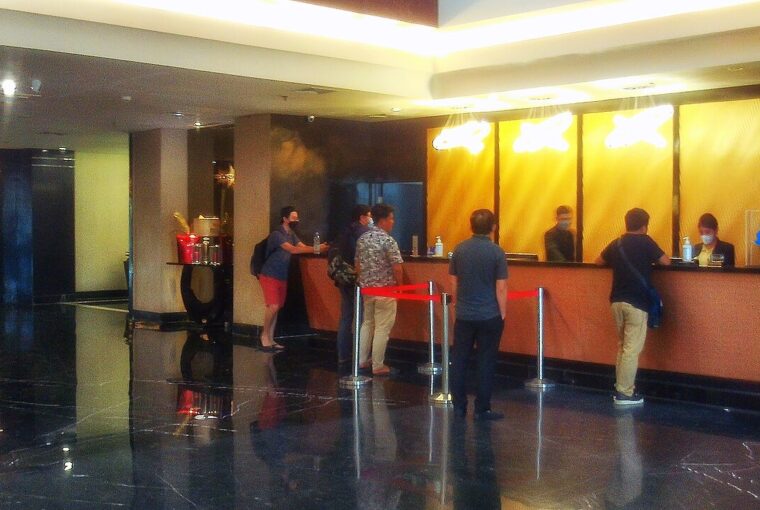
Representative photo showing a hotel lobby, which serves as the primary point of arrival and a key area for assessing accessibility and operational standards. Photo: w_lemay / Wikimedia Commons · CC BY-SA 2.0. Resized for display. Sources checked November 9, 2026.
Advertisement · From our publishing familyDiscover something new ↗