The scorecard
How we reviewed it: Research-based comparison of cited public sources; no visit, sailing or hands-on test.
Note: This guide is a research-based review prepared with AI assistance. No hands-on visits, travel tests, or booking trials were conducted. All regulatory information is based on current guidelines as of November 2026.
As travelers prepare for the high-volume transit weeks of November, the operational landscape for booking and security has shifted significantly. For the modern traveler, the challenge is no longer just finding a route, but interpreting the increasingly complex requirements for fee transparency and security documentation across air, rail, and cruise sectors. This review evaluates the logistical frameworks of these three transit modes, focusing on how recent regulatory changes and established security protocols should inform your planning.
The Transparency Shift: A Fee Audit
The travel industry is currently operating under a new regulatory reality regarding pricing. As of May 12, 2025, the FTC’s Rule on Unfair or Deceptive Fees (16 C.F.R. Part 464) has fundamentally altered how short-term lodging and ticketed events are marketed. According to the Federal Trade Commission, businesses must now disclose the total price upfront, including all mandatory fees that cannot be reasonably avoided. This is a critical development for travelers.
When reviewing your upcoming holiday bookings, look for this transparency. If you are comparing a city hotel stay versus a cruise package, you should expect the total price to be more prominent than itemized fees. However, the rule allows for the exclusion of government charges, shipping, and optional ancillary goods from the initial total. This means that while the base “mandatory” price is clearer, the final checkout screen remains the most important document in your planning process. For a deeper dive into how to interpret these costs, see our guide on Decoding Travel Prices. When comparing transit modes, prioritize platforms that display the final “all-in” cost early in the funnel, as this indicates compliance with the new standards and reduces the risk of “bait-and-switch” pricing.
Security Logistics: A Comparative Framework
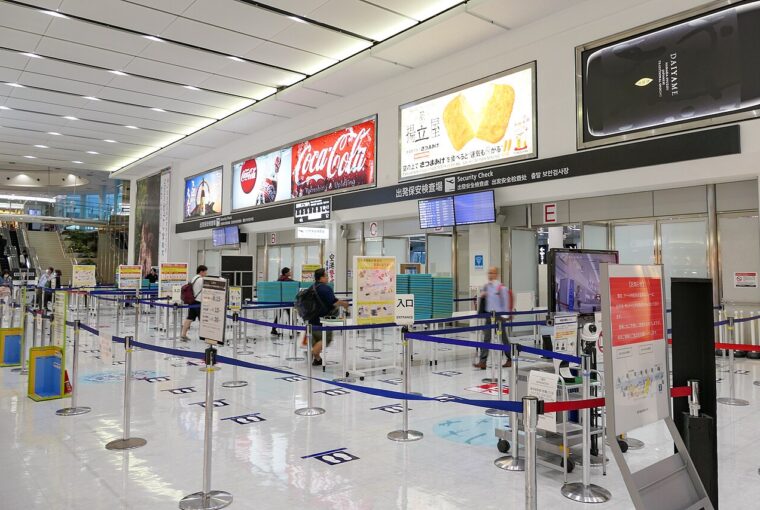
The complexity of your transit experience is largely dictated by the security framework of your chosen mode. Air travel remains the most labor-intensive for the passenger, primarily due to the stringent requirements managed by the TSA. The Transportation Security Administration provides specific guidance that acts as the baseline for all air travel planning. The “What Can I Bring?” tool is an essential, if often overlooked, resource for minimizing checkpoint friction.
In contrast, rail and cruise travel offer a different set of logistical challenges. While air travel requires a strict adherence to the 3.4-ounce liquid rule and specific carry-on protocols, rail travel—such as that managed by Amtrak—focuses more on baggage guidelines and ticket management via mobile applications. Cruise travel, as outlined in Royal Caribbean’s documentation, places a heavier emphasis on pre-cruise documentation and health/safety services. When comparing these, consider the “buffer time” required. Air travel requires an arrival buffer for security screening, while cruise travel requires a robust documentation buffer to ensure all travel papers are verified before embarkation. For more on navigating these disparate requirements, review our analysis on Navigating Air and Cruise Transit Regulations.
Operational Buffers: Planning for the Arrival
The most effective strategy for November travel is to treat arrival and departure days as active components of your itinerary, rather than mere transit gaps. This is particularly true for travelers using connecting services or mixed-mode transit (e.g., train to airport).
The November Checklist
- Verify Documentation: Whether flying or cruising, ensure all identification meets current standards. For air travel, this means confirming your REAL ID or passport status well before your departure date.
- Audit the Fees: During the booking process, confirm that the “total price” displayed is inclusive of all mandatory resort or service fees. If a site hides these until the final payment page, it may be failing to comply with the current FTC transparency standards.
- Pre-Screening Preparation: For air travelers, the TSA’s advice is consistent: arrive early to allow for the full security process. If you have medical conditions, utilize the TSA Cares program (855-787-2227) at least 72 hours before departure.
- Digital Readiness: Download the necessary transit apps (Amtrak, airline, or cruise line) to keep your tickets, boarding passes, and documentation offline and accessible.
Ultimately, the “best” transit mode for your November trip depends on your tolerance for pre-departure logistics. Air travel provides the fastest transit but requires the most significant preparation regarding security and liquid management. Rail and cruise travel offer more relaxed baggage and security frameworks but demand higher attention to booking documentation and total-cost transparency. By aligning your choice with these distinct operational realities, you can mitigate the friction inherent in the late-autumn travel season.
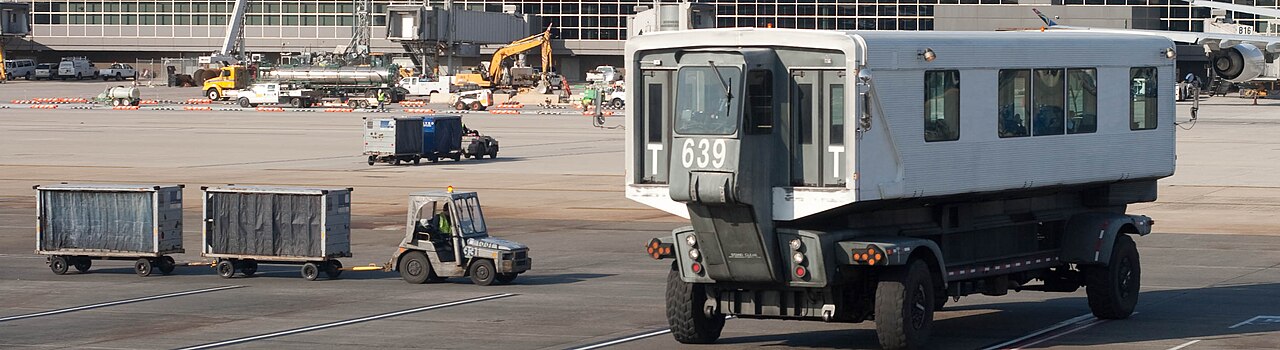
Representative photo illustrating the operational complexity of air travel, highlighting the logistical infrastructure passengers must navigate during busy holiday periods. Photo: paul_houle / Wikimedia Commons · CC BY-SA 2.0. Resized for display. Sources checked November 6, 2026.
Advertisement · From our publishing familyDiscover something new ↗