Planning accessible travel during the late-autumn and holiday season requires a structured approach to federal standards, transit networks, and security protocols. This research-based guide provides a foundational framework for travelers with disabilities preparing for journeys between November 10 and the end of 2026, combining official guidelines from federal agencies with practical planning steps. No hands-on testing or destination visits were conducted for this guide, which was prepared with AI assistance based entirely on official documentation from the National Park Service (NPS), the Americans with Disabilities Act (ADA), Amtrak, and the Transportation Security Administration (TSA).
Understanding your rights and available accommodations before departure transforms complex transit hubs into manageable routes. For broader background on seasonal preparation, consult our guides on Planning Accessible Holiday Travel: A Proactive Guide and Mastering Accessible Travel: A Strategic Planning Guide.
Federal Access Standards and Public Accommodations
Public accommodations across the United States are governed by strict federal legislation designed to ensure full participation for travelers with disabilities. According to ADA.gov (checked 2026-11-03), Title III of the Americans with Disabilities Act applies to almost all businesses open to the public—including hotels, restaurants, shops, and privately operated transit such as hotel and airport shuttles. Businesses are required to provide equal access, make reasonable modifications to policies when necessary, and permit service animals even in establishments with strict ‘no pets’ policies. Accommodations extend to effective communication aids, accessible seating, and physical barrier removal when readily achievable.
Similarly, federal lands managed by agencies like the National Park Service offer specific structural provisions under the Architectural Barriers Act of 1968. US citizens or permanent residents with a permanent disability can acquire a free lifetime Access Pass, which provides entrance fee exemptions across federal lands managed by six participating agencies, as detailed by the National Park Service (checked 2026-11-03). Visitors should consult individual park websites ahead of time to verify specific amenities, such as borrowing availability for wheelchairs, accessible camping spots, and audio or visual aids.
Navigating Rail Transit and Station Accessibility
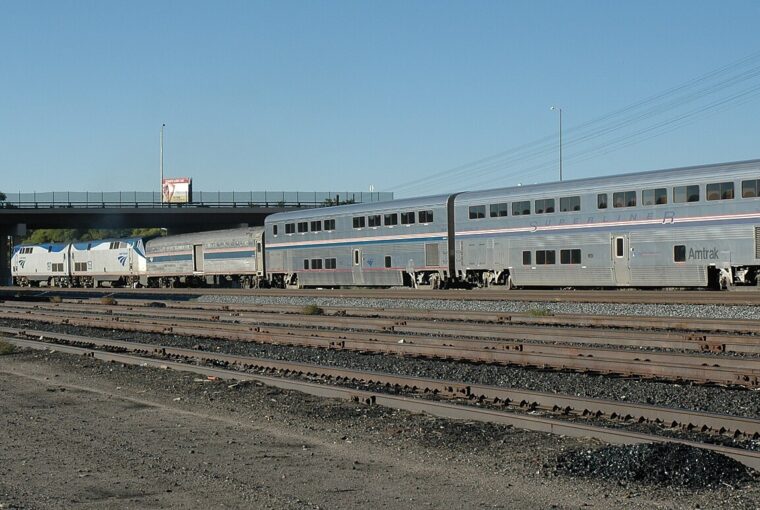
Rail travel offers a reliable alternative to highway driving during changeable late-autumn weather, provided passengers verify station and onboard accommodations in advance. Amtrak provides comprehensive assistance for passengers utilizing wheeled mobility devices, service animals, and specialized seating arrangements. According to Amtrak Accessible Travel Services (checked 2026-11-03), accessible cars feature transfer seats designed with extra legroom and nearby folding space for wheelchairs, alongside dedicated wheelchair spaces where passengers may remain in an occupied mobility device without requiring lockdown mechanisms.
- Verify Station Accessibility: Check specific station platforms and lift availability prior to booking your ticket to confirm step-free access points.
- Reserve Accessible Space Early: Certain trains require advance reservations for wheelchair spaces or companion seating to ensure proper spacing.
- Connecting Bus Services: Ensure that any connecting Amtrak Connection bus routes are lift-equipped and noted properly in your reservation details.
- Service Animal Documentation: Review guidelines for including service animals across all segments of your itinerary, noting that they are permitted in all passenger areas.
- Oxygen and Dietary Needs: Coordinate in advance if traveling with authorized oxygen equipment or requiring specialized dietary options during onboard meal services.
Airport Security and Medical Supply Screening
Air travel security checkpoints managed by the Transportation Security Administration require careful preparation, particularly for passengers traveling with durable medical equipment, prescription medications, or mobility aids. According to TSA Travel Tips (checked 2026-11-03), travelers should notify officers about medical devices or assistive equipment prior to screening. Passengers do not need to remove attached medical devices such as insulin pumps during standard walk-through metal detector or pat-down screenings, though sensitive gear may undergo secondary testing.
- Medication Preparation: Keep essential medications in carry-on baggage for immediate access. Liquid medications exceeding 3.4 ounces are permitted in reasonable quantities but must be declared at the start of the screening process.
- Checkpoint Communication: Utilize TSA notification cards to discreetly communicate medical conditions, device placements, or mobility limitations to security officers.
- Alternative Screening: Request private screening or visual inspections of sensitive medical items and prescription drugs before X-ray tunnels are utilized.
- Arrive Early: Allow ample time for parking, baggage check, and specialized equipment screening procedures to minimize holiday travel stress.
- Gift Management: When traveling with holiday gifts during the late-autumn season, utilize gift bags or boxes with removable lids to facilitate easy inspection by security officers without damaging wrapped packaging.
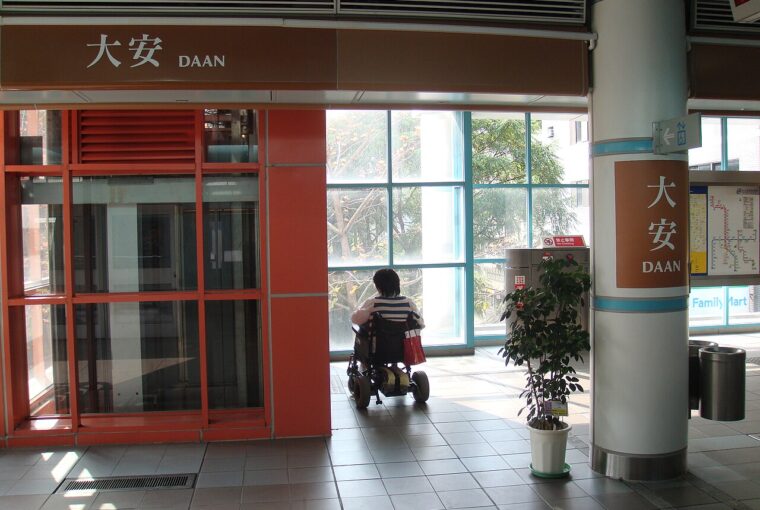
Representative photo showcasing a modern train station platform relevant to accessible rail transit planning discussions. Photo: ZemplinTemplar / Wikimedia Commons · CC BY-SA 4.0. Resized for display. Sources checked November 3, 2026.
Advertisement · From our publishing familyDiscover something new ↗