The scorecard
How we reviewed it: Research-based comparison of cited public sources; no visit, sailing or hands-on test.
The Regulatory Shift in Booking Logic
As of May 12, 2025, the travel industry in the United States underwent a significant structural change under the Federal Trade Commission’s Rule on Unfair or Deceptive Fees (16 C.F.R. Part 464). For travelers planning trips in November 2026, this regulatory framework fundamentally alters how you should approach the audit of your travel costs. This review examines how to leverage these transparency requirements to avoid deceptive pricing during your booking process.
Note: This is a research-based guide prepared with AI assistance; no visit or hands-on test was conducted.
The core objective of the FTC rule is to ensure that businesses disclose the total price of short-term lodging and live-event tickets upfront. Previously, travelers often encountered “drip pricing,” where mandatory fees were added only at the final stage of checkout. Under the current regulations, businesses must include all mandatory fees—those you cannot reasonably avoid—in the total advertised price. This includes resort fees or cleaning fees that were once hidden until the final confirmation page. According to The Federal Trade Commission’s FAQ, while taxes, government charges, and shipping fees can be excluded from the initial total, mandatory ancillary goods (such as towel fees or mandatory resort facility charges) must be integrated into the primary price display.
Applying the Transparency Audit to Transit and Lodging
When reviewing your November itinerary, the principle of “total price prominence” should be your primary diagnostic tool. Whether you are booking rail travel or a cruise, the ability to verify costs upfront is essential for realistic budget forecasting. You can refine your approach by applying the strategies outlined in Decoding Travel Prices: A Consumer’s Guide to Total Costs to ensure your budget remains accurate.
Checklist for Evaluating Booking Transparency
- Total Price Prominence: When comparing potential stays, the total price must be displayed more prominently than any other pricing information. If you see a nightly rate that seems significantly lower than competitors, verify if the “total price” is clearly visible before you reach the payment screen.
- Mandatory vs. Optional Fees: The rule distinguishes between mandatory charges (which must be included in the total) and optional services (which can be added later). If a business attempts to charge a “convenience fee” or “processing fee” that you cannot opt out of, that fee must be reflected in the initial total.
- Itemization Transparency: While businesses are allowed to itemize fees, this itemization cannot overshadow the total price. If a platform lists a “resort fee” separately, it must still be accounted for in the primary total figure.
For travelers planning multi-modal trips, the comparison extends beyond lodging. When deciding between rail and air, compare the total “door-to-door” cost. Amtrak planning resources emphasize the importance of understanding fare classes and baggage policies early, which can be as impactful on your total budget as the ticket price itself. Similarly, when reviewing cruise options, refer to the provider’s specific FAQ regarding gratuities and service charges. As noted in Royal Caribbean’s policy documentation, understanding what is included in your fare versus what constitutes an optional service is essential for effective planning.
A Proactive Pre-Departure Security Review
Transparency is not limited to financial costs; it is also a vital component of your pre-departure security and logistics review. As you prepare for November travel, auditing your documentation and packing list against current TSA Travel Tips is a critical, research-based step. This is particularly relevant when navigating the seasonal shifts of November, where weather-related delays can increase the stress of the security checkpoint experience.
Transparency at the checkpoint involves proactive communication. For travelers with medical conditions or those carrying medical supplies, the TSA advises that you do not need to present medication unless it is in liquid form and over 3.4 ounces. However, you must inform the officer of any medical devices attached to your body before the screening process begins. By reviewing these protocols, you can build a more resilient itinerary that accounts for the reality of travel logistics, similar to the strategies discussed in A Traveler’s Framework for Transparent Hotel Bookings.
Strategic Pre-Departure Audit
- Documentation Audit: Before booking international connections, consult official documentation requirements. Entry documents are a prerequisite that often requires lead time, regardless of how quickly you can book a ticket.
- Security Preparedness: Review the TSA guidance on liquids and medical equipment. Understanding these regulations before you pack prevents the need for last-minute adjustments at the checkpoint.
- Buffer Planning: November is a period of transition. Remember that “weather windows” are not guaranteed. By focusing your research on the total, transparent cost and the logistical requirements of your trip—rather than just the base rate—you build a more resilient itinerary that accounts for the reality of travel.
By integrating these regulatory and procedural audits into your travel planning, you transform the booking process from a series of reactive decisions into a proactive strategy. Whether you are navigating November seasonal shifts or securing transparent hotel bookings, your ability to verify costs and requirements upfront is your best tool for a successful season.
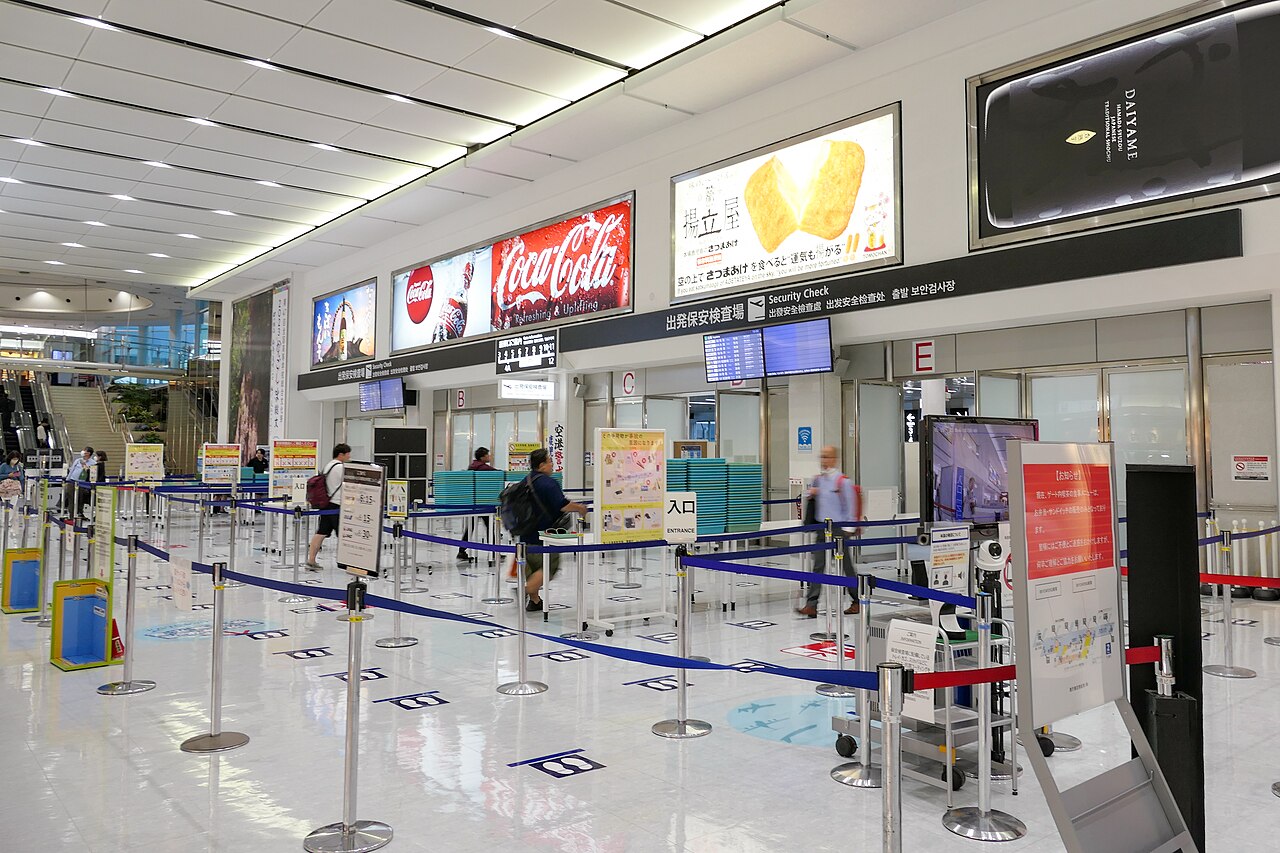
Representative photo showing an airport security checkpoint area, relevant to the article’s discussion on pre-departure logistics and security screening preparation. Photo: MaedaAkihiko / Wikimedia Commons · CC BY-SA 4.0. Resized for display. Sources checked November 3, 2026.
Advertisement · From our publishing familyDiscover something new ↗