When planning late-autumn travel for November 2026, understanding the regulatory landscape governing short-term lodging and hospitality is essential for accurate budgeting and seamless arrivals. This research-based guide explores how federal pricing rules, accessibility standards, and loyalty frameworks intersect during the shoulder season. Prepared with AI assistance, this article relies entirely on published documentation without any firsthand visits or hands-on tests.
Transparent Pricing and the FTC Rule
The Federal Trade Commission’s Rule on Unfair or Deceptive Fees, which became effective May 12, 2025, significantly impacts how short-term lodging and hotels display rates. Under these guidelines, businesses offering short-term lodging must disclose the total price upfront in ads and offers FTC Rule on Unfair or Deceptive Fees FAQ (Checked: 2026-11-02). This total price must include all mandatory fees that consumers cannot reasonably avoid, such as mandatory resort fees or cleaning charges. Businesses are permitted to exclude only government taxes, shipping charges, and truly optional ancillary goods or services from the initial displayed total, provided they disclose those excluded charges before prompting for payment FTC Rule on Unfair or Deceptive Fees FAQ (Checked: 2026-11-02). Travelers should review initial quotes carefully to verify that mandatory resort or facility fees are fully integrated into the advertised nightly rate.
Furthermore, businesses must display this total price more prominently than itemized breakdowns to ensure consumers are never misled by low-ball base rates that obscure mandatory additions. When booking properties online or via mobile applications, verify that no pre-checked boxes or automated default fees add extra costs without explicit consent before the final payment stage.
Accessibility Standards Under Title III of the ADA
Hotels, motels, and other places of public accommodation must comply with Title III of the Americans with Disabilities Act (ADA), ensuring that people with disabilities have an equal opportunity to access goods and services ADA.gov Businesses That Are Open to the Public (Checked: 2026-11-02). When evaluating a hotel property for a November trip, travelers should confirm that the facility follows the ADA Standards for Accessible Design for newly built or altered spaces, including accessible routes, parking, and guest rooms. Furthermore, businesses are required to make reasonable modifications to policies, practices, and procedures—such as accommodating service animals even in properties with strict no-pets policies ADA.gov Businesses That Are Open to the Public (Checked: 2026-11-02). Reviewing these structural and policy commitments prior to booking ensures that properties can adequately support individual mobility and access needs.
Barrier removal is another critical component for older properties. Businesses are expected to remove architectural barriers when readily achievable based on their size and resources. Travelers managing specific mobility requirements should proactively inquire about physical elements like entrance ramps, elevator dimensions, and bathroom modifications to ensure complete comfort throughout their stay.
Loyalty Program Terms and Account Maintenance
For frequent travelers utilizing loyalty programs such as Marriott Bonvoy, maintaining active status and managing points requires strict adherence to updated program rules. Members must ensure their personal details and communication preferences remain accurate to receive timely notifications regarding points balances and promotional offers Marriott Bonvoy Terms & Conditions (Checked: 2026-11-02). Additionally, maintaining qualifying activity—such as completing an eligible stay or redeeming points at least once every twenty-four months—is necessary to prevent the forfeiture of accumulated points and awards Marriott Bonvoy Terms & Conditions (Checked: 2026-11-02). Travelers should audit their account activity well ahead of winter travel planning to protect their earned benefits.
Account security and membership eligibility also demand attention. Only individual accounts are permitted, and points cannot be transferred or bartered outside official program channels. Regularly checking account statements ensures that all eligible stays post correctly and protects against unexpected expirations during periods of infrequent travel.
Hotel Booking Checklist for November 2026
- Verify that the displayed hotel rate includes all mandatory resort and facility fees per FTC transparency standards.
- Confirm ADA Title III compliance details directly with the property, including accessible routes and service animal policies.
- Audit your hotel loyalty accounts to ensure qualifying activity occurred within the past 24 months.
- Review catalog resources such as our A Traveler’s Framework for Transparent Hotel Bookings and Strategic Hotel Booking: A 2026 Winter Planning Framework for broader seasonal insights.
Sources
- The Rule on Unfair or Deceptive Fees: Frequently Asked Questions – Federal Trade Commission (Checked: 2026-11-02)
- Businesses That Are Open to the Public – ADA.gov (Checked: 2026-11-02)
- Marriott Bonvoy Loyalty Program Terms & Conditions – Marriott International, Inc. (Checked: 2026-11-02)
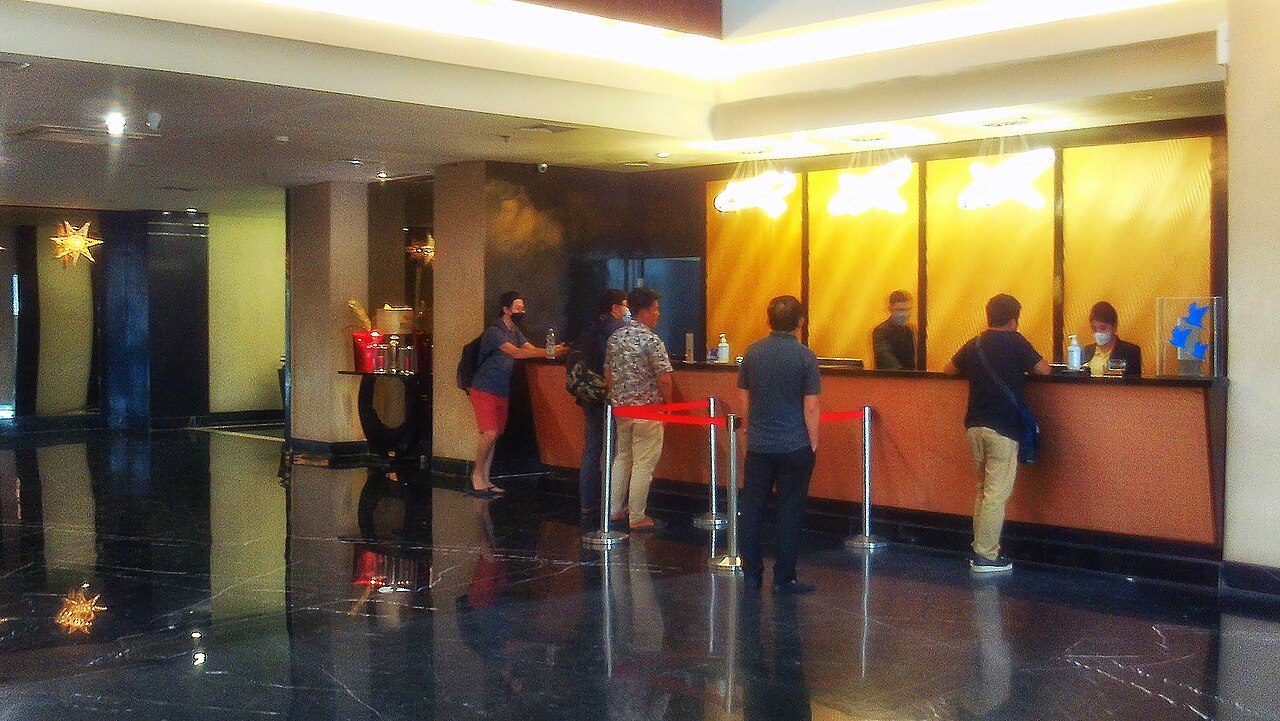
Representative photo showing guests interacting at a hotel reception desk where transparent pricing and booking policies apply. Photo: Firzafp / Wikimedia Commons · CC BY-SA 4.0. Resized for display. Sources checked November 2, 2026.
Advertisement · From our publishing familyDiscover something new ↗