Note: This research-based guide was prepared with AI assistance. No site visits or hands-on tests were conducted. All recommendations rely on current regulatory guidelines and loyalty program terms as of October 2026.
As the calendar turns to November, travel logistics shift toward holiday planning and end-of-year getaways. For the discerning traveler, this season requires more than just checking flight availability; it demands a rigorous approach to booking transparency and accessibility. With the regulatory landscape for hospitality evolving, understanding your rights as a consumer is the most effective way to protect your budget and ensure a stress-free arrival.
Decoding Total Price Transparency
Since May 12, 2025, the landscape for hotel pricing has changed significantly due to the Federal Trade Commission’s (FTC) Rule on Unfair or Deceptive Fees (16 C.F.R. Part 464). This rule prohibits the common industry practice of obscuring the true cost of a stay through hidden mandatory fees. When evaluating a potential hotel booking, you should now expect, and demand, total price transparency upfront.
According to the FTC guidance on the Rule on Unfair or Deceptive Fees, businesses are required to disclose the total price—including all mandatory charges—at the beginning of the transaction. A mandatory fee is defined as any charge that a consumer cannot reasonably avoid. This includes resort fees, cleaning fees, or mandatory facility charges that were previously often added at the final stage of checkout. If a hotel requires guests to pay for towels or access to basic facilities, those costs must be included in the advertised total price.
What you should look for when comparing rates:
- Upfront Total Pricing: The final price shown should be the amount you pay, excluding only government taxes, shipping, or truly optional add-ons.
- Mandatory vs. Optional: If a fee is presented as ‘optional’ but is automatically applied via a pre-checked box or default billing, it may violate the rule.
- Clear Disclosure: Before you are prompted to pay, the hotel must clearly disclose the nature and purpose of any excluded fees, such as taxes.
For a deeper dive into how to apply these principles to your next reservation, see our A Traveler’s Framework for Transparent Hotel Bookings.
Accessibility as a Planning Priority
November travel often involves multigenerational family gatherings or trips to busy urban centers, making accessibility a critical component of your planning. Under the Americans with Disabilities Act (ADA), businesses that serve the public, including hotels and motels, have specific obligations to ensure equitable access. Understanding these requirements helps you verify that a property is prepared for your specific needs before you arrive.
As outlined by ADA.gov, Title III of the ADA requires hotels to make reasonable modifications to policies, practices, and procedures to accommodate individuals with disabilities. This is not a suggestion, but a legal standard for public accommodations. When booking, consider the following checklist to ensure your stay meets your requirements:
- Verify Accessible Features: Do not assume ‘accessible’ is a uniform term. Confirm the specific layout of the room, including bathroom measurements and door widths.
- Ask About Reasonable Modifications: If you require specific equipment or policy adjustments, such as assistance with luggage or room location, inquire about these at the time of booking.
- Understand ‘Readily Achievable’ Barrier Removal: While older buildings have different requirements than new constructions, all hotels are expected to remove architectural barriers where it is readily achievable.
For those managing complex itineraries, our guide on Planning Accessible Holiday Travel: A Proactive Guide provides further strategies for navigating these logistics.
Loyalty Programs and Account Integrity
For frequent travelers, November is a peak time for maximizing loyalty benefits. However, managing your account with precision is essential to ensure those benefits are actually usable during high-demand travel periods. Loyalty program rules, such as those maintained by Marriott Bonvoy, are binding contracts that dictate how points are earned and redeemed.
Best practices for account management during the holiday rush:
- Verify Account Status: Ensure your personal details and communication preferences are current. The program is not responsible for misdirected communications resulting from outdated information.
- Understand ‘Qualifying Activity’: To retain accumulated points, ensure you have had ‘Qualifying Activity’ at least once every 24 months. This includes stays, point redemptions, or transfers.
- Know the Rules of Engagement: Membership is for individuals, not companies. Points and awards belong to the individual member and cannot be bartered or sold.
By treating your loyalty account with the same level of administrative care as your travel documents, you prevent last-minute disruptions. Whether you are using points for a winter escape or booking a cash stay, the combination of FTC-mandated pricing transparency and a proactive check of accessibility features will provide the most reliable foundation for your November travel.
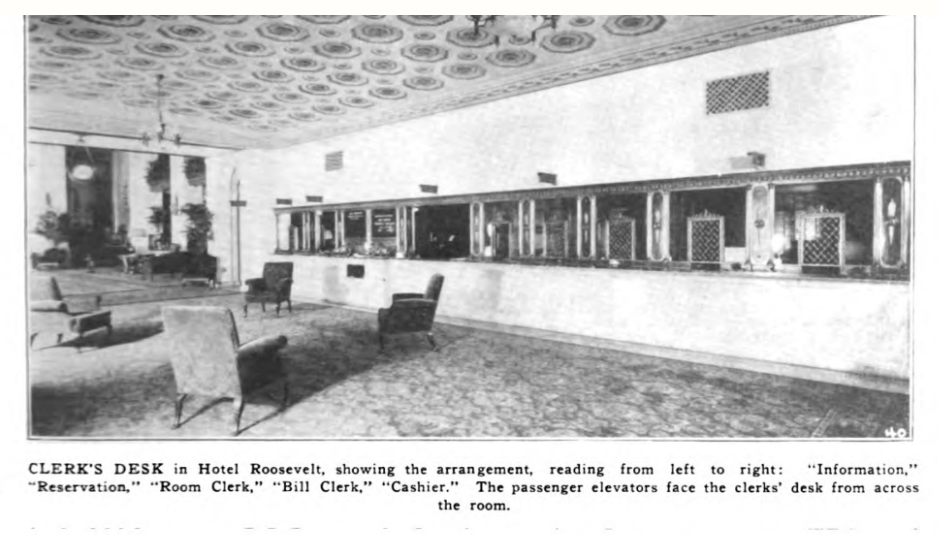
Representative photo. This historic image of a hotel front desk illustrates the traditional point of interaction between guests and staff, relevant to discussions on booking transparency and service expectations. Photo: Architect: George B. Post & Son / Wikimedia Commons · Public domain. Resized for display. Sources checked October 29, 2026.
Advertisement · From our publishing familyDiscover something new ↗