Note: This is a research-based guide prepared with AI assistance. No visit or hands-on test was conducted.
Late autumn travel presents a unique set of logistical challenges, particularly when visiting historic destinations where geography and infrastructure are deeply intertwined with the local culture. As the season shifts, the requirements for a successful trip evolve, demanding a more proactive approach to transit, accessibility, and site-specific planning. For a broader understanding of these seasonal dynamics, travelers should consult Navigating the Late-Autumn Travel Transition: A Proactive Guide and Navigating Late-Autumn Travel: Logistics and Ethics.
Navigating Historic Slopes and Cobblestones in Québec City
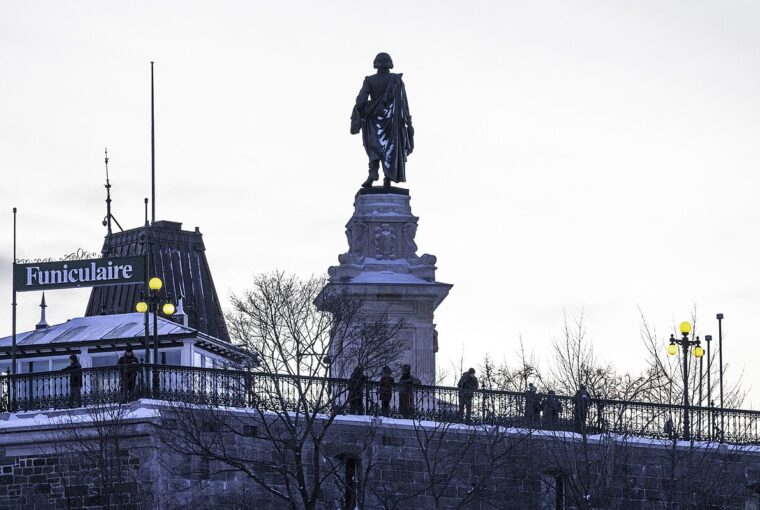
When planning a trip to historic urban centers, the physical layout of the city often dictates the pace of your itinerary. In Québec City, the stark division between the Upper and Lower towns creates a unique logistical scenario. According to Visit Québec City (checked 2026-10-29T13:15:11+00:00), the city’s rocky promontory means travelers must contend with steep slopes and cobblestone streets, particularly in the Petit-Champlain and Place-Royale districts. For those with reduced mobility or those simply looking to manage fatigue, the following strategies are essential:
- Consolidate Sightseeing: Group your activities by district. Complete your exploration of the Lower Town before transitioning to the Upper Town to avoid unnecessary back-and-forth travel on steep inclines.
- Utilize Specialized Transit: The free wheelchair-accessible funicular is a critical link between the Petit-Champlain district and Dufferin Terrace.
- Assess Transit Infrastructure: Utilize the RTC public transit system, specifically high-frequency routes 800-807, which are equipped with access ramps, though travelers should be prepared to board and exit independently.
Managing Seasonal Access and Reservations in Kyoto
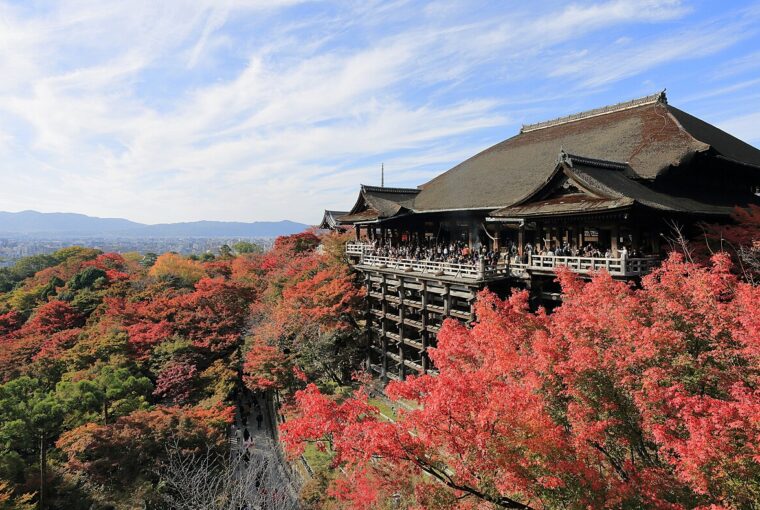
Kyoto in November is a prime destination for autumn foliage, but its popularity necessitates a rigorous approach to logistics. As outlined by the Kyoto City Official Guide (checked 2026-10-29T13:15:10+00:00), the city encourages a culture of “touristship,” where visitors are expected to be mindful of residential areas and the preservation of historic sites. Strategic planning is not just about convenience; it is about community respect.
Kyoto Planning Checklist:
- Verify Reservation Status: Many of Kyoto’s most sought-after attractions and events now require advance reservations. Check the official city portal before finalizing your dates.
- Respect Residential Boundaries: Many tourist spots are located within quiet neighborhoods. Keep noise levels low and remain on designated paths.
- Leverage Off-Peak Times: Use the early morning or late afternoon to visit popular sites to avoid the heaviest crowds and appreciate the serenity of the temples.
Preparing for Variable Environmental Conditions in Iceland
While historic cities require navigating human-made constraints, Iceland demands a pivot toward environmental preparedness. The Visit Iceland official guide (checked 2026-10-29T13:15:08+00:00) emphasizes that November is a time of rapid weather shifts, where the transition between autumn and winter can occur within hours. The key to a successful trip here is flexibility and a focus on sustainable, localized experiences.
Geothermal wellness serves as a strategic pillar for late-autumn travel in Iceland. Because the weather can be unpredictable, building your itinerary around regional geothermal pools allows for a consistent, restorative experience regardless of external conditions. This approach also supports local, mineral-rich, and sustainable energy practices.
Iceland Seasonal Strategy:
- Layering is Non-Negotiable: Prepare for quick weather changes by bringing versatile, weather-resistant layers.
- Prioritize Accessibility: When choosing between remote hot springs and luxury spas, evaluate the accessibility of the facilities, especially if you are traveling during periods of potential ice or snow.
- Sustainable Choices: Opt for eco-friendly lodging and local dining options to minimize your footprint while supporting the communities you visit.
Comparative Transit Framework
Navigating these diverse destinations requires a tailored transit philosophy. The following table summarizes the primary navigational considerations for your November 2026 trip.
| Destination | Primary Challenge | Strategic Solution |
|---|---|---|
| Québec City | Steep topography/Cobblestones | Group by district; use funicular/accessible bus routes. |
| Kyoto | Crowd management/Reservations | Book ahead; respect residential quiet; visit off-peak. |
| Iceland | Variable weather | Prioritize geothermal hubs; maintain flexible schedules. |
By assessing the specific physical and cultural landscape of your chosen destination, you can transition from a passive tourist to an informed, responsible traveler. Whether you are navigating the cobblestones of Old Québec or the geothermal landscapes of Iceland, the most successful trips are those that anticipate the unique rhythms of the place.
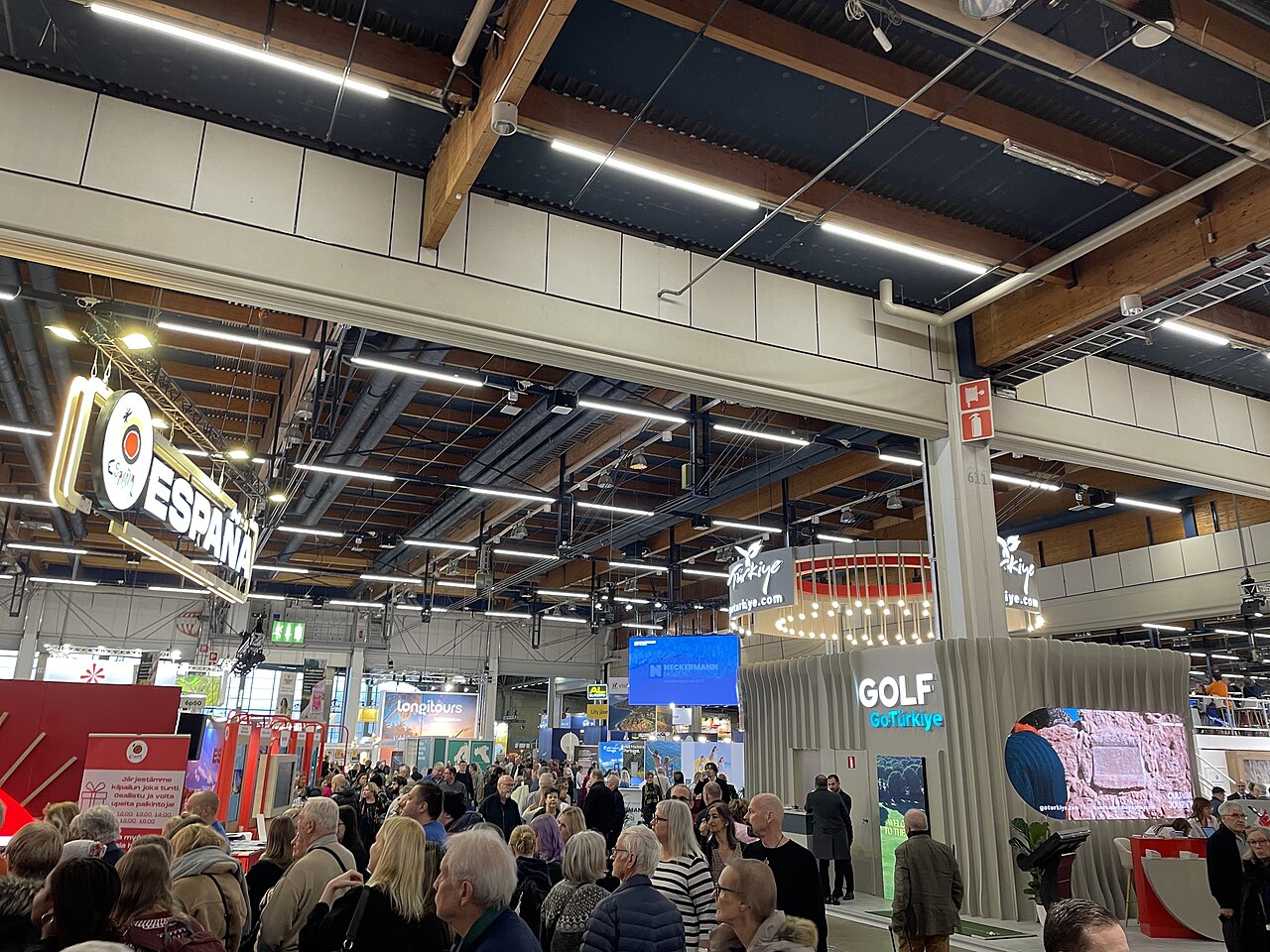
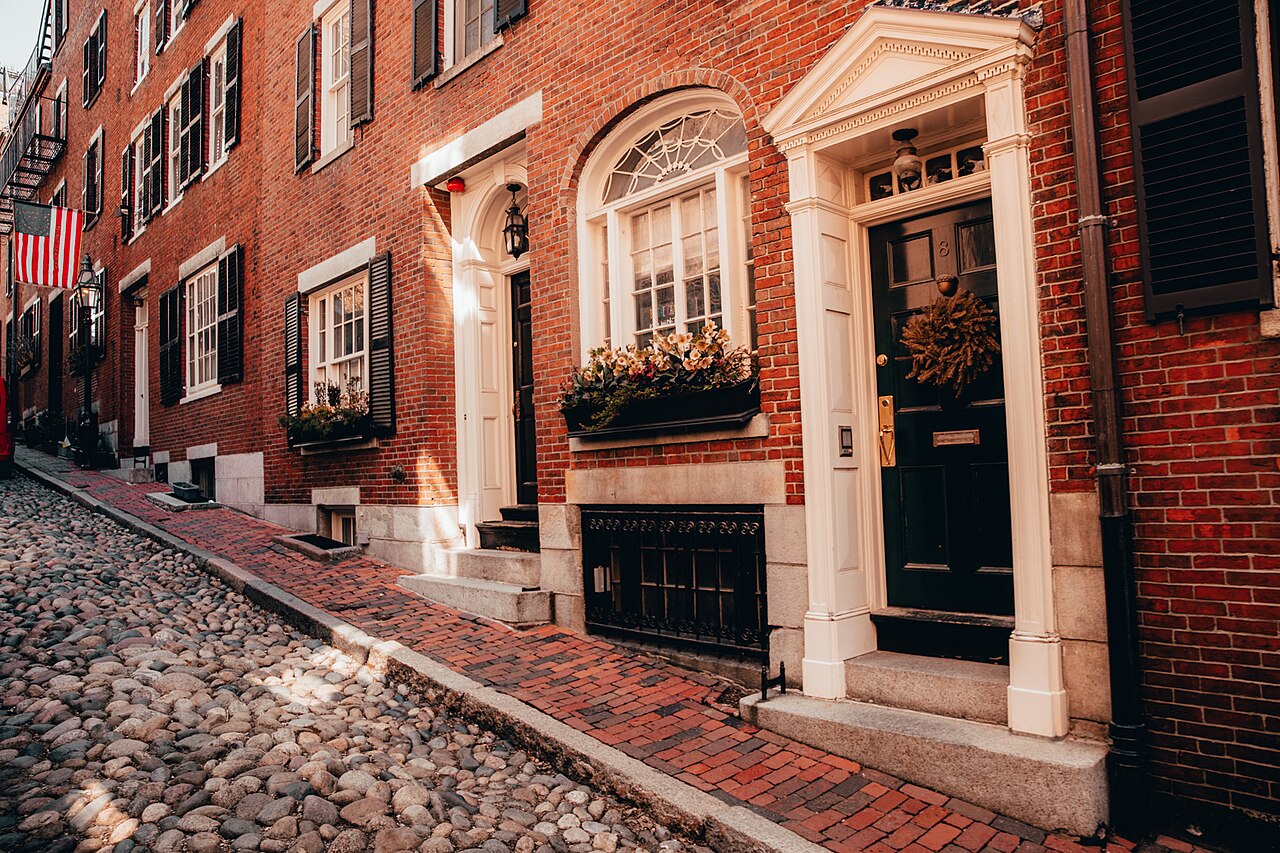
Representative photo illustrating the historic, pedestrian-focused urban environments, such as cobblestone streets, that require careful logistical planning during autumn travel. Photo: Shawn M. Kent / Wikimedia Commons · CC BY-SA 4.0. Resized for display. Sources checked October 29, 2026.
Advertisement · From our publishing familyDiscover something new ↗