The Strategic Advantage of Proactive Accessibility Planning
As the travel landscape shifts in November, the complexities of transit—ranging from colder weather affecting mobility equipment to the shorter daylight hours that can complicate navigation—demand a more rigorous, audit-based approach to itinerary management. For travelers with disabilities, successful trips are rarely the result of serendipity; they are the product of early, research-based logistical planning. Whether you are utilizing rail, navigating air travel, or visiting federal lands, understanding the intersection of your specific needs and the provider’s legal obligations is essential for maintaining autonomy and comfort.
This is a research-based guide prepared with AI assistance. No visit or hands-on test was conducted. All recommendations are derived from current regulatory frameworks and official service guidelines.
The Transit Audit: Navigating Air and Rail
November travel often involves navigating busier airports or winter-affected rail schedules. A successful journey begins with a clear assessment of your transit provider’s capabilities. According to the Transportation Security Administration (TSA), preparation is the most effective tool for mitigating stress at the checkpoint. Travelers should be aware that they can contact TSA Cares at 855-787-2227 or use the online form 72 hours prior to their trip to request assistance at the checkpoint.
When moving through the airport, remember that you are not required to remove medical devices attached to your body, but these devices are subject to additional screening. If you are traveling with medication in liquid form over 3.4 ounces, you are allowed to bring it in your carry-on, but you must notify the officer at the start of the screening process. For those who do not wish to have their medication X-rayed, you may request a visual inspection, provided you make this request before the items are sent through the X-ray tunnel.
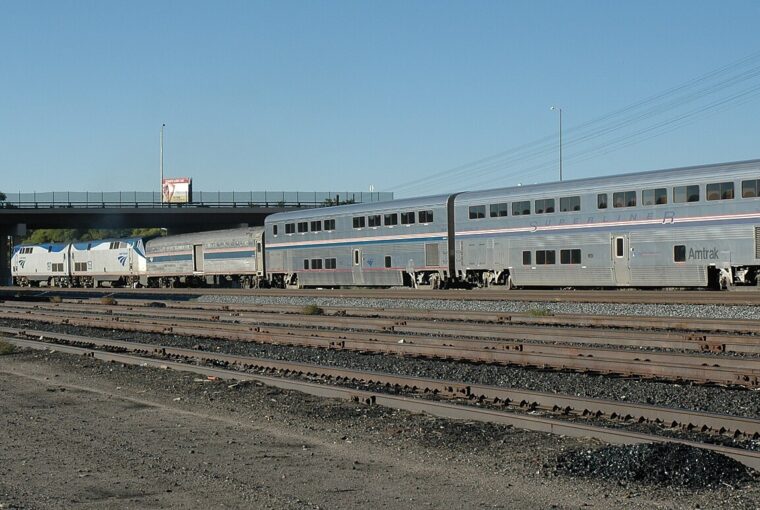
Rail travel offers distinct advantages for accessibility, but it requires precise advance coordination. As detailed by Amtrak’s Accessible Travel Services, reservations for accessible space are frequently required. Do not assume that “accessible” is a default setting on any given train; specific configurations, such as transfer seats or dedicated wheelchair spaces, must be secured during the booking process. If your itinerary includes connecting bus services, verify that these coaches are lift-equipped at the time of booking, as these connections are integral to the continuity of your accessible route.
Facility Standards and The ADA Framework
When booking hotels or private transit, travelers must navigate the requirements of the Americans with Disabilities Act (ADA). The ADA regulations for businesses, specifically Title III, require that public accommodations—including hotels, restaurants, and privately operated transit—provide equal access to goods and services. Understanding these rights is vital when a service provider fails to meet expectations.
It is important to understand the concept of “readily achievable” barrier removal. Businesses are expected to remove architectural barriers—such as stairs that prevent access—if it is easy to do without much difficulty or expense, based on the business’s size and resources. If you encounter a business that claims a “no pets” policy, you have the right to challenge this if you are accompanied by a service animal. Similarly, if a hotel room is not accessible as advertised, you are entitled to request a reasonable modification. However, these rights are most effective when invoked with specific, pre-trip communication. Before booking, clearly ask for documentation regarding grab bars, step-free entrances, and bathroom dimensions. Relying on generic “accessible” labels can lead to frustration upon arrival.
Federal Lands and Seasonal Access
November often provides a quieter window for visiting U.S. National Parks, but the off-season can also mean reduced staffing and limited facility access. Before departing, it is critical to consult the specific park’s website. As noted by the National Park Service, each park manages its own accessibility section, which details specific information regarding wheelchair availability, accessible camping, and trail conditions. A strategic tool for any traveler with a permanent disability is the Access Pass, a free lifetime pass that provides benefits at federal lands managed by the National Park Service and other agencies.
Pre-Departure Accessibility Audit Checklist
- Verify Equipment Accommodations: Confirm the specific guidelines for your manual or powered mobility device. For air travel, check with your airline; for rail, confirm with the carrier’s specific weight and size limits.
- Confirm Facility Status: Check for seasonal closures that may affect accessible restrooms or visitor centers at your destination.
- Review Architectural Barriers: Use the park’s or hotel’s dedicated accessibility page to identify which trails or buildings have been verified as accessible.
- Define Your Needs: Before booking, clearly communicate your requirements for accessible routes and bathroom dimensions.
- Keep Records: In the event of a dispute, having a record of your communication with the establishment regarding your accessibility needs can be invaluable.
By treating accessibility as a core component of your travel strategy—rather than an afterthought—you can mitigate the risks associated with seasonal travel and ensure that your November journey remains both safe and restorative. For further reading on managing these transitions, see our recent coverage on Planning Accessible Holiday Travel and our guidance on Navigating Historic Cities.
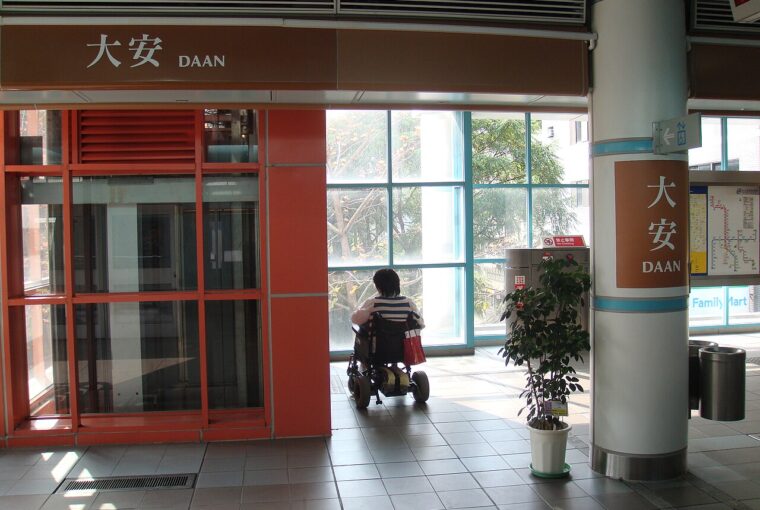
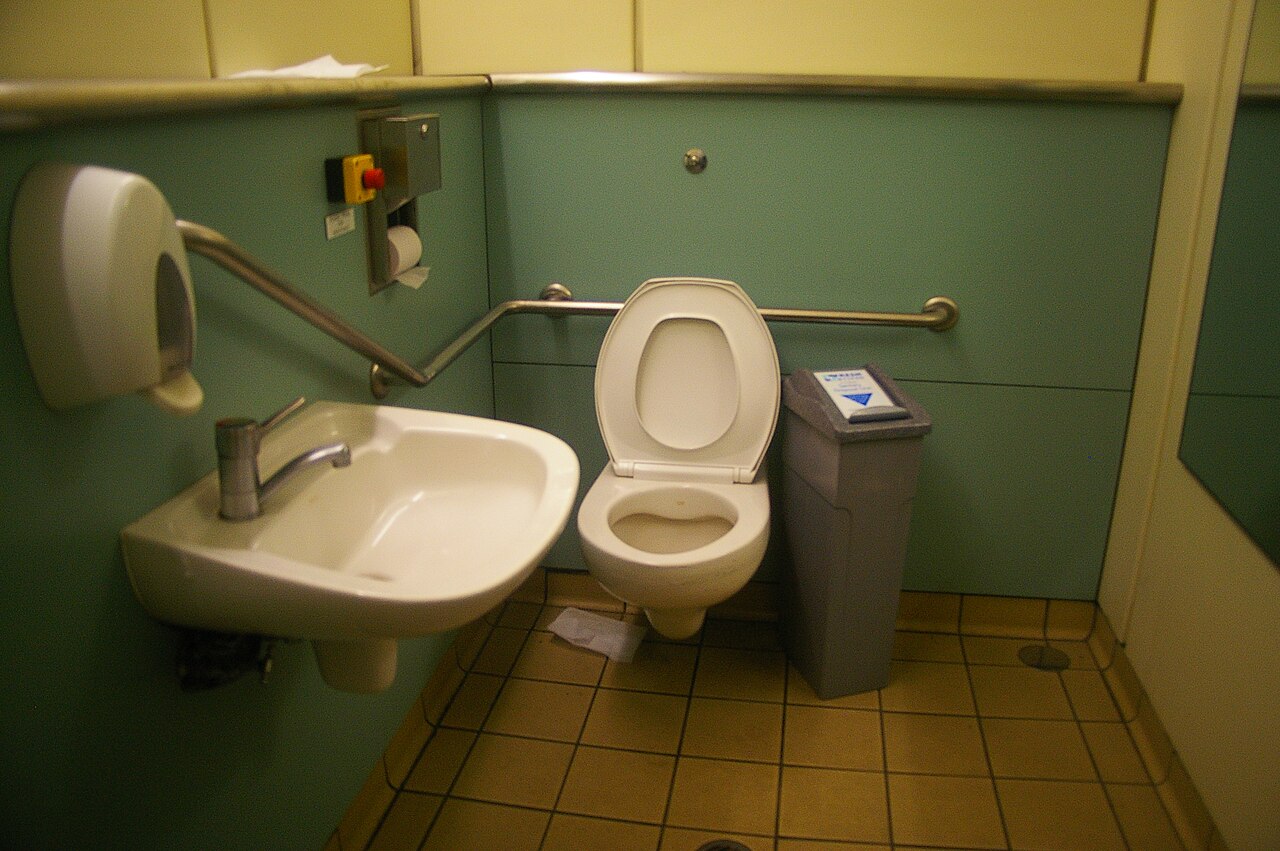
Representative photo highlighting the importance of verifying accessible facility standards during trip planning. Photo: John Robert McPherson / Wikimedia Commons · CC BY-SA 4.0. Resized for display. Sources checked October 27, 2026.
Advertisement · From our publishing familyDiscover something new ↗