The Dynamics of the November Travel Transition
November represents a distinct pivot point in the global travel calendar. As the peak travel seasons of summer and early autumn subside, the logistical requirements for movement change significantly. This transition period demands a higher degree of foresight, as weather patterns become more volatile and service availability in many regions begins to shift toward winter operations. Travelers who treat November as a unique logistical category—rather than a late extension of autumn—are better positioned to navigate potential disruptions.
Effective planning during this month requires a dual focus: maintaining operational flexibility and adhering to updated transit security protocols. Whether you are navigating the transition from autumn foliage to early winter snows, or simply managing the increased security vigilance common during holiday-adjacent periods, a structured approach is essential.
Logistical Planning for Seasonal Variability
The first step in any November itinerary is acknowledging the variability inherent in the season. According to Switzerland Tourism’s planning resources (checked on 2026-10-27), successful travel preparation involves more than just booking; it requires active monitoring of conditions, including weather forecasts and snow reports. In regions like the Swiss Alps, November is a shoulder season where infrastructure may be transitioning, making it critical to verify that your planned activities and transport options remain operational.
Similarly, VisitScotland’s travel planning guide (checked on 2026-10-27) emphasizes that practical advice is as important as inspiration. For the November traveler, this means reviewing your itinerary for potential closures. Many historic sites and transport routes adjust their schedules as daylight hours shorten. A useful framework for this is found in our catalog guide on Navigating Late-Autumn Transit and Seasonal Journeys, which outlines how to adjust your pace to accommodate these seasonal shifts.
Checklist for Seasonal Readiness
- Verify Operational Status: Check if your planned attractions or transport routes have reduced hours or seasonal closures.
- Monitor Weather Patterns: Use regional portals to track early-winter conditions, especially if traveling in mountainous or northern latitudes.
- Build Buffer Time: November transit often involves unexpected delays due to weather; include extra time in your transfers.
Security and Transit Logistics
As you move through transit hubs, the logistical complexity of November travel is often compounded by security requirements. The Transportation Security Administration (TSA) travel tips (checked on 2026-10-27) provide the necessary framework for maintaining efficiency at the checkpoint. The standard 3.4-ounce (100 mL) rule for liquids, aerosols, and gels remains the baseline, but the holiday-adjacent nature of November often leads to longer lines and higher passenger volumes.
Packing smart is the most effective way to reduce stress. Start with an empty bag to ensure no prohibited items remain from previous trips. When traveling with medication, remember that while you may bring liquids over 3.4 ounces, you must proactively notify the officer at the start of the screening process. Do not wait until the item is scanned to declare it. For those carrying medical devices like insulin pumps or glucose monitors, inform the officers of the device’s location on your body before screening begins.
Cultural and Destination Preparedness
Destination-specific preparation is equally important when the season shifts. In Japan, for instance, November is a peak time for autumn leaves, yet it also marks a time when travelers must be particularly mindful of local etiquette and seasonal customs. The Japan National Tourism Organization’s guide (checked on 2026-10-27) offers comprehensive insights into cultural manners, including dining and bathing etiquette. Understanding these nuances before arrival prevents the common pitfalls that can occur when tourists unintentionally disrupt local norms.
For a deeper dive into preparing for this specific destination, refer to our catalog article on Planning a Responsible and Prepared Autumn Trip to Japan. This resource emphasizes that responsible travel is not just about environmental impact, but also about being a well-informed guest who understands the local calendar and cultural expectations.
Cultural Etiquette Strategy
- Research Local Norms: Spend time understanding the specific manners relevant to your destination, particularly regarding dining and public spaces.
- Respect the Local Calendar: Be aware of local holidays or seasonal events that might alter store hours or crowd levels.
- Practice Responsible Tourism: Prioritize local businesses and adhere to guidelines regarding photography and interaction in sensitive cultural or natural sites.
Note: This is a research-based guide prepared with AI assistance and no visit or hands-on test was conducted.
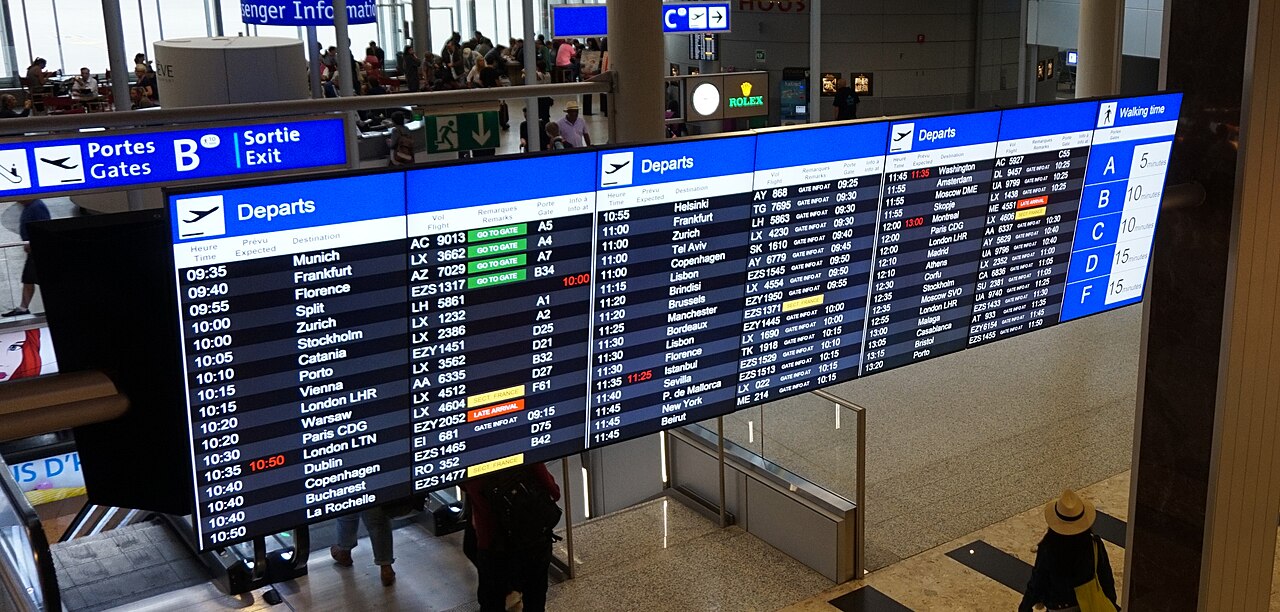
Representative photo highlighting the importance of monitoring transit schedules and operational changes during the November travel season. Photo: Tiia Monto / Wikimedia Commons · CC BY-SA 3.0. Resized for display. Sources checked October 26, 2026.
Advertisement · From our publishing familyDiscover something new ↗