The Strategic Approach to Cultural Institutions
Visiting world-class art institutions such as the Louvre in Paris or the National Gallery in London requires more than just a ticket; it demands a logistical framework that accounts for operational nuances, security requirements, and seasonal shifts. For the modern traveler, the difference between a rushed, overwhelming experience and a meaningful cultural immersion lies in the preparation conducted weeks before arrival. By treating a museum visit with the same strategic rigor as a multi-city transit plan, travelers can navigate crowds, avoid common logistical pitfalls, and ensure they engage with the collections on their own terms.
As outlined in our internal guide on How to Plan a Museum District Day, the most successful visits are those that account for the geography of the museum and the energy levels of the traveler. Whether you are navigating the historic halls of the Louvre or the expansive galleries of London’s National Gallery, the foundational rule remains consistent: verify current operational status, secure entry documentation in advance, and understand the physical constraints of the building. When aligning these visits with broader travel logistics, such as those detailed in A Strategic Arrival Plan for Your Kyoto Long Weekend, the goal is to reduce cognitive load by treating the museum visit as a distinct, planned event rather than a casual drop-in.
The Logistics of Entry: Ticketing and Timing
The first step in any cultural strategy is understanding the institution’s operational calendar. According to the Louvre Visit Page (checked 2026-10-26), the museum remains closed every Tuesday. Furthermore, hours fluctuate throughout the week, with standard operation from 9:00 a.m. to 6:00 p.m., extending to 9:00 p.m. on Wednesdays and Fridays. Relying on outdated travel guides or assuming consistent hours can lead to arrival on a closed day or during a period of restricted access. Time-slot booking is no longer just a suggestion; it is a critical component of visitor management. The Louvre strongly advises all visitors—including those eligible for free admission—to book a time-stamped ticket online. This practice ensures that you are not left waiting in queues that could otherwise be avoided.
Similarly, the National Gallery Visiting Page (checked 2026-10-26) notes that while general admission is free, booking a ticket in advance provides fast-track entry, allowing you to bypass potential wait times. When planning your trip, consider the broader context of your arrival. If you are traveling to see a specific artist or collection, this step is non-negotiable. Do not assume that a permanent collection remains static; building work, as seen with the National Gallery’s upcoming Research Centre project, often necessitates the movement of paintings to safer areas. Always check the floorplan for up-to-date room closures before you finalize your day.
Security, Baggage, and On-Site Etiquette
Museum security protocols have become increasingly standardized, often mirroring the rigors of airport transit. The National Gallery, for instance, mandates that all visitors pass through walk-through metal detectors and limits bag sizes to 56 x 25 x 45 cm. Wheeled luggage and large suitcases are strictly prohibited. These rules exist to protect both the visitor and the art, yet travelers often arrive unprepared, leading to delays at the cloakroom or, in worst-case scenarios, denied entry. If you are traveling by air to reach your destination, ensure that your carry-on luggage strategy aligns with your museum plans. The Transportation Security Administration provides clear guidance on what can be brought through security checkpoints. While museum rules differ from airport regulations, the principle of “minimalism” applies to both. Pack only what you need for the day. If you must carry a bag, ensure it meets the museum’s size requirements, as large items will almost certainly be rejected by security staff.
Furthermore, consider the use of audio guides. Both the Louvre and the National Gallery offer audio tours—the Louvre’s is available in nine languages for a small fee, while the National Gallery provides a free guide covering over 50 paintings. Utilizing these tools allows you to structure your visit independently, moving at your own pace rather than being tethered to a group tour. For families, the Louvre offers specific resources for children, including guided tours and workshops, but note that prams must fit in the museum lifts; if they are too large, the museum offers loaner prams under the Pyramid.
A Framework for the Cultural Traveler
To ensure a successful visit, utilize this checklist to guide your planning:
- Verify the Calendar: Check the museum website 48 hours before arrival for unexpected closures or special event schedules.
- Secure Digital Entry: Book your time-stamped tickets online. If you are eligible for free admission, ensure you have the required documentation ready for inspection.
- Respect Baggage Limits: Measure your day bag. If it exceeds the museum’s dimensions, leave it at your hotel to avoid cloakroom queues.
- Map the Visit: Download the museum map or study the floorplan online before you arrive. Use this to identify must-see galleries and locate amenities such as toilets, cafes, and elevators.
- Prioritize Comfort: Wear comfortable shoes and dress in layers. Museums are large, and walking distances can be significant.
By shifting your perspective from “tourist” to “prepared visitor,” you can transform a standard museum trip into a distinct, high-quality experience. The institutions are there to share their collections, but the responsibility of the arrival—the timing, the entry, and the security compliance—rests with the traveler. Approach these visits with the same attention to detail that you would apply to any complex transit operation, and you will find that the art becomes far more accessible.
Note: This is a research-based guide prepared with AI assistance. No visit or hands-on test was conducted.
Sources
- Musée du Louvre Visit Guide (Checked: 2026-10-26)
- National Gallery London Visiting Guide (Checked: 2026-10-26)
- Transportation Security Administration Travel Tips (Checked: 2026-10-26)
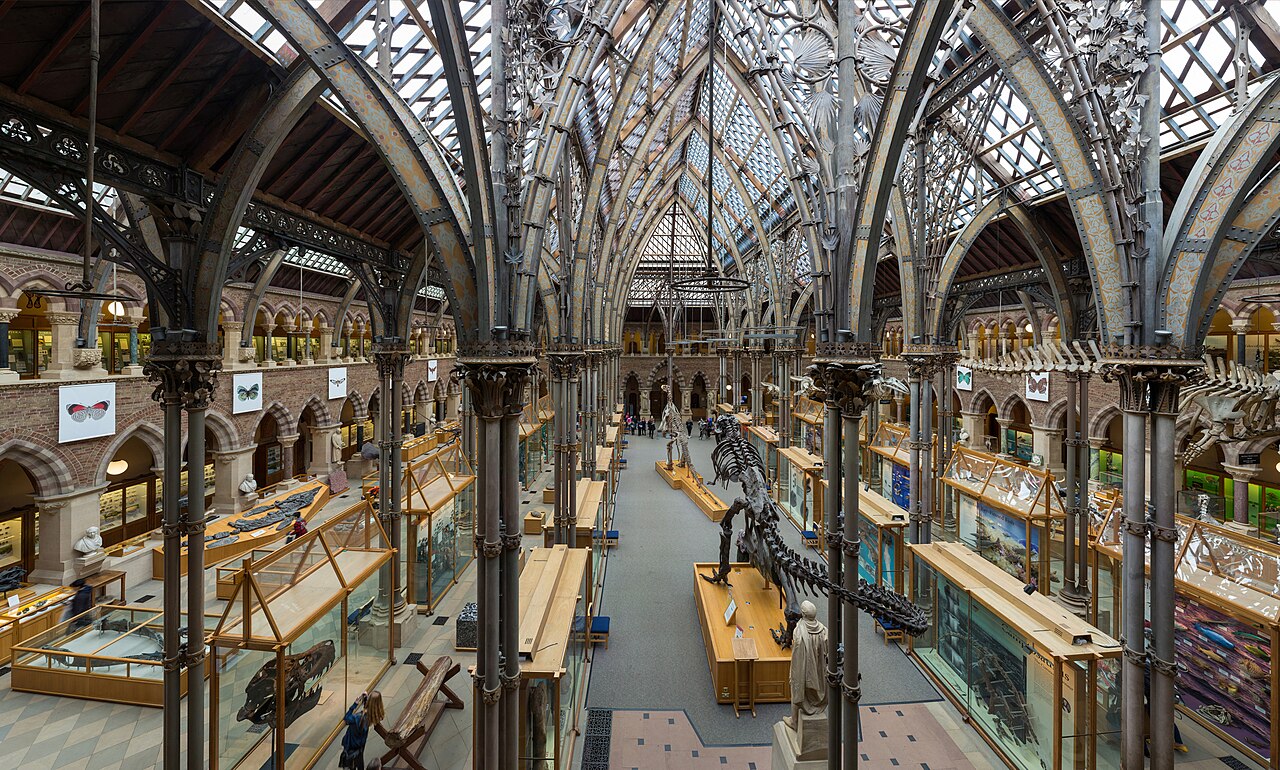
Representative photo showcasing the grand interior architecture and layout of a major museum, illustrating the scale of cultural institutions discussed in the planning guide. Photo: Diliff / Wikimedia Commons · CC BY-SA 3.0. Resized for display. Sources checked October 25, 2026.