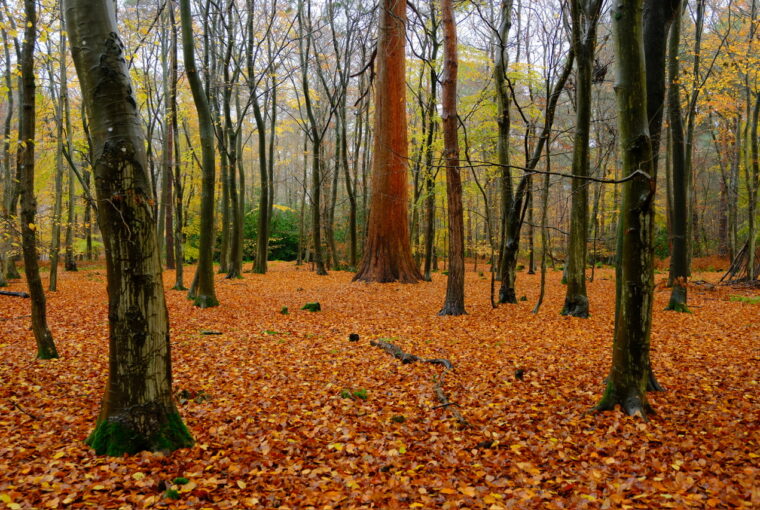
As the calendar shifts from October to November, the outdoor travel landscape undergoes a profound transformation. This period, often defined by shorter daylight hours, plummeting temperatures, and the onset of winter-like conditions in many regions, demands a more rigorous approach to trip planning. For the strategic traveler, this transition is not merely about changing one’s wardrobe; it is about recalibrating the entire logistical and ethical framework of the journey. Success in this shoulder season requires a synthesis of environmental stewardship and operational preparedness, ensuring that your transit through airports is as seamless as your movement through the wilderness.
Aligning Transit Logistics with Outdoor Preparedness
The foundation of any responsible outdoor expedition is the first principle of the Leave No Trace organization: Plan Ahead and Prepare. According to the Leave No Trace 7 Principles, knowing before you go is essential to minimizing your impact, yet this principle is equally applicable to the transit process. A traveler who is disorganized at the airport is more likely to create unnecessary waste or require additional screening, which can disrupt the flow of others and increase personal stress.
When preparing for an outdoor-focused trip, consider how your gear interacts with security regulations. The Transportation Security Administration (TSA) provides specific guidance on what can be brought through checkpoints. For instance, the TSA Travel Tips page highlights that all liquids, aerosols, and gels in carry-on bags must be 3.4 ounces (100 mL) or less. This regulation often conflicts with standard outdoor toiletries, specialized gear lubricants, or sunscreens. A strategic traveler must inventory these items in advance, opting for travel-sized containers or checking the items if they exceed the volume limit.
Furthermore, when choosing your equipment, consider whether you should rent or bring it. For guidance on evaluating the necessity of your gear, refer to our previous analysis on Rent or Bring Outdoor Equipment. Renting at your destination can often simplify your packing list, reducing the risk of carrying prohibited items and simplifying your transit experience, while also ensuring you are using gear appropriate for the specific terrain and weather conditions of the region.
Managing Environmental Volatility and Wildlife
Late autumn is a critical time for wildlife, as many species are actively preparing for the winter months. As you move from the airport to the wilderness, your ethical responsibilities shift. The National Park Service emphasizes that visitors are responsible for both their own safety and the safety of the animals. Their guidance on Watching Wildlife is clear: keep your distance, do not touch, and do not feed. These actions are not merely suggestions; they are vital for maintaining the health of the ecosystem during this vulnerable time.
When planning your itinerary, ensure that your activities align with these principles. If you are engaging a local expert to help navigate the landscape, it is important to vet them for their commitment to these standards. For more on this, see our guide on Wildlife Watching With Care. Always remember that wildlife safety starts with food and distance, particularly when hiking in areas where animals are active and foraging. In the November transition, animals may be more unpredictable as they prioritize food intake, making your adherence to these distance guidelines even more critical than in the peak summer season.
A Framework for Seasonal Adaptability
The Leave No Trace 101 Course suggests that human-caused impacts are cumulative. As you plan your November travels, consider the cumulative effect of your trip. Are you visiting a region that is already stressed by the seasonal transition? Is your itinerary flexible enough to accommodate sudden weather shifts? A successful trip during this time is one that maintains a buffer for changing conditions.
Pre-Departure Checklist for the Strategic Traveler
- Review TSA Guidelines: Check the “What Can I Bring” tool on the TSA website for any specialized outdoor equipment to ensure no prohibited items are packed.
- Consolidate Liquids: Ensure all sunscreens, insect repellents, and gear cleaners are in containers of 3.4 ounces or less if carrying on, or place them in checked luggage.
- Inventory Pockets: Empty all hiking gear and clothing pockets before arriving at the airport to ensure no multi-tools or sharp items are present.
- Plan for Wildlife: Research the specific wildlife activity in your destination for late autumn and prepare to maintain a safe distance at all times.
- Review LNT Principles: Revisit the Leave No Trace principles to ensure your planned activities are low-impact and respectful of the environment.
- Build a Weather Buffer: Acknowledge that weather windows are not guarantees; always have a backup plan for when conditions prevent outdoor access.
Note: This is a research-based guide prepared with AI assistance and no visit or hands-on test was conducted.
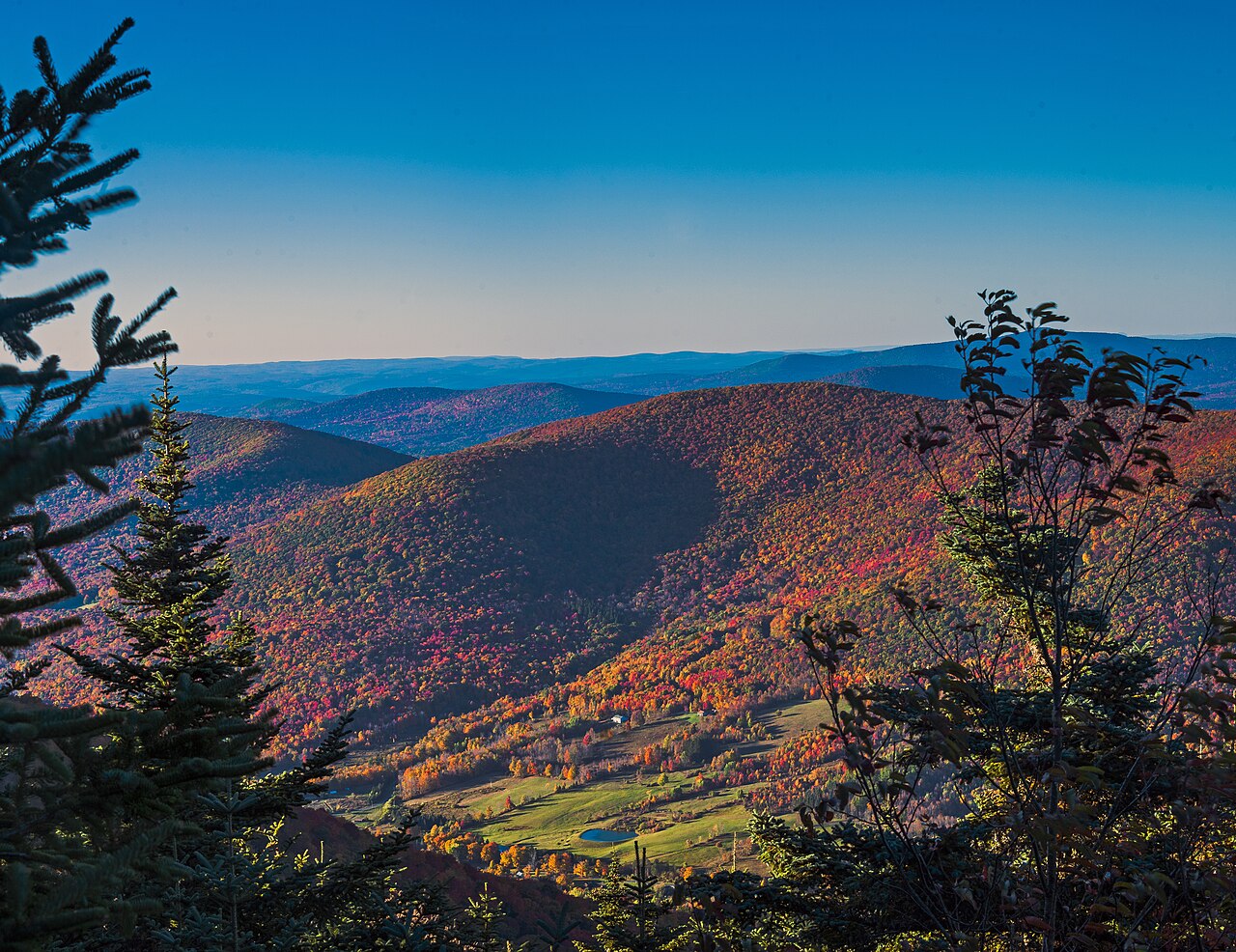
Representative photo showing a landscape in the midst of a seasonal transition, illustrating the environmental context for late autumn outdoor planning. Photo: Daniel Case / Wikimedia Commons · CC BY-SA 3.0. Resized for display. Sources checked October 25, 2026.
Advertisement · From our publishing familyDiscover something new ↗