The scorecard
How we reviewed it: Research-based comparison of cited public sources; no visit, sailing or hands-on test.
Note: This is a research-based guide prepared with AI assistance. No visit, hands-on test, or personal experience was conducted. All recommendations are derived from current regulatory guidelines and official agency resources as of October 2026.
As we navigate the transition from late autumn into the winter travel season, the logistics of booking and transit have seen significant shifts. For the traveler, this period demands a more rigorous approach to planning, particularly regarding how prices are displayed and how security checkpoints are navigated. By aligning your travel strategy with current regulatory standards—specifically the Federal Trade Commission’s (FTC) recent fee transparency rules and established Transportation Security Administration (TSA) protocols—you can reduce friction in your upcoming journeys.
Decoding the New Fee Transparency Standards
Since May 12, 2025, the travel industry has operated under the FTC’s Rule on Unfair or Deceptive Fees (16 C.F.R. Part 464). This regulation fundamentally changed how short-term lodging and live-event tickets are advertised. For the consumer, this means the “total price” you see upfront should now include all mandatory fees that the business knows about and can calculate.
According to the Federal Trade Commission, businesses must include fees that consumers are required to pay no matter what, or fees that cannot be reasonably avoided. This includes items like mandatory resort fees or cleaning fees that were previously often hidden until the final checkout screen. However, there are exceptions. Businesses may still exclude government charges (like taxes), shipping charges, and optional ancillary goods or services that you choose to add to your transaction.
Checklist for Transparent Booking:
- Verify the Total: Ensure the price displayed prominently is the total amount you will pay, excluding only taxes and optional add-ons.
- Question Vague Fees: If you see “convenience fees” or “processing fees” added at the last minute, investigate whether these are truly optional or mandatory. Under the new rule, mandatory fees must be included in the total price.
- Understand Ancillary Charges: If a hotel charges for towels or facility usage that you cannot opt out of, that fee must be part of the total price.
The Intersection of Security and Seasonal Transit
As winter travel volume increases, checkpoint efficiency becomes paramount. The TSA’s guidance for late-2026 emphasizes preparation as the most effective tool for a smooth transit experience. Whether you are traveling for the holidays or a quiet winter escape, understanding the distinction between carry-on and checked items remains critical.
The Transportation Security Administration advises that all liquids, aerosols, and gels in carry-on bags must be 3.4 ounces (100 mL) or less. This is particularly relevant for travelers bringing food gifts or regional specialties home. If an item can be spilled, spread, sprayed, pumped, or poured, and it exceeds 3.4 ounces, it must be placed in a checked bag. For those traveling with medication, you are not required to present it unless it is in liquid form over 3.4 ounces, in which case you must notify the officer at the start of the screening process.
Transit Readiness Tips:
- Gift Wrapping: If you are traveling with gifts, use gift bags or boxes with removable lids. This allows security officers to inspect the contents without destroying fully wrapped presents.
- Medication Strategy: Always keep essential medication in your carry-on luggage. You do not need to present pills or solid medications, but liquid medications exceeding 3.4 ounces should be declared immediately.
- Digital Identity: If you lack a standard ID, research the TSA ConfirmID program, an alternative identity verification option, before you arrive at the airport.
A Framework for Evaluating Your Next Booking
Planning a successful trip now requires synthesizing these regulatory updates with your own risk management and documentation strategy. Before finalizing your winter itinerary, ensure you have addressed the foundational elements of your journey.
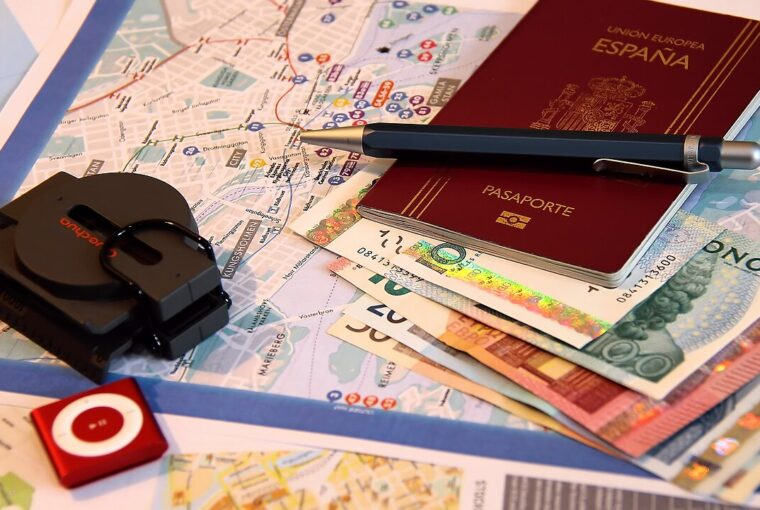
First, ensure your documentation is in order. As noted in our guide on International Connections: Check Entry Documents Before You Book, failing to verify requirements early can lead to significant disruptions. Second, always maintain a contingency plan. Our research on how to Build a Travel Backup Plan You Can Actually Use highlights that even the most well-researched trip can encounter unexpected variables, from weather to transit delays.
By combining the FTC’s transparency requirements with proactive TSA preparation, you can move through the 2026 winter season with greater clarity. Treat your travel planning not as a series of isolated bookings, but as a cohesive strategy that prioritizes transparency, security, and resilience.
Sources
- Federal Trade Commission, “The Rule on Unfair or Deceptive Fees: Frequently Asked Questions,” checked 2026-10-25. https://www.ftc.gov/business-guidance/resources/rule-unfair-or-deceptive-fees-frequently-asked-questions
- Transportation Security Administration, “Travel Tips,” checked 2026-10-25. https://www.tsa.gov/travel/travel-tips
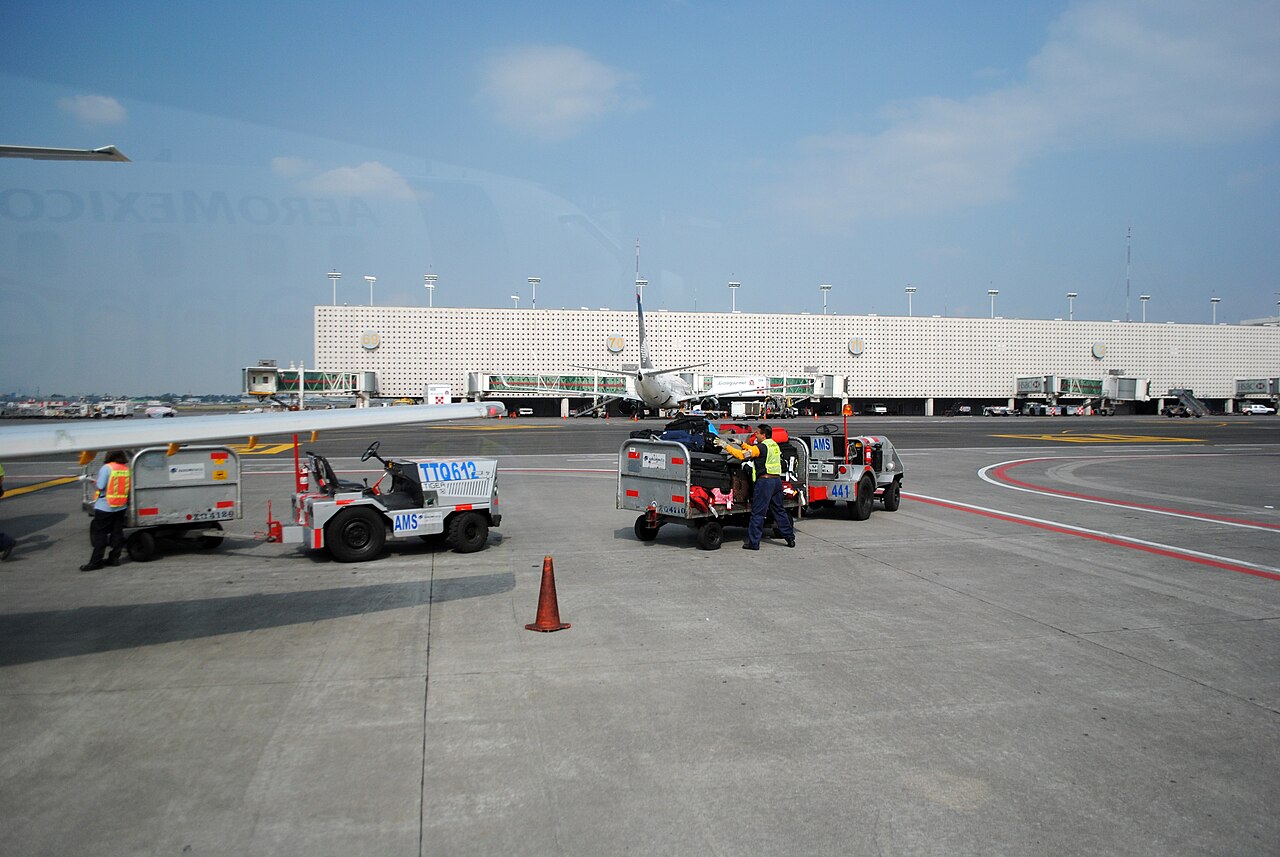
Representative photo highlighting the logistical aspects of air travel, such as baggage handling and airport transit, which are key components of the planning process discussed in the article. Photo: ProtoplasmaKid / Wikimedia Commons · CC BY-SA 4.0. Resized for display. Sources checked October 24, 2026.
Advertisement · From our publishing familyDiscover something new ↗