Note: This research-based guide was prepared with AI assistance. No visit or hands-on test was conducted for this article.
As of late October 2026, the travel landscape is undergoing a distinct transition. The period between late autumn and early winter is characterized by a rapid shift in daylight hours, evolving weather patterns, and the beginning of holiday-related travel volume. For the strategic traveler, this is not merely a change in scenery; it is a fundamental shift in logistics that requires a recalibration of how one plans, packs, and navigates transit. Transitioning from a summer-style itinerary to one that accounts for the realities of shorter days and cooler temperatures is essential for a successful journey.
Adjusting Expectations for Daylight and Regional Geography
The transition from autumn to winter alters the fundamental rhythm of a destination. In many regions, the daylight hours shorten significantly, which directly impacts the feasibility of outdoor itineraries. When planning a trip during this window, it is essential to adjust your expectations regarding activity duration and transit speed.
According to the Japan National Tourism Organization, understanding regional seasonal variations is a core component of travel preparation. Whether you are visiting the mountains or historical districts, the seasonal shift demands a proactive approach to weather awareness. Similarly, VisitScotland emphasizes that while their country offers unique seasonal beauty, travelers must be prepared for the realities of the weather and the differences in daylight. The key is to avoid assuming that a destination’s infrastructure or accessibility remains static throughout the year. Before finalizing your itinerary, verify current seasonal closures and daylight availability. If you are planning an outdoor-focused trip, ensure your expectations align with the shortened days, as attempting to maintain a summer-length itinerary often leads to fatigue and safety risks. As outlined in our guide on how to Treat Arrival and Departure Days as Real Days, recognizing the limitations of your available time is the first step toward a successful trip.
Security and Documentation in the Holiday Lead-Up
As the calendar approaches November and December, airport security checkpoints often see an increase in volume and a change in the types of items travelers carry, particularly gifts. Navigating these security environments requires a renewed focus on documentation and packing efficiency.
The Transportation Security Administration (TSA) provides clear guidance that remains vital during this transition. One of the most common pitfalls for travelers is the handling of liquids and food items. Remember the 3.4-ounce (100 mL) rule for all liquids, aerosols, and gels in carry-on luggage. If you are bringing holiday gifts, such as sauces, jams, or snow globes, these must be packed in checked bags if they exceed the 3.4-ounce limit. To expedite the screening process, the TSA recommends using gift bags rather than fully wrapped boxes; this allows officers to inspect the contents without destroying the presentation. Additionally, ensure that your identification—whether it is a passport or a REAL ID—is readily accessible. If you have medical requirements, such as liquid medication or insulin pumps, inform the officer before the screening process begins. Being prepared with this information can significantly reduce stress and delay at the checkpoint.
Building a Resilient Itinerary
A resilient itinerary is one that anticipates disruption rather than reacting to it. As we move into the darker, colder months, the risk of weather-related delays increases. This is the time to prioritize flexibility over density in your planning. Whether you are traveling in Scotland, Japan, or Switzerland, the principles of responsible planning remain consistent.
First, ensure you have a fallback. If a primary activity is weather-dependent, such as a scenic drive or an outdoor market visit, have a secondary, indoor-based option ready. For a comprehensive approach to managing these variables, refer to our guide on how to Build a Travel Backup Plan You Can Actually Use. By anticipating that your original plan may need to change, you maintain the ability to enjoy the destination regardless of the forecast.
Finally, remember that the late autumn transition is an excellent time to slow down. Rather than chasing every stop on a regional route, consider focusing on a smaller number of locations. Switzerland Tourism highlights the importance of thorough planning, including checking actual snow conditions and slope reports if you are traveling to alpine regions, which underscores the need for real-time information. This not only reduces the complexity of your transit but also allows for a deeper, more meaningful engagement with the destination during a quieter time of year.
Sources
- Explore Japan’s Stories & Guides | Travel Japan (Japan National Tourism Organization), checked 2026-10-24.
- Travel Tips | Transportation Security Administration, checked 2026-10-24.
- Plan your trip to Scotland | VisitScotland, checked 2026-10-24.
- Travel, travel planning, travel preparation, travel suggestions | Switzerland Tourism, checked 2026-10-24.
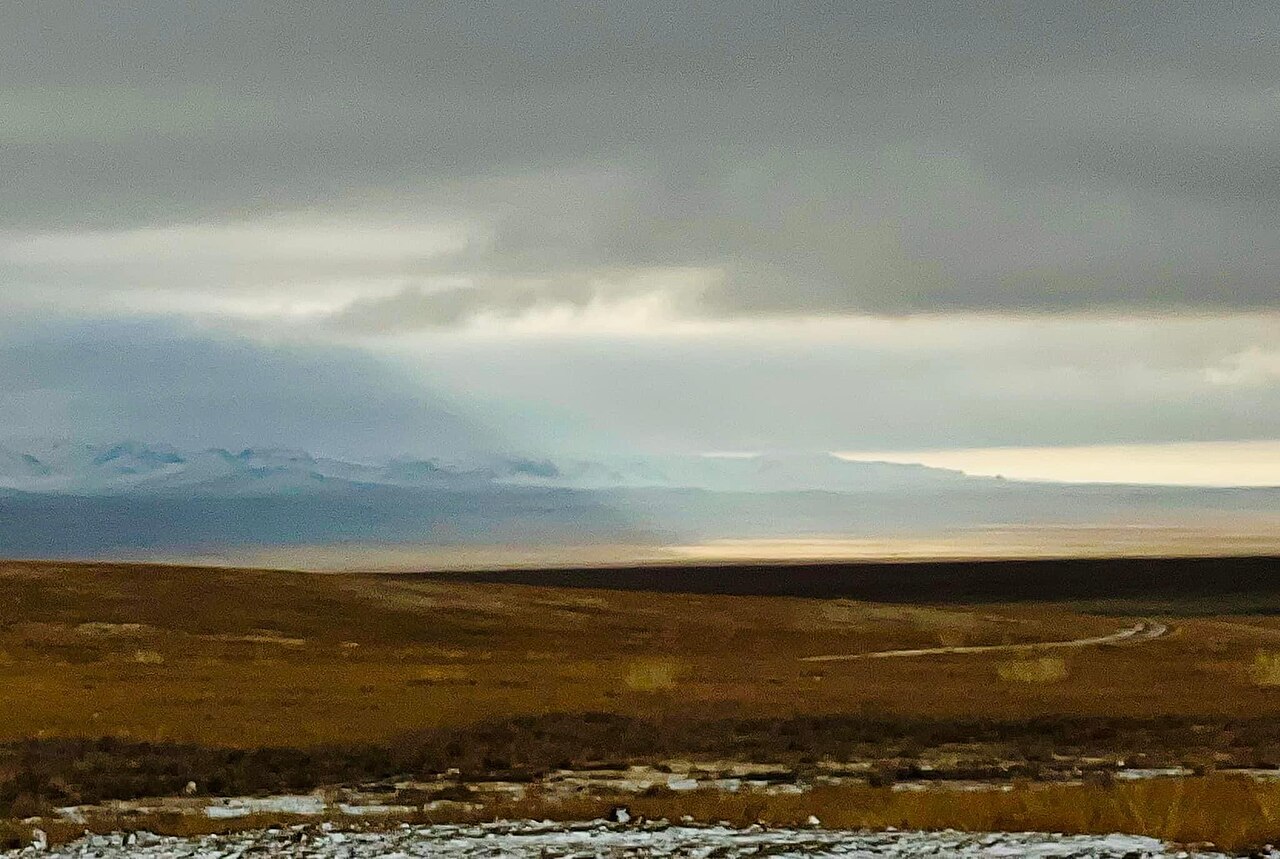
Representative photo illustrating the seasonal transition between autumn and winter, which serves as a visual metaphor for the changing conditions travelers must account for when planning trips during this time of year. Photo: Yumjirdulam0501 / Wikimedia Commons · CC0. Resized for display. Sources checked October 24, 2026.