Note: This is a research-based guide prepared with AI assistance; no visit or hands-on test was conducted.
Dining is arguably the most intimate way to experience a new culture, yet it is often where travelers feel most vulnerable to making social errors. Understanding the unwritten rules of the table is not just about politeness; it is about respecting the craftsmanship, history, and social rhythm behind the meal. By contrasting two distinct culinary powerhouses—Japan and Spain—we can see how preparation changes the experience from a simple meal into a meaningful cultural engagement.
The Japanese Table: Precision and Reverence
In Japan, the philosophy of omotenashi, or wholehearted hospitality, dictates that the guest should be able to focus entirely on the experience. As noted by the Japan National Tourism Organization, traditional Japanese cuisine, or washoku, is defined by respect for seasonal ingredients and precise presentation. For the traveler, this means that table manners are not merely suggestions but a way to honor the host’s effort.
The structure of a Japanese meal is deliberate. The rice is typically placed in the front left, soup in the front right, and side dishes toward the back. When engaging with this setup, travelers should observe specific etiquette:
- Chopstick use: Avoid using them as a fork or knife, and never pass food from chopstick to chopstick or stick them vertically into a bowl of rice, as these actions carry specific negative connotations.
- Serving dishes: Bring the bowl to your mouth rather than leaning over the table, a practice that reflects both practicality and respect.
- Consumption: Slurping noodles is generally accepted, and finishing your meal is considered a sign of appreciation for the chef’s work.
For more foundational advice on navigating these expectations, refer to our comprehensive guide on Restaurant Etiquette Around the World.
The Spanish Pace: Social Gastronomy
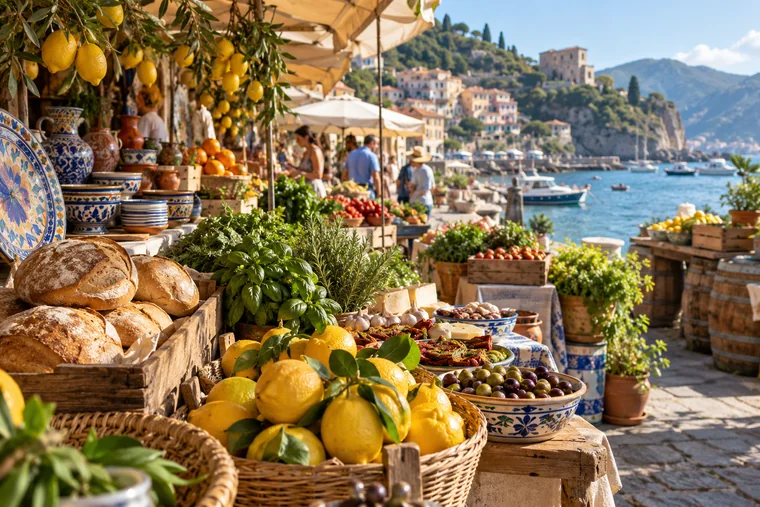
In contrast to the structured precision of Japan, the Spanish approach to gastronomy emphasizes social connection and a relaxed, rhythmic pace. According to the official Spanish tourism portal, the culture of food in Spain is deeply tied to regional identity and the enjoyment of time spent with others. Whether you are navigating the tapas culture of the north or the sit-down traditions of the south, the rhythm is slower. There is less emphasis on rigid etiquette and more on the shared experience of the meal.
Travelers in Spain should embrace the regional variety. From the “Route of the Camellia” in Galicia to the designer wineries across the country, Spanish gastronomy is an invitation to explore local terroir. Unlike the formal, quiet reverence of a Japanese kaiseki meal, Spanish dining is often loud, communal, and extended. The goal is not just to eat, but to participate in the social fabric of the neighborhood.
Navigating Tipping and Customs Logistics
One of the most common sources of traveler anxiety is the question of financial gratuity. Tipping culture varies wildly, and applying one’s home-country habits abroad can sometimes lead to confusion. In Japan, as detailed in the JNTO tipping guide, there is no expectation to tip in restaurants, hotels, or taxis. In fact, tipping is not standard. There is a custom called kokorozuke (coming from the heart) for specific situations, such as when engaging a private guide, but this is a gesture of gratitude rather than a service fee and should be done discreetly in an envelope.
The culinary journey often continues after the flight home, especially if you intend to bring local ingredients back. However, international food regulations are strict. Before you pack that bottle of olive oil or a vacuum-sealed pack of artisanal snacks, consult the U.S. Customs and Border Protection guide. Prohibited and restricted items can lead to delays or confiscation at the border. For more practical advice on managing these souvenirs, see our guide on Bringing Food and Souvenirs Home.
A Strategic Checklist for the Culinary Traveler
To ensure your next food-focused trip remains respectful and stress-free, follow this framework:
- Research before you arrive: Does the destination have a tipping culture? Is there a specific way to handle serving dishes?
- Observe the locals: When in doubt, watch how the people around you interact with their food. Are they eating quickly or lingering? Is the environment formal or casual?
- Check customs regulations: Before purchasing souvenirs, verify if your intended food items are permitted for entry into your home country.
- Respect the craft: Whether it is a formal kaiseki meal or a casual tapas bar, treat the food and the service with the same level of care the chef put into the preparation.
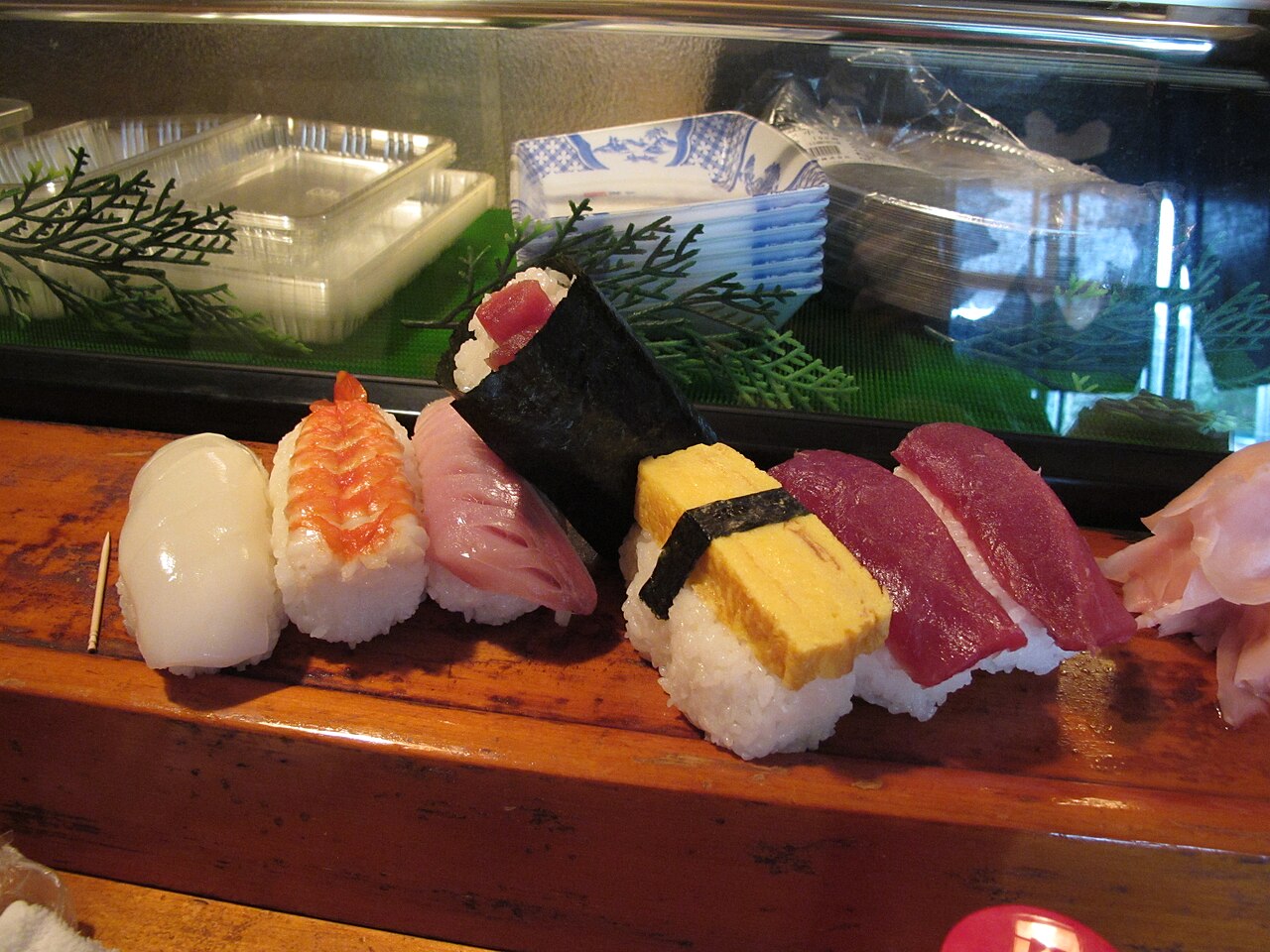
Representative photo: This image illustrates the precise craftsmanship of traditional Japanese cuisine, a key element in understanding the cultural etiquette and reverence described in the article. Photo: Yukihito Ikoma from Okegawa-shi, Saitama, Japan / Wikimedia Commons · CC BY-SA 2.0. Resized for display. Sources checked October 23, 2026.