Note: This is a research-based guide prepared with AI assistance, and no visit or hands-on test was conducted.
As the calendar turns toward late autumn, the traveler faces a unique set of logistical and environmental challenges. Whether you are planning a final wilderness excursion before the deep freeze or navigating the busy transition back to urban transit hubs, the success of your journey hinges on preparation. This season demands a dual focus: maintaining high standards for outdoor ethics while streamlining the complex requirements of modern air travel. By understanding how to adapt your behavior to changing conditions, you can ensure that your late-autumn trip remains restorative rather than taxing.
Principles for Responsible Wilderness Engagement
Late autumn is a period of transition in the natural world. Vegetation is thinning, temperatures are dropping, and many wildlife species are preparing for winter, making human presence more impactful than at other times of the year. Adhering to the Leave No Trace 7 Principles (checked October 24, 2026) is not just a suggestion; it is a vital framework for protecting fragile ecosystems during this vulnerable seasonal shift. Principle 1, “Plan Ahead and Prepare,” is particularly critical when daylight hours are short and weather patterns are unpredictable. Before you depart, checking trail conditions and local regulations ensures you are not caught unprepared by early snow or trail closures.
Furthermore, as you venture into the outdoors, remember that durable surfaces are essential. In late autumn, soil may be saturated or beginning to freeze, making it highly susceptible to erosion. Sticking to established trails is the most effective way to prevent long-term damage to the landscape. For those looking to deepen their understanding of these ethics, the Leave No Trace 101 Course (checked October 24, 2026) provides a comprehensive overview of how human-caused impacts can be cumulative. The course emphasizes that even small, individual actions—like keeping campfires small or packing out every scrap of waste—collectively preserve the environment for future generations.
Wildlife Safety in the Shoulder Season
Wildlife behavior changes significantly as winter approaches. Animals are often more active as they forage for food, and they may be less wary of human presence. The National Park Service, in its guidelines on Watching Wildlife (checked October 24, 2026), stresses the importance of keeping a safe distance. Never feed wild animals, as this disrupts their natural survival instincts and can create dangerous dependencies. Always observe from a distance, using binoculars or a camera zoom rather than attempting a close-up encounter.
Streamlining Transit and Security Logistics
The transition from a rugged wilderness environment to an airport terminal can be jarring. The gear that served you well on the trail—such as multi-tools, trekking poles, or specialty outdoor liquids—can present significant challenges at security checkpoints if not managed correctly. Reviewing current TSA Travel Tips (checked October 24, 2026) is the best way to avoid unnecessary delays. The TSA emphasizes that travelers should start with an empty bag to ensure no prohibited items remain from previous trips. When packing, remember the 3.4-ounce (100 mL) rule for liquids, aerosols, and gels. If you are carrying specialized gear, check the “What Can I Bring?” guidance on the TSA website to determine if items belong in checked or carry-on luggage.
For travelers managing medical conditions, the TSA provides specific support. You are not required to present medication to an officer unless it is in liquid form, but if you have medically necessary liquids exceeding 3.4 ounces, you must notify the officer at the start of the screening process. Being prepared to explain your equipment—whether it is an insulin pump or specialized outdoor gear—can significantly reduce stress and help you navigate the checkpoint efficiently.
Building a Resilient Itinerary
A successful trip requires more than just packing the right gear; it requires a resilient itinerary that accounts for the volatility of late-autumn travel. When designing your plan, consider the intersection of outdoor conditions and transit reliability. Our guide on Weather Windows Are Not Guarantees offers a framework for maintaining flexibility when the climate does not cooperate with your original goals. Similarly, using Transit Geography to Reduce Daily Backtracking allows you to maximize your time, ensuring that your travel days are spent moving efficiently toward your destination rather than navigating unnecessary loops.
Checklist for the Late-Autumn Traveler
- Review Regulations: Check trail and park status for seasonal closures before leaving.
- Pack for Security: Organize carry-on bags to separate electronics and liquids for quick access.
- Wildlife Awareness: Keep a respectful distance; if an animal changes its behavior because of your presence, you are too close.
- Document Check: Ensure all travel documents are accessible offline or in a secure, physical format.
- Flexible Planning: Build in a buffer day for transit, especially if your route involves regional transport that may be affected by early winter storms.
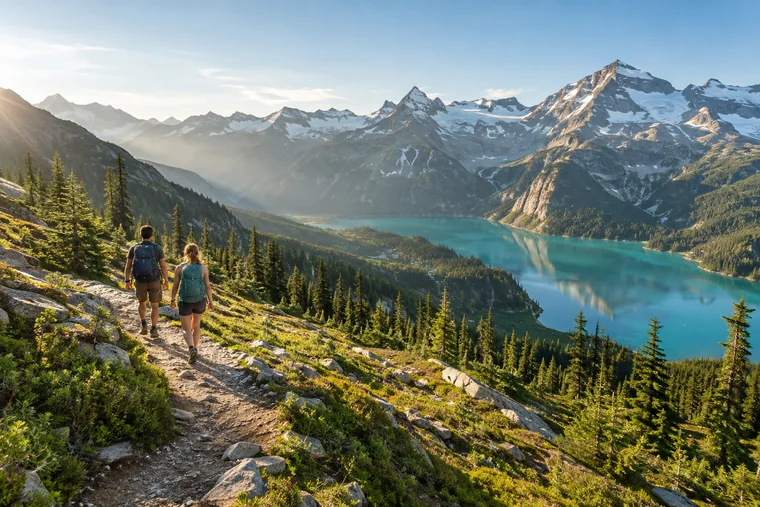
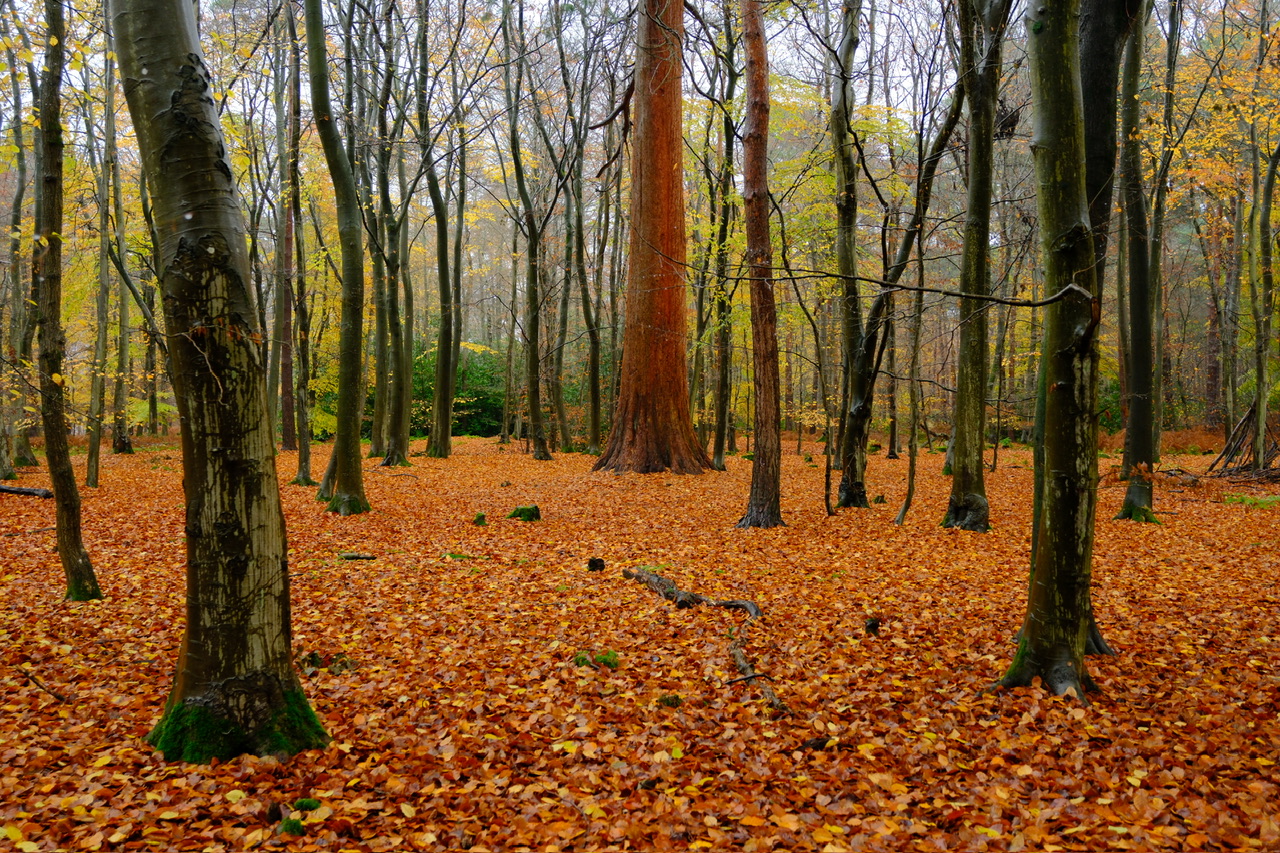
Representative photo. The image illustrates the late-autumn environment discussed in the guide, highlighting the need for careful trail navigation during this transitional season. Photo: Scott Wylie / Wikimedia Commons · CC BY 4.0. Resized for display. Sources checked October 23, 2026.