The transition from October to November is rarely a static event in the travel calendar. As daylight hours shorten and weather patterns become increasingly volatile, the logistics that served you well in the peak of summer or early autumn often require recalibration. Whether you are navigating the complexities of airport security or venturing into thinning forests, this period demands a more proactive approach to planning.
This guide offers a research-based framework for adjusting your travel habits as the season turns, focusing on the intersection of security, environmental stewardship, and itinerary flexibility.
Security Readiness and Transit Efficiency
The late-autumn travel rush requires a disciplined approach to security screening. As passenger volumes fluctuate, the ability to move through checkpoints efficiently is often determined by the preparation completed long before arriving at the terminal. According to the Transportation Security Administration (TSA), accessed on October 23, 2026, the most effective way to ease the screening process is to start with an empty bag. By clearing out pockets and compartments of extraneous items, you reduce the likelihood of carrying prohibited objects through the checkpoint.
For travelers managing medical needs, the transition season can add complexity. The TSA guidelines clarify that while medication in pill or solid form is allowed in unlimited amounts, liquids exceeding 3.4 ounces (100 mL) require specific handling. It is essential to notify officers of medically necessary liquids at the start of the screening process. Furthermore, if you are planning international travel during this period, it is prudent to review entry requirements well in advance; for a deeper dive into this, see our guide on International Connections: Check Entry Documents Before You Book. When disruptions occur, having a contingency plan is vital; refer to Build a Travel Backup Plan You Can Actually Use to ensure you are prepared for unexpected changes in flight schedules or transit availability.
Packing and Screening Best Practices
- The 3.4 Ounce Rule: If a substance can be spilled, spread, sprayed, pumped, or poured and exceeds 3.4 ounces, it must be placed in checked baggage.
- Gift Preparation: If you are traveling with gifts, utilize gift bags rather than wrapping paper, as security officers may need to inspect the contents.
- Medication: You are not required to present medication unless it is in liquid form, but keeping it in your carry-on ensures immediate access.
Wildlife Stewardship in a Changing Landscape
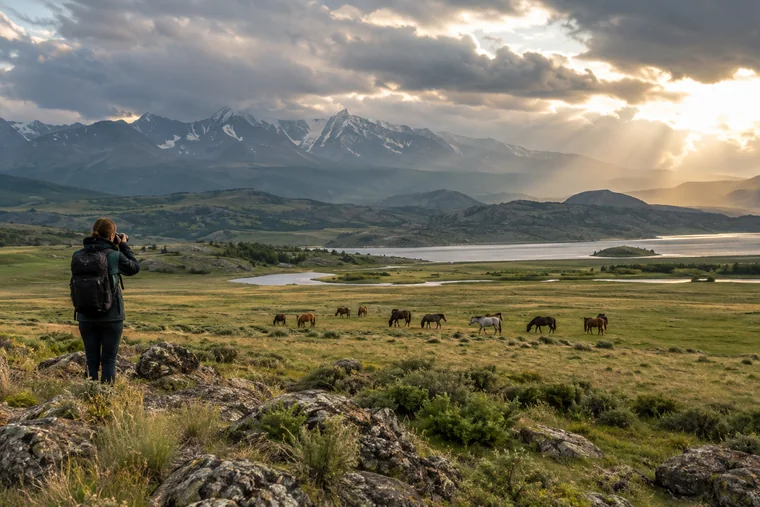
Late autumn is a critical period for wildlife. As temperatures drop, animals are often engaged in final preparations for winter, making human presence in their habitats particularly impactful. The Leave No Trace (LNT) organization, whose principles were reviewed on October 23, 2026, emphasizes that “Respect Wildlife” is a foundational tenet of outdoor ethics. During this season, watching from a distance is not merely a suggestion—it is a necessity for the survival of species that may be stressed by migration or food scarcity.
The LNT framework suggests that travelers should prioritize “Plan Ahead and Prepare.” In late October, this means checking trail conditions specifically for seasonal closures or wildlife activity alerts. If you are planning to explore natural areas, ensure your itinerary accounts for shorter days, which can inadvertently lead to hiking after dark, a time when wildlife is often more active and less visible to humans. Never feed wild animals, as this disrupts natural behaviors and can lead to dangerous human-wildlife interactions.
Key Principles for Seasonal Outdoor Travel
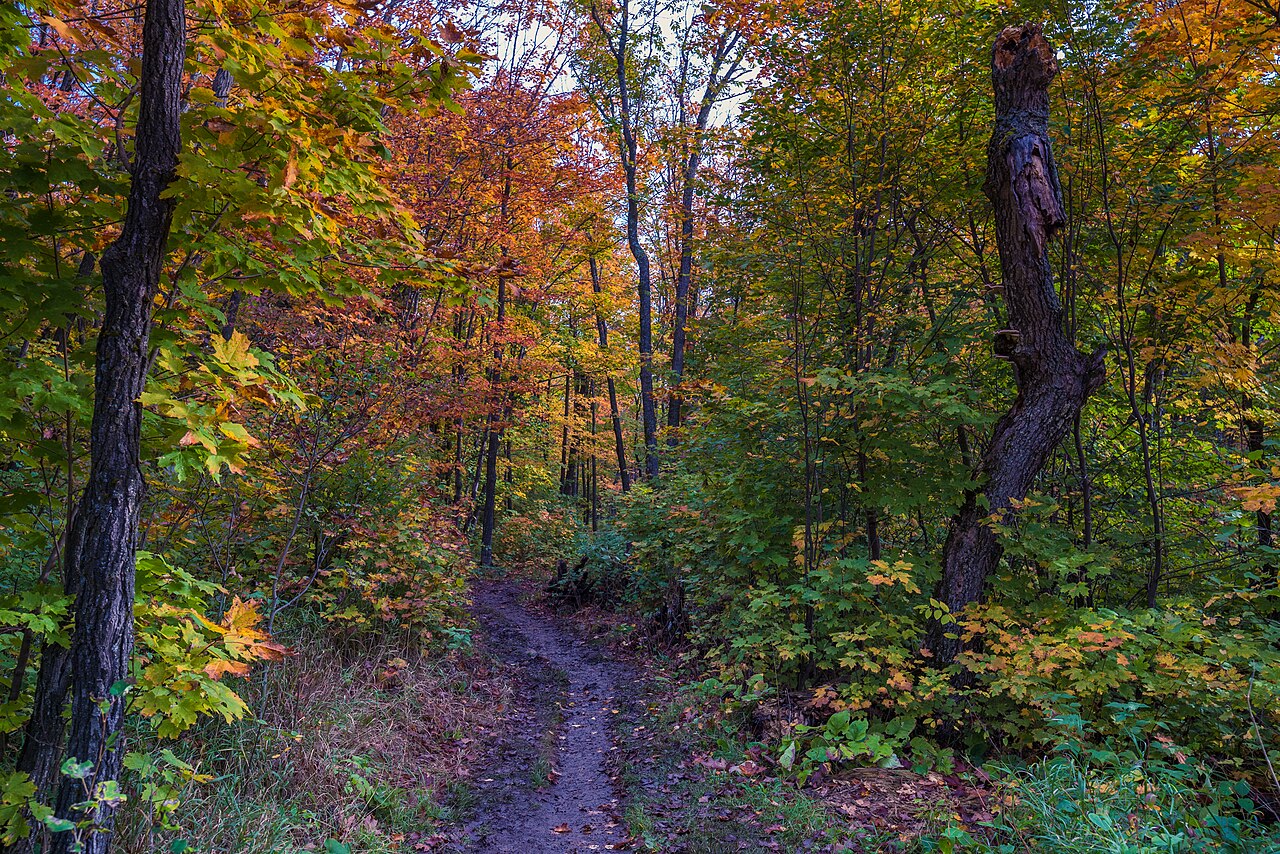
- Travel on Durable Surfaces: Stick to established trails to allow soil and vegetation to recover during the dormant winter months.
- Dispose of Waste Properly: Pack out all food scraps, including biodegradable items, which do not decompose quickly in cold, late-autumn soil.
- Minimize Campfire Impacts: Use stoves for cooking rather than relying on campfires, which can be difficult to manage in dry, windy, or late-season conditions.
The Itinerary as a Living Document
The most resilient itineraries are those that acknowledge the inherent unpredictability of the shoulder season. Moving toward November, weather windows are not guarantees. A rigid, hour-by-hour schedule often breaks under the pressure of a delayed flight or a sudden shift in local weather.
Instead of a static plan, treat your itinerary as a living document. Build in “buffer time”—extra hours during transit days and open blocks in your schedule that can be utilized if weather prevents outdoor activities. This approach reduces the stress of cancellation and allows you to pivot to indoor or lower-impact alternatives without feeling that your trip has been compromised. By combining the rigorous preparation of transit security with the ethical foresight of environmental stewardship, you can create a travel experience that is both smooth and deeply respectful of the places you visit.
Note: This research-based guide was prepared with AI assistance. No visit or hands-on test was conducted for this article.
Representative photo: This scene illustrates the importance of staying on established trails, a key principle of environmental stewardship for late-autumn travelers. Photo: Tony Webster from Minneapolis, Minnesota, United States / Wikimedia Commons · CC BY-SA 2.0. Resized for display. Sources checked October 23, 2026.