This research-based guide was prepared with AI assistance; no visit or hands-on test was conducted.
The period between late October and mid-November represents one of the most volatile stretches in the travel calendar. Often referred to as the shoulder season, this time of year is characterized by a meteorological paradox: while some regions maintain the remnants of autumn, others are already contending with the onset of winter conditions. For the sophisticated traveler, this requires a departure from standard itinerary planning. It is no longer sufficient to rely on seasonal averages; instead, one must adopt a strategy of active risk management, logistical buffering, and heightened attention to environmental shifts.
The Meteorological Shift: Moving Beyond Seasonal Assumptions
The primary error in late-autumn travel is the assumption that weather patterns are consistent across a region. As noted by the National Weather Service (checked: 2026-10-23), even destinations not traditionally associated with harsh winters—such as the southern United States—can be paralyzed by sudden ice and snow. The transition from autumn to winter is rarely linear, and the risk profile of your destination can change in a matter of hours.
Travelers must familiarize themselves with the specific terminology of winter weather alerts. According to Ready.gov (checked: 2026-10-23), a Winter Storm Watch is issued 12 to 48 hours before an event, alerting the public to the possibility of heavy snow or freezing rain. In contrast, a Winter Storm Warning—issued 12 to 24 hours in advance—signifies that hazardous weather is imminent. Understanding this distinction is vital for those planning road-based transit or travel to remote areas. If you are traveling to a destination like Iceland, where the season is particularly dynamic, resources such as Visit Iceland (checked: 2026-10-23) emphasize that while November offers unique opportunities like northern lights and ice caves, these experiences require specific preparation regarding clothing and access. Do not treat a weather forecast as a static guarantee; treat it as a fluid data point that requires daily monitoring.
Packing and Security: Managing the Shoulder-Season Load
The shoulder season necessitates a more complex packing strategy. You are often preparing for the paradox of needing both autumn layers and winter protection, which complicates luggage management. When flying, this transition often leads to issues with Transportation Security Administration (TSA) regulations, particularly regarding liquids and gels. As the weather turns colder, travelers are more likely to pack items like heavy lotions, balms, and specialized creams to combat dry air, all of which fall under the 3.4-ounce (100 mL) rule. According to TSA.gov (checked: 2026-10-23), if you can spill it, spread it, spray it, pump it, or pour it, and it is larger than 3.4 ounces, it must go in a checked bag. This is particularly relevant for those traveling with holiday gifts or specialized skincare products that exceed these limits.
Furthermore, if you are traveling with medical supplies, the transition season is a reminder to keep necessary medications in your carry-on luggage for immediate access. Cold weather can sometimes lead to unexpected travel delays, and you should never rely on checked baggage for critical items. If you are uncertain about specific items, the TSA’s “What Can I Bring?” resource remains the definitive guide for avoiding checkpoint delays. Packing smart begins with an empty bag, ensuring that pockets and compartments do not contain prohibited items from previous, warmer-weather trips.
Designing a Resilient Itinerary for the Transition
The most effective way to manage the late-autumn transition is to build resilience directly into your itinerary. This means acknowledging that arrival and departure days are not merely transit days but integral parts of the journey that require buffer time. As discussed in our guide to Winter Transport Needs More Recovery Time, the unpredictable nature of late-season weather means that transport delays are a statistical likelihood rather than an anomaly. You should avoid scheduling tight connections or critical meetings immediately upon arrival.
Moreover, the documentation required for international travel during this period can be subject to change as countries adjust their entry protocols for the upcoming winter season. Always verify your requirements well in advance, as documented in our International Connections: Check Entry Documents Before You Book guide. By prioritizing safety, preparing for liquid-related packing constraints, and building flexibility into your schedule, you can enjoy the unique character of the shoulder season while minimizing the impact of its inherent risks.
Traveler Checklist for Late-Autumn Transitions
- Monitor Alerts: Sign up for local emergency alerts at your destination, not just your home area.
- Review Liquids: Audit your toiletry bag for heavy moisturizers or seasonal balms that exceed 3.4 ounces.
- Add a Buffer: Schedule a 24-hour buffer in your itinerary to accommodate potential weather-related transit delays.
- Verify Documents: Check the expiration dates of all travel documents and entry requirements at least 30 days before departure.
- Safety Kit: If driving, ensure your rental vehicle or personal car has an emergency supply kit, including warm clothes, blankets, and a flashlight.
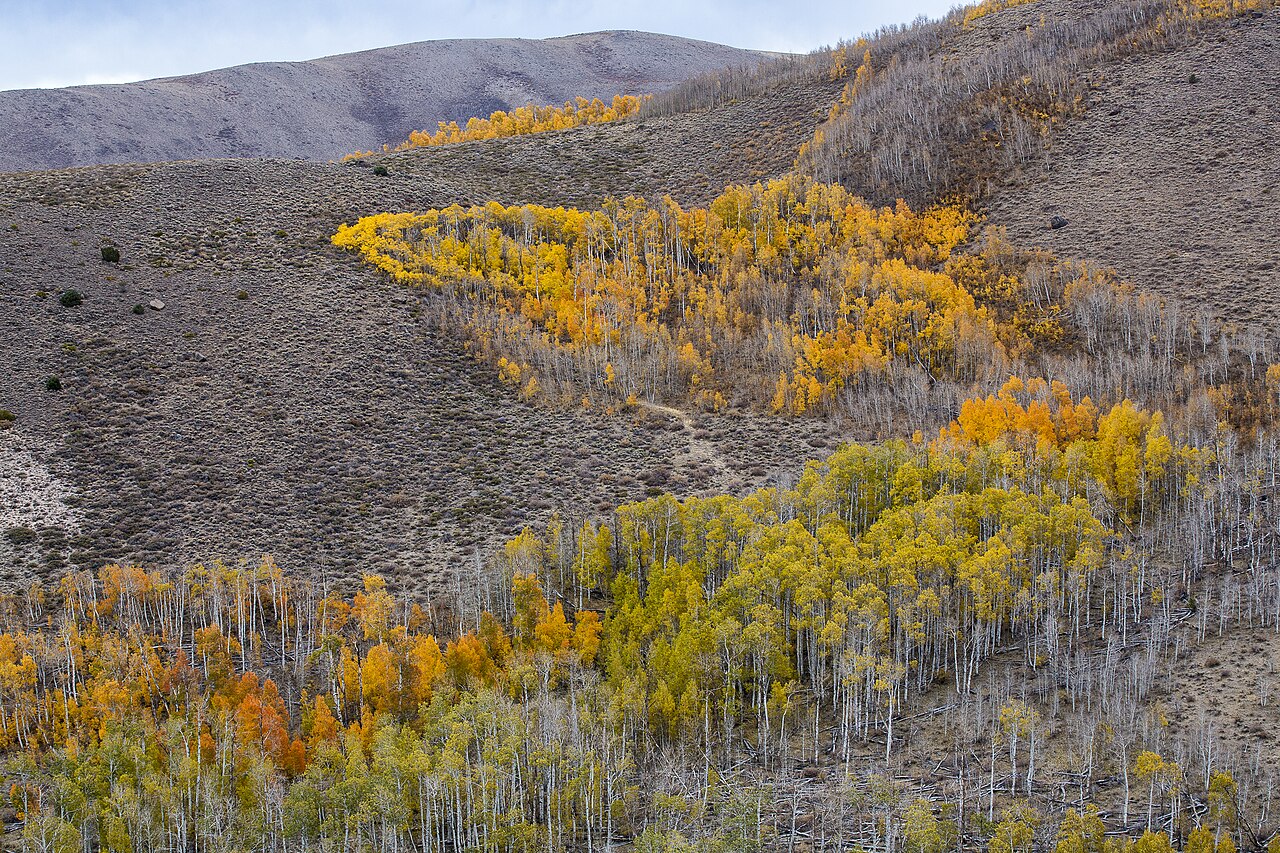
Representative photo: The diverse colors of the landscape highlight the seasonal transition period, reflecting the unpredictable environmental shifts travelers face during the shoulder season. Photo: blmcalifornia / Wikimedia Commons · Public domain. Resized for display. Sources checked October 23, 2026.