Note: This research-based guide was prepared with the assistance of AI. No site visits or hands-on tests were conducted.
As the calendar advances into late October, the nature of global travel experiences a distinct shift. The frantic pace of peak summer and the mild, predictable conditions of early autumn are rapidly giving way to the realities of approaching winter. For the experienced traveler, this transition is not merely a change in wardrobe but a fundamental shift in logistical requirements. Whether you are heading to the alpine regions of Switzerland or the cultural centers of Japan, the logistics of your journey require a careful recalibration. A successful trip during this seasonal pivot relies on proactive preparation, particularly regarding airport security protocols, destination-specific climate awareness, and the hardening of your itinerary against seasonal disruptions.
Navigating the Security Interface in Late Autumn
Winter and late-autumn travel often introduce a unique set of variables at the security checkpoint. As temperatures drop, travelers frequently pack heavier items, thicker layers, and a higher volume of personal care products, such as thicker moisturizers, balms, and ointments to combat dry air. It is critical to remember that the Transportation Security Administration (TSA) regulations regarding liquids, aerosols, and gels remain constant, regardless of the season. All such items packed in carry-on bags must be 3.4 ounces (100 mL) or less.
The common oversight during this period is failing to account for the volume of these personal care items. If you are packing larger containers of skin treatments or specialized gear that contains liquids or gels, these must be placed in checked luggage. Furthermore, if you are traveling with medical liquids, such as prescription eye drops or specialized lotions, these are allowed in reasonable quantities, but you must notify the TSA officer at the start of the screening process. You are not required to place these medically necessary liquids in a zip-top bag, but you must be prepared for the fact that they will undergo additional screening. By starting your packing process with an empty bag, you ensure that no prohibited items are inadvertently carried through the checkpoint, a strategy that is particularly effective when managing the increased volume of seasonal gear.
For those utilizing medical devices like insulin pumps or glucose monitors, the protocol remains consistent: notify the officers of the device’s location before the screening begins. You are not required to remove these devices, but they will be subject to visual inspection, and you may be asked to perform a self-pat-down and a subsequent hand-swab test. Understanding these procedures before you arrive at the airport significantly reduces the stress associated with the transition from the terminal to the gate.
Seasonal Destination Readiness: Switzerland and Japan
Once the transit phase is successfully navigated, the focus must shift to the destination. The transition into colder months changes the accessibility and operational rhythms of many regions. This is where research-based planning becomes essential. According to the Switzerland Tourism planning resources, organizing a holiday in late autumn involves more than just selecting a hotel; it requires a sophisticated awareness of local transport, weather, and the specific nuances of the region. In Switzerland, this means checking current snow reports and slope conditions, even if your itinerary is focused on cities rather than skiing. The climate in Switzerland can shift rapidly, and being prepared for these changes is part of the responsible travel ethos.
Similarly, the Japan National Tourism Organization emphasizes the importance of understanding local customs and etiquette as a foundation for a successful visit. This is particularly relevant when traveling during the transition into winter, when certain cultural experiences, such as onsen (hot spring) visits or temple stays, have specific seasonal etiquette. By reviewing these guides before you depart, you reduce the cognitive load upon arrival, allowing you to focus on the experience rather than the logistics. Whether it is understanding the nuances of local transport or the seasonal availability of specific experiences, the preparation phase is the most effective time to manage these details.
Building a Resilient Itinerary
To ensure your itinerary remains robust against the unpredictability of changing weather and holiday schedules, you must build in buffers. We have previously discussed the importance of winter transport needing more recovery time, as transit delays become more frequent as the season progresses. Do not assume that your summer-speed itinerary will function effectively in late October or November.
Furthermore, you must be cognizant of local calendars. Many regions experience significant closures during the transition into the holiday season. It is vital to ensure that holiday closures belong in the itinerary, rather than being discovered upon arrival. By checking the local calendar for public holidays, festivals, or reduced seasonal hours, you can adjust your expectations and your bookings accordingly.
A Checklist for Pre-Departure Readiness
To synthesize these elements into an actionable plan, use the following checklist in the week leading up to your departure:
- Medical Inventory: Separate all medical supplies. If you have liquids over 3.4 ounces, ensure they are accessible for the TSA screening process.
- Document Verification: Ensure you have a physical or offline digital copy of your itinerary, accommodation details, and emergency contacts. Do not rely solely on cloud-based access, especially when traveling in regions where connectivity may be impacted by weather.
- Device Check: If you use a medical device, ensure it is fully charged and that you have all necessary accessories, such as extra sensors or batteries, packed in your carry-on rather than your checked luggage to ensure immediate access.
- Local Context Check: Review the local weather forecast and public holiday schedule for your destination. If you are traveling to a region like Switzerland, check the current status of the transport routes you intend to use.
- Security Awareness: If you are traveling with gifts, pack them in boxes with removable lids or gift bags to facilitate easy inspection by security officers, should it be required.
By addressing these logistical components—the medical, the security, and the destination-specific context—you create a foundation that allows the actual journey to unfold with significantly less friction. Travel in the late-autumn season is a privilege that rewards those who take the time to prepare for the invisible parts of the trip.
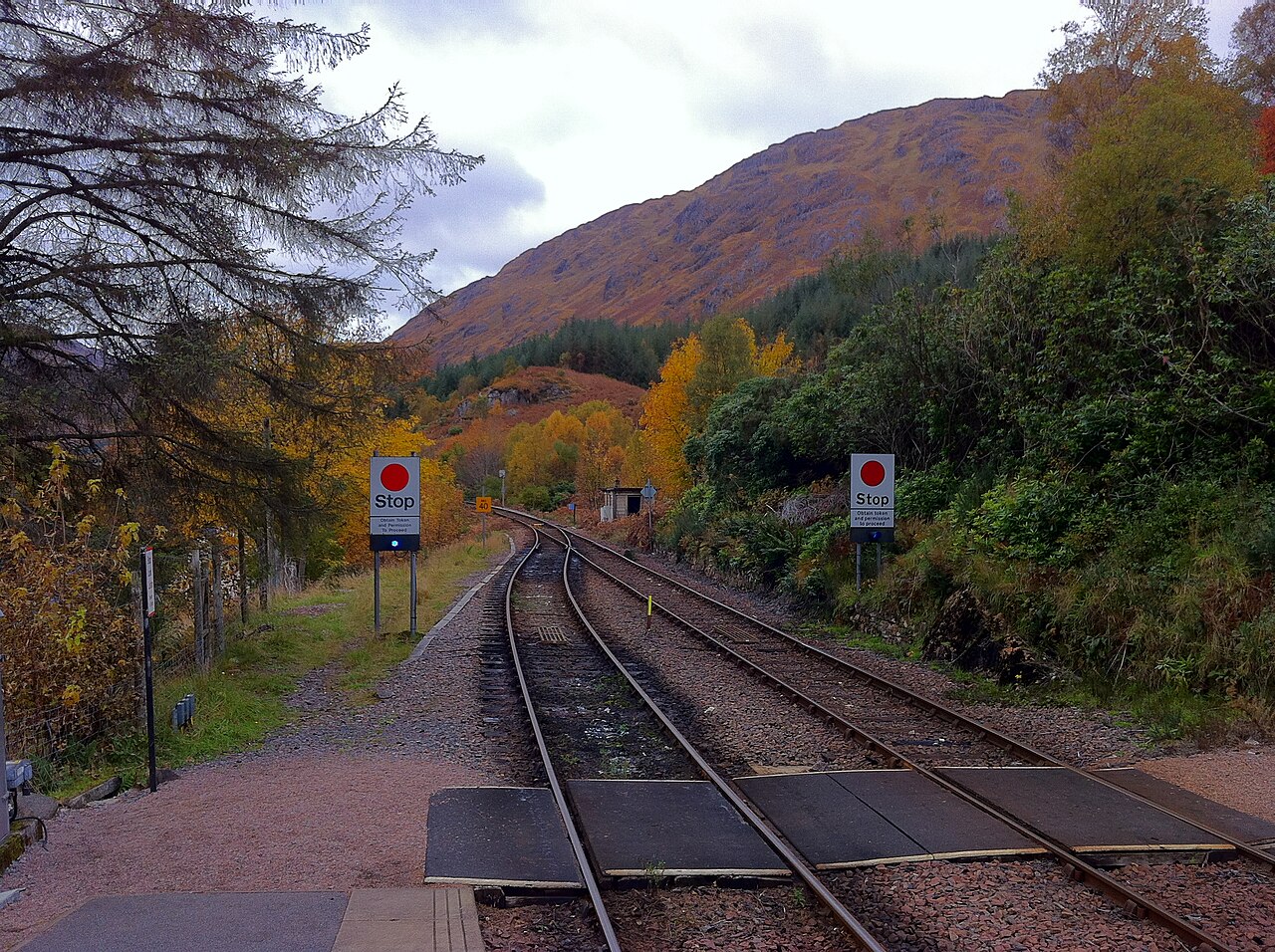
Representative photo showcasing seasonal changes in transit environments during late-autumn journeys. Photo: Andrew Abbott / Wikimedia Commons · CC BY-SA 2.0. Resized for display. Sources checked October 23, 2026.