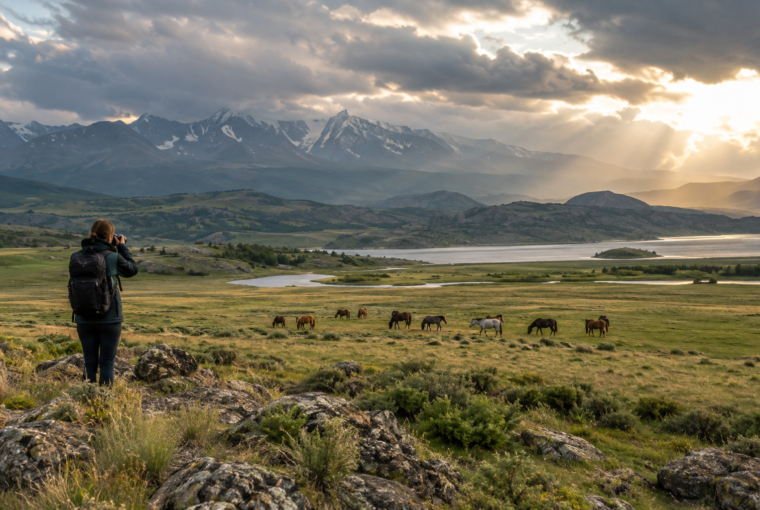
The camera had been sitting in my bag for months. Moving from a familiar DSLR to a mirrorless system felt less like an upgrade than learning photography again: a new focusing system, a different balance in the hand and more technology between instinct and the shutter.
A long-imagined trip to photograph bears in Alaska finally gave me the time and reason to trust it. The journey was never only about equipment. It was about preparation, patience and what happens when weather changes the plan.
When the itinerary changed
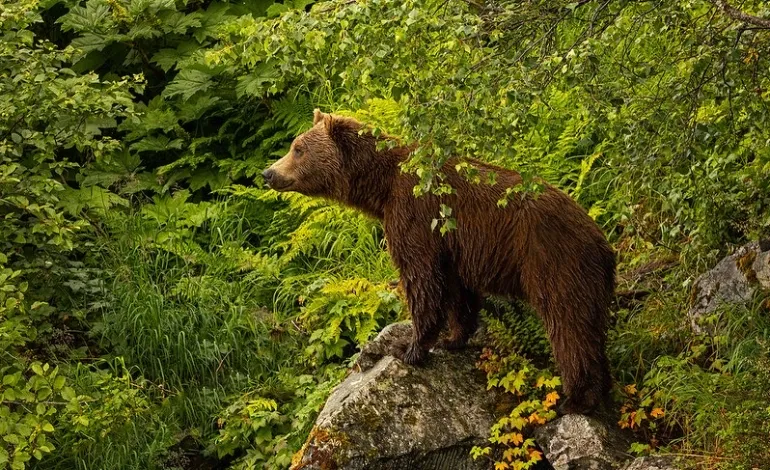
Our first location was lost to weather, so the day shifted to a crowded lagoon. Rain came and went, the boat moved underfoot and fishing lines complicated every angle. Then a bear entered the water. When it rose and shook the rain from its coat, a brief opening appeared and the focus held on the eye.
The technology worked, but it could not choose the composition, anticipate the movement or recognize the soft light touching the animal. Those decisions came from years of practice and from arriving with a clear idea of the image I hoped to make.
Preparation creates the moment
The photograph began long before Alaska. It began with learning behavior, understanding exposure and practicing until the camera controls stopped competing with attention. When the elements finally aligned, I was ready to respond.
Wildlife photography also carries responsibility. Follow the guidance of local operators and land managers, keep a safe distance and never pressure an animal for a picture. The encounter matters only if the bear remains free to behave naturally.
The tool and the traveler
A camera can track an eye and record a burst of frames, but it cannot replace curiosity or judgment. That wet, difficult day reminded me why photographers travel: not for certainty, but for the possibility that light, place, preparation and an unforgettable subject may come together for a fraction of a second.